
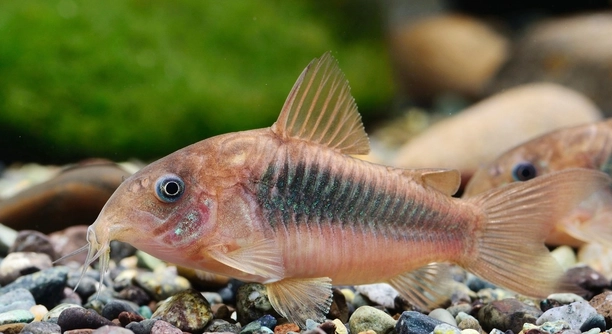
Corydoras catfish are popular in aquariums due to their calm nature and engaging behavior. However, it can be concerning when they avoid the heater side of the tank, which may signal underlying factors affecting their comfort and well-being.
The primary reasons for this avoidance may include water temperature fluctuations, inadequate tank setup, or even potential stressors such as water quality, tankmates, or tank lighting. Corydoras are sensitive to changes and may prefer more stable conditions away from the heater.
Understanding the various reasons for this behavior can help maintain a healthy environment for your catfish. Let’s explore the factors contributing to this behavior and how to create a better tank setup for your Corydoras.
Temperature Sensitivity
Corydoras catfish are sensitive to temperature changes, and their preference for water that is neither too warm nor too cold is critical for their well-being. They thrive in stable environments with a temperature range between 72°F to 78°F. If the heater is set too high or too low, your catfish may actively avoid the area. Constant fluctuations in water temperature can cause stress and even health issues for these fish. It is important to monitor the water temperature regularly and ensure that it remains consistent.
Water temperature directly impacts your Corydoras’ behavior, especially in aquarium setups with fluctuating conditions. If the heater is malfunctioning or placed near a water intake, it can create uneven heat distribution. This inconsistency forces the catfish to seek cooler areas away from the heater.
To provide a better experience for your catfish, consider investing in a reliable aquarium heater with an automatic shut-off feature. You can also use a thermometer to regularly monitor temperature levels, keeping your fish comfortable and stress-free.
Poor Water Quality
Poor water quality is a significant factor that can lead to your Corydoras avoiding the heater side of the tank. These fish are particularly sensitive to changes in water parameters, such as pH levels, ammonia, and nitrate concentrations. When the water is not properly filtered or maintained, it can lead to poor health, causing your catfish to seek out areas in the tank that feel safer or more comfortable.
Corydoras are bottom-dwelling fish that often interact with substrate and detritus, meaning that the water near the bottom of the tank can accumulate toxins. As a result, they may avoid certain areas, including the heater side, where the water quality may be worse. Routine water changes are essential for maintaining a healthy environment for your fish.
Regularly testing your water for ammonia, nitrite, nitrate, and pH levels will help ensure the optimal conditions for your Corydoras. Make sure to clean the tank’s filter and replace it when necessary to keep the water pristine.
Tankmates and Social Behavior
Corydoras catfish are peaceful fish and can be sensitive to the behavior of their tankmates. Aggressive fish may cause stress, prompting the Corydoras to avoid certain areas, such as near the heater. This behavior may be more noticeable in tanks with overly active or territorial fish that disrupt the peace.
If your tank has fast-moving or aggressive species, the Corydoras may retreat to cooler, quieter areas of the tank. They tend to stay out of the way when they feel threatened, which can explain their avoidance of high-traffic zones near the heater. Choosing peaceful tankmates is essential to maintaining a calm environment.
A good way to ensure a peaceful setup is by researching compatible species. Corydoras do well with other calm fish like tetras or small gouramis. By selecting the right tankmates, you’ll minimize stress and provide a comfortable environment for your catfish.
Tank Setup and Space
The overall layout of the tank can also play a role in your Corydoras’ behavior. If the tank is overcrowded or lacks hiding spots, the fish may feel vulnerable, leading them to avoid certain areas, including the heater side. Proper tank space is crucial for ensuring all fish have enough room to thrive.
When setting up your aquarium, aim to provide plenty of swimming space and hiding places. Corydoras appreciate a well-planted tank with smooth substrate where they can forage for food. Adding rocks, plants, and other structures not only enriches their environment but also gives them the comfort they need to feel secure.
In overcrowded tanks, Corydoras are likely to become stressed, especially if they can’t find an escape from other fish. Providing ample space for each fish to establish its own territory can reduce stress and encourage natural behaviors.
Lighting and Darkness
Corydoras catfish are nocturnal by nature and prefer dim lighting. Bright aquarium lights may make them feel exposed and vulnerable. They will likely avoid areas with excessive light, such as near the heater, seeking darker regions of the tank to feel more secure.
Dim lighting creates a more natural environment for your Corydoras, encouraging them to explore the tank comfortably. If the heater side is brightly lit, it could disrupt their activity and cause them to avoid the area. Adjusting the lighting to a lower intensity will help them feel safer and more at ease.
To keep your Corydoras happy, consider using aquarium lights with a dimming function or setting a day-night cycle with natural light. Avoid leaving lights on for too long to maintain a balanced atmosphere in your tank.
Feeding and Foraging
Corydoras catfish are bottom feeders and spend a lot of time foraging for food. If they are not getting enough to eat in the area near the heater, they may choose to avoid it in favor of spots where food is more readily available. Ensuring proper feeding is key to keeping your fish content.
Providing a varied diet of sinking pellets, frozen foods, and small live offerings helps keep your Corydoras healthy and encourages them to stay active. In a tank where food sinks to the bottom or accumulates in one area, Corydoras will naturally gravitate towards it.
Make sure you distribute food evenly across the substrate to prevent overcrowding in specific areas. This ensures that each fish has access to enough food and helps avoid territorial disputes.
FAQ
Why is my Corydoras catfish avoiding the heater?
Corydoras catfish avoid the heater when the temperature is too high or fluctuating. These fish prefer stable, moderate temperatures between 72°F and 78°F. If the water near the heater is too warm or there are significant temperature differences in the tank, they may seek cooler areas to feel more comfortable. Additionally, if the heater is malfunctioning or not evenly distributing heat, Corydoras may avoid the area due to discomfort.
How can I adjust my tank temperature for Corydoras?
To ensure the optimal temperature for your Corydoras, invest in a quality aquarium heater with a thermostat to maintain consistency. Regularly monitor the water temperature with a thermometer to ensure it stays between 72°F and 78°F. Avoid placing the heater near strong water currents or intake filters, as these can lead to uneven heating. Ensure that the aquarium’s temperature is stable to reduce stress on your fish.
Do Corydoras like high or low lighting?
Corydoras are naturally nocturnal and prefer low lighting conditions. Bright lights can stress them out, making them feel exposed. If your tank has intense lighting near the heater side, your Corydoras may avoid that area. To accommodate their preferences, reduce the brightness or provide dim lighting, especially during the night, to make them feel more secure.
How often should I change the water for my Corydoras tank?
Regular water changes are essential to maintaining good water quality. For Corydoras, aim to perform a 25-30% water change every 1-2 weeks, depending on tank size and fish load. This helps maintain healthy water parameters and reduces the risk of toxins, such as ammonia and nitrites, which could stress your Corydoras. Always test the water regularly to check pH, ammonia, nitrites, and nitrates before performing water changes.
Can Corydoras tolerate other fish in the same tank?
Yes, Corydoras are peaceful and social fish that generally do well with other calm, non-aggressive species. However, they should be kept with tankmates that don’t disturb them or outcompete them for food. Avoid keeping them with large, territorial fish that may chase or nip at them. Suitable companions include other peaceful fish such as tetras, small gouramis, and peaceful barbs.
What is the ideal substrate for Corydoras?
Corydoras catfish prefer soft, smooth substrate, such as fine gravel, sand, or soft soil. Sharp or rough gravel can injure their delicate barbels, which they use to forage on the tank floor. Sand is a good choice because it allows the catfish to sift through the substrate without damaging their barbels, and it also mimics their natural environment. Ensure the substrate is clean and doesn’t trap waste, as this can lead to poor water quality.
Do Corydoras need hiding places?
Yes, Corydoras enjoy having hiding spots in their tank. Providing plenty of plants, rocks, and caves allows them to retreat when they feel stressed or threatened. They are bottom-dwellers and appreciate areas where they can feel safe while foraging. These hiding spots also help maintain their sense of security and contribute to their overall well-being.
What should I feed my Corydoras?
Corydoras are omnivores and will happily eat a variety of foods. Their diet should include sinking pellets, frozen foods (such as bloodworms and brine shrimp), and occasional live food. You can also offer blanched vegetables like zucchini or spinach. Make sure to provide food that sinks to the bottom of the tank, as Corydoras feed on the tank floor. It is important to avoid overfeeding, as this can lead to poor water quality.
How can I prevent stress in my Corydoras?
To reduce stress in Corydoras, maintain stable water conditions with regular water changes, proper filtration, and a consistent temperature. Avoid sudden changes in water parameters or tank setup, as Corydoras are sensitive to stress. Keep them in groups of at least three, as they are social fish and feel safer in the company of others. Also, make sure there are no aggressive or fast-moving fish in the tank that could disturb them.
Why does my Corydoras stay near the bottom of the tank?
Corydoras catfish are bottom-dwelling fish and naturally prefer to stay near the substrate. This behavior is normal, as they forage for food on the tank floor. They may also stay near the bottom for safety, as they feel more secure there. If your Corydoras spends a lot of time near the bottom, it is likely just their natural behavior, unless there are other factors causing them distress.
Is it safe to add live plants to a Corydoras tank?
Yes, adding live plants to a Corydoras tank is beneficial for both the fish and the environment. Plants provide hiding places, help improve water quality, and create a more natural habitat. Corydoras enjoy foraging in planted areas, where they can search for food and interact with the environment. Make sure to choose plants that are easy to care for and compatible with the water parameters in your tank.
How do I know if my Corydoras is stressed?
Stressed Corydoras may display signs such as erratic swimming, hiding more than usual, or avoiding certain areas of the tank. They may also stop eating or show abnormal behavior, such as darting or scraping against surfaces. If you notice these signs, it’s important to check the water parameters, ensure the tank is set up correctly, and confirm that there are no stressors, such as aggressive tankmates or high light levels.
Final Thoughts
Corydoras catfish are peaceful, social fish that thrive in a stable and well-maintained tank environment. By understanding their needs, such as their preference for dim lighting, specific water temperatures, and bottom-feeding habits, you can create a comfortable home for them. If your Corydoras are avoiding the heater side of the tank, it’s important to consider factors such as water temperature, lighting, and food availability. Making small adjustments to these conditions can improve their overall well-being and reduce stress.
Remember to monitor water quality regularly and keep the tank clean. Regular water changes and proper filtration are essential for maintaining healthy conditions. Corydoras are sensitive to poor water quality, and even slight imbalances in ammonia, nitrites, or nitrates can cause distress. Ensuring proper tank maintenance is crucial for keeping your Corydoras happy and healthy. You should also be mindful of their tankmates, choosing peaceful species that won’t disturb the Corydoras’ natural behaviors. Keeping them in groups of at least three will also help them feel more secure.
Overall, Corydoras catfish are hardy and easy to care for once their basic needs are met. They are not only great for beginners but also an enjoyable addition to any tank due to their calm nature and bottom-dwelling habits. By providing a suitable environment with stable water conditions, the right substrate, and proper lighting, you can ensure your Corydoras remain active and healthy. If you observe them avoiding the heater or showing other signs of stress, taking a closer look at their surroundings and making small adjustments will help them thrive.

Hello,
If you enjoy the content that we create, please consider saying a "Thank You!" by leaving a tip.
Every little bit helps us continue crafting quality advice that supports the health, happiness, and well-being of pets around the world, for pets of all shapes, sizes, and species.
We really appreciate the kindness and support that you show us!