
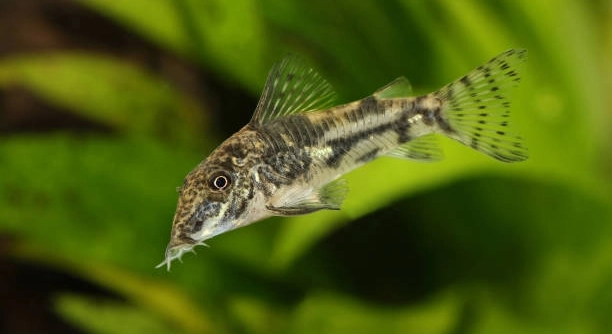
Corydoras catfish are popular aquarium fish known for their peaceful nature and playful behavior. However, if you notice your fish pacing back and forth, it could be a sign of something affecting their well-being.
The primary reason for your Corydoras catfish pacing back and forth is often stress or discomfort. Possible causes can include poor water quality, insufficient space, or issues with tank mates. Understanding these factors is crucial to ensuring your fish’s health.
Several factors contribute to this behavior, and addressing them can help your catfish feel more at ease. By identifying the root cause, you’ll be able to improve their environment and restore their comfort.
Poor Water Quality
Water quality is one of the most common reasons for Corydoras catfish pacing. These fish are highly sensitive to changes in water conditions. Elevated levels of ammonia, nitrites, or nitrates can lead to stress. It’s important to regularly test your water and perform water changes to maintain a healthy environment.
Maintaining clean water is vital for their well-being. Regular testing can identify harmful substances before they become problematic. Consistently good water quality ensures your fish stay happy and healthy.
If water quality isn’t addressed, Corydoras catfish can experience respiratory issues, weakened immune systems, or even premature death. Keeping the tank clean and balanced is essential to prevent these issues from arising.
Tank Size
Corydoras catfish need plenty of space to move around and explore. If they are in a tank that’s too small, they may feel restricted and stressed. A crowded tank with limited hiding spots can lead to constant pacing.
To keep your Corydoras comfortable, provide them with enough room to swim freely. A tank size of at least 20 gallons is recommended for a small group of catfish. Larger tanks are always better, as they help reduce stress and allow the fish to establish territories.
With proper space, these fish can maintain natural behaviors and avoid pacing. Ensuring they have enough space allows them to feel secure and safe, reducing unnecessary stress.
Temperature Fluctuations
Temperature changes can stress Corydoras catfish, causing them to pace. These fish thrive in stable environments, typically between 72°F and 78°F. If the temperature fluctuates too much, it can lead to discomfort and erratic behavior.
Rapid changes in temperature often occur due to inconsistent heating or poor tank placement. Keep heaters set to a consistent level and avoid placing the tank near windows or heaters that may affect the water temperature. Using a thermometer can help monitor fluctuations.
Even minor temperature swings can lead to stress in Corydoras catfish. Maintaining a steady environment prevents them from becoming overly stressed or disoriented. A stable temperature not only helps reduce pacing but also contributes to their overall health and vitality.
Overcrowded Tank
An overcrowded tank can cause Corydoras catfish to pace, as they are territorial by nature. When too many fish are in a small space, aggression or competition for resources can cause distress. Overcrowding can also result in poor water quality, further increasing stress levels.
To prevent overcrowding, keep an eye on the number of fish in the tank. It’s best to follow the guideline of one inch of fish per gallon, allowing each fish enough room to swim and establish space. Adequate filtration also helps to maintain the water quality.
Proper stocking ensures that your Corydoras feel secure and reduces stress from competition. When the tank isn’t overcrowded, your catfish can move freely, interact peacefully with their tank mates, and enjoy a healthier, less stressful environment.
Poor Tank Mates
Corydoras catfish may pace if they’re kept with aggressive or overly active tank mates. Stress from being harassed can lead to constant movement around the tank. This behavior is often a sign of feeling unsafe or threatened.
If tank mates are too aggressive, it may be time to rearrange your aquarium. Opt for peaceful species that won’t provoke your Corydoras. A harmonious tank reduces stress and allows your catfish to swim peacefully without constant pacing.
Lack of Hiding Spots
Corydoras catfish prefer to have places to hide when they feel stressed. If they don’t have adequate hiding spots, they might pace due to a lack of security. Adding decorations like plants or caves can help.
Providing multiple hiding spots gives your catfish a place to retreat and feel safe. When they have access to these spaces, they are less likely to pace. Be sure to add plants and decorations that allow your fish to feel secure, especially if they are skittish.
Hunger or Feeding Schedule
If Corydoras catfish are not being fed regularly or are not receiving enough food, they may start pacing. These fish are often looking for food when they feel hungry or expect feeding times.
Ensure that you feed your Corydoras enough food at regular intervals. Overfeeding can also lead to water quality issues, so it’s important to maintain a balanced feeding schedule. When well-fed, your catfish are more likely to remain calm and less prone to pacing behavior.
FAQ
Why is my Corydoras catfish swimming erratically?
Erratic swimming in Corydoras catfish could be a sign of stress, water quality issues, or an overcrowded tank. If the water parameters are off, such as high ammonia or fluctuating temperatures, it can cause disorientation. Similarly, if there are too many fish in the tank, your catfish may feel overwhelmed and exhibit erratic swimming. Ensure the water is clean, the temperature is stable, and the tank isn’t overcrowded to help calm your fish.
How do I know if my Corydoras catfish is stressed?
Stressed Corydoras catfish often show signs such as pacing, hiding more than usual, or swimming frantically around the tank. You may also notice changes in their eating habits or aggression from other fish. Poor water quality, unsuitable tank mates, or environmental factors can contribute to stress. If you see these signs, assess the water conditions, check for proper tank mates, and ensure the tank is not overcrowded.
Can Corydoras catfish live alone?
Corydoras catfish are social creatures and prefer to live in groups. Keeping them alone can lead to loneliness and stress, resulting in pacing or other abnormal behaviors. It’s best to have at least three or four Corydoras in the same tank to provide them with companionship and reduce the likelihood of stress-related behaviors.
How often should I feed my Corydoras catfish?
Corydoras catfish should be fed once or twice a day. Offer small amounts of food they can consume in a few minutes, ensuring that they are not overfed. Overfeeding can lead to poor water quality, so always remove any uneaten food. A balanced diet of high-quality pellets, frozen foods, or live food will keep your catfish healthy and reduce hunger-induced pacing.
Is my Corydoras catfish pacing because it’s bored?
While Corydoras catfish are not as playful as some other species, they do enjoy exploring their environment. Pacing could be a sign that the tank does not offer enough stimulation, such as hiding places or areas to forage. Adding plants, caves, or decorations will give your catfish more opportunities to explore, which can reduce pacing behavior.
Can water temperature affect my Corydoras catfish’s behavior?
Yes, Corydoras catfish are sensitive to water temperature fluctuations. If the temperature is too high or low, they may become stressed and exhibit pacing or erratic behavior. It’s essential to maintain a stable water temperature between 72°F and 78°F. Invest in a reliable heater and thermometer to keep the temperature consistent, avoiding large fluctuations.
How do I reduce aggression in my Corydoras catfish tank?
Aggression in a Corydoras catfish tank can often be due to incompatible tank mates. Avoid keeping them with overly aggressive fish, as this can cause stress and pacing. Opt for peaceful community fish, and ensure there are plenty of hiding places. If aggression is observed, consider removing the problematic fish or rehoming them to prevent harm to your Corydoras.
Do Corydoras catfish need a filter?
Yes, Corydoras catfish need a filter to maintain good water quality. These fish are sensitive to poor water conditions, so a filter helps remove excess waste and keeps the water clean. Ensure the filter is gentle enough not to create strong currents, as Corydoras prefer calm water.
How can I tell if my Corydoras catfish is healthy?
A healthy Corydoras catfish will have clear eyes, smooth scales, and active behavior. It should swim freely and show interest in food during feeding times. If your catfish is frequently hiding, has visible signs of illness like discolored patches or lesions, or refuses to eat, it may be unwell and require attention.
Can Corydoras catfish breed in an aquarium?
Yes, Corydoras catfish can breed in an aquarium. To encourage breeding, ensure the water quality is excellent, and the temperature is stable. Corydoras prefer to spawn in groups, and providing a substrate for eggs, like fine gravel or plants, will help. After spawning, the parents should be removed to prevent them from eating the eggs.
Final Thoughts
Understanding why your Corydoras catfish is pacing back and forth can help you create a healthier environment for your fish. Stress from various factors such as poor water quality, overcrowding, or inappropriate tank mates can cause this behavior. By observing the conditions in the tank and making adjustments, you can reduce stress and improve your catfish’s well-being. Regular maintenance, such as cleaning the tank and checking water parameters, is essential for ensuring your fish stay comfortable and healthy. It’s important to provide a stable and peaceful environment for your Corydoras to thrive.
Making sure your Corydoras has enough space and proper tank mates will also contribute to its comfort. These fish prefer living in groups, so keeping at least three or four in the same tank will help them feel secure and less likely to exhibit pacing behavior. If your catfish seems to be pacing due to aggression from other tank mates, consider rehoming aggressive fish or adding more hiding spots for your Corydoras to escape to. A variety of plants and decorations can help reduce stress and make the environment feel more natural for your fish.
Lastly, attention to diet and feeding routines is vital for your Corydoras’ health. A well-fed fish is less likely to pace, so stick to a regular feeding schedule with balanced meals. Avoid overfeeding, as this can lead to water quality issues, which could stress your fish further. By providing a stable environment, compatible tank mates, and proper care, you can ensure your Corydoras catfish remains happy, healthy, and free from unnecessary stress.

Hello,
If you enjoy the content that we create, please consider saying a "Thank You!" by leaving a tip.
Every little bit helps us continue crafting quality advice that supports the health, happiness, and well-being of pets around the world, for pets of all shapes, sizes, and species.
We really appreciate the kindness and support that you show us!