
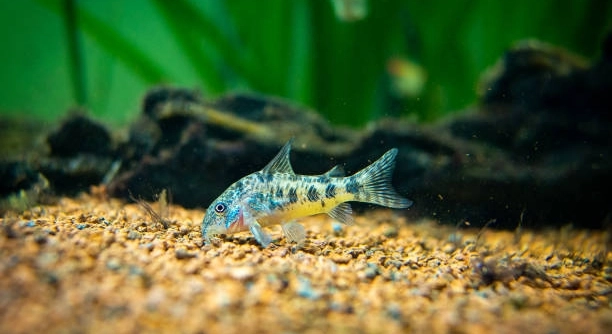
Corydoras catfish are popular pets known for their peaceful nature and hardy temperament. However, various factors can impact their lifespan and health. Understanding these factors can help ensure your fish live longer, happier lives.
Several factors can shorten a Corydoras catfish’s lifespan, including poor water quality, overfeeding, inadequate tank conditions, and stress from tank mates. These elements negatively affect their overall well-being, making it important to maintain proper care to promote longevity.
Taking proper care of your catfish involves understanding their specific needs. With the right environment and attention, you can help them thrive for years to come.
Poor Water Quality
Maintaining clean water is crucial for the health of your Corydoras catfish. These fish are sensitive to water conditions, and poor water quality can significantly reduce their lifespan. Ammonia, nitrites, and high levels of nitrates can quickly build up in the tank and lead to serious health problems. This is why regular water changes and monitoring water parameters are so important.
Testing the water for ammonia, nitrites, and nitrates will help you keep the levels safe. Water changes should be done weekly or bi-weekly, depending on your tank size and fish load. Using a reliable filtration system can also help remove toxins from the water and provide a more stable environment for your fish.
Additionally, be mindful of temperature fluctuations. Corydoras catfish prefer a stable water temperature, typically between 72°F to 78°F. Sudden changes can stress your fish, weakening their immune system and leaving them vulnerable to illness. Keeping the water clean and stable is one of the easiest ways to ensure your Corydoras live a long, healthy life.
Overfeeding
Overfeeding can cause serious issues for your Corydoras catfish. Excess food will decay in the tank, leading to poor water quality.
Feeding them only what they can consume in a few minutes, once or twice a day, will prevent leftover food from polluting the water. This also reduces the risk of obesity and digestive issues in your fish.
Inadequate Tank Size
An overcrowded tank can lead to stress and poor health in Corydoras catfish. It’s essential to provide them with enough space to swim and explore.
Corydoras are small, but they still need plenty of room to feel comfortable. A tank that’s too small will create cramped conditions, causing stress that weakens their immune system. Over time, this can shorten their lifespan.
A 20-gallon tank is a good minimum size for a small group of Corydoras. If you keep multiple fish, consider a larger tank to maintain water quality and reduce stress. Adding hiding spots and plants can also help create a more natural, less stressful environment for your catfish.
Stress from Tank Mates
Corydoras catfish are peaceful fish, but stress from aggressive tank mates can significantly impact their health. It’s essential to choose compatible tank mates to avoid aggression.
Aggressive fish can chase or bully Corydoras, causing stress that weakens their immune system and can lead to illness. The constant threat of aggression can also reduce their appetite, further contributing to health issues. To avoid this, it’s best to keep them with peaceful species.
If you notice signs of stress, such as hiding, loss of color, or decreased activity, it might be a sign that your Corydoras are not getting along with their tank mates. A peaceful tank environment promotes long-term health and increases the chances of a longer lifespan.
Poor Diet
Corydoras catfish need a varied and balanced diet to stay healthy. Feeding them the wrong foods can lead to nutritional deficiencies and a shorter lifespan.
A good diet for Corydoras includes high-quality sinking pellets, frozen or live foods like bloodworms or brine shrimp, and occasional vegetables like cucumber. Offering a variety ensures they get all the nutrients they need.
Over-reliance on one type of food, especially flake food, can lead to health problems. This lack of variety may cause your catfish to become malnourished, impacting their immune system and reducing their overall lifespan.
Inconsistent Water Temperature
Corydoras catfish are sensitive to temperature changes. Fluctuations can cause stress, making them more prone to disease. Keeping a stable water temperature is essential for their well-being.
Maintaining a consistent temperature between 72°F to 78°F is ideal for Corydoras. Any sudden changes in temperature can weaken their immune system, leaving them vulnerable to illness. Using an aquarium heater with a thermometer can help regulate the temperature, ensuring it stays within the safe range.
Inadequate Filtration
A good filtration system is essential for maintaining water quality. Corydoras catfish are bottom dwellers and often stir up debris, so having a strong filter helps keep the tank clean. A filter also maintains proper oxygen levels, benefiting the overall health of your fish.
FAQ
How often should I change the water in my Corydoras catfish tank?
Water changes should be done at least once a week, or more often depending on the tank size and the number of fish. Regular water changes help maintain good water quality, preventing harmful toxins from building up. A 25-30% water change is usually sufficient to keep the water fresh.
Can Corydoras catfish live with other fish?
Yes, Corydoras catfish are peaceful and can live with most other peaceful species. They do well with other community fish, like tetras, guppies, and mollies. However, they should not be kept with aggressive fish, as stress from bullying can harm them.
What is the ideal tank size for Corydoras catfish?
A minimum tank size of 20 gallons is recommended for a small group of Corydoras. If you have more fish or larger species, you will need a larger tank to ensure there’s enough space for everyone. Keeping the tank size appropriate will help prevent overcrowding and stress.
What temperature do Corydoras catfish prefer?
Corydoras catfish prefer a water temperature between 72°F and 78°F (22°C to 25°C). Sudden fluctuations in temperature can cause stress and weaken their immune system. It’s important to maintain a stable temperature using an aquarium heater and thermometer.
What should I feed my Corydoras catfish?
Corydoras catfish should be fed a variety of foods, including high-quality sinking pellets, live or frozen foods like bloodworms and brine shrimp, and occasional vegetables like cucumber or zucchini. Offering a balanced and varied diet will help keep them healthy and active.
Can Corydoras catfish survive in soft or hard water?
Corydoras catfish can adapt to a wide range of water hardness, but they generally prefer soft to moderately hard water. It’s essential to monitor water parameters and adjust them if needed to maintain their health. Soft water conditions, with a pH between 6.5 and 7.5, are ideal for most Corydoras species.
Do Corydoras catfish need a filter?
Yes, Corydoras catfish benefit from a filter in their tank. They are bottom-dwelling fish and often stir up debris, so a good filtration system helps maintain water quality. Additionally, a filter ensures proper oxygen levels and provides a cleaner environment for the fish to thrive.
How many Corydoras catfish should I keep together?
Corydoras are social fish and should be kept in groups of at least 4-6 individuals. This allows them to feel secure and reduces stress. A group also promotes natural behaviors, such as foraging and schooling, which is beneficial to their well-being.
Can Corydoras catfish be kept in a tank without a lid?
Corydoras catfish are not known for jumping, but it’s still a good idea to cover the tank with a lid. This helps maintain stable water temperature and humidity while preventing any accidental spills. A lid also helps keep other creatures or debris out of the tank.
Are Corydoras catfish prone to diseases?
Corydoras catfish are generally hardy, but they can still be susceptible to diseases like ich, fin rot, or fungal infections, especially if their tank conditions are poor. Keeping the water clean, maintaining a stable temperature, and providing proper care will help minimize the risk of disease.
How long do Corydoras catfish live?
Corydoras catfish typically live between 5 to 10 years with proper care. Factors like water quality, diet, and tank size play a significant role in their longevity. The healthier the environment you provide, the longer they are likely to live.
Can Corydoras catfish eat plants?
Corydoras catfish are not plant-eaters, but they may nibble on soft plants occasionally. While they are not herbivores, they will appreciate some plant matter in their diet, especially if it’s part of a varied feeding routine that includes veggies. Just make sure you’re feeding them the proper food to avoid them damaging your plants.
Do Corydoras catfish need to be in a specific type of substrate?
Corydoras catfish prefer soft substrates like sand or fine gravel. These fish are bottom dwellers and often search the substrate for food. Sharp or rough substrates can hurt their sensitive barbels, leading to infections. A soft, smooth substrate allows them to forage comfortably and without injury.
Can Corydoras catfish live without a tank mate?
While Corydoras catfish are social and prefer to live with other catfish of their kind, they can survive alone for a period. However, keeping them alone can cause stress and loneliness, reducing their overall well-being. It’s best to keep them in a small group of at least four to ensure they feel secure.
How do I know if my Corydoras catfish is stressed?
Signs of stress in Corydoras catfish include hiding more than usual, reduced activity, loss of color, or swimming erratically. Stress can be caused by poor water quality, tank mates, or other environmental factors. It’s important to identify the cause and address it quickly to avoid long-term health problems.
Final Thoughts
Corydoras catfish are resilient and low-maintenance fish that can live long and healthy lives with the right care. Understanding their needs and the factors that can shorten their lifespan is crucial to providing them with the best environment. Proper tank size, water quality, and a balanced diet are essential to their well-being. By ensuring their water conditions remain stable and clean, you can help prevent many common health issues.
Stress is another factor that can negatively impact the health of your Corydoras. Keeping them in a peaceful tank with compatible fish will go a long way in reducing stress. Corydoras thrive in groups, so having a small school of them will help them feel more secure and less likely to suffer from anxiety or illness. Their peaceful nature makes them great additions to community tanks, but it’s important to make sure their tank mates are not overly aggressive or territorial.
Ultimately, the key to keeping your Corydoras catfish healthy and happy is consistent care. Regular water changes, proper feeding, and monitoring of their environment will go a long way in ensuring they live out their full potential lifespan. While there are factors beyond your control, such as genetics, the quality of care you provide can make a significant difference. By keeping their tank clean, offering a varied diet, and watching for any signs of stress, you’ll be helping your Corydoras thrive for years to come.

Hello,
If you enjoy the content that we create, please consider saying a "Thank You!" by leaving a tip.
Every little bit helps us continue crafting quality advice that supports the health, happiness, and well-being of pets around the world, for pets of all shapes, sizes, and species.
We really appreciate the kindness and support that you show us!