
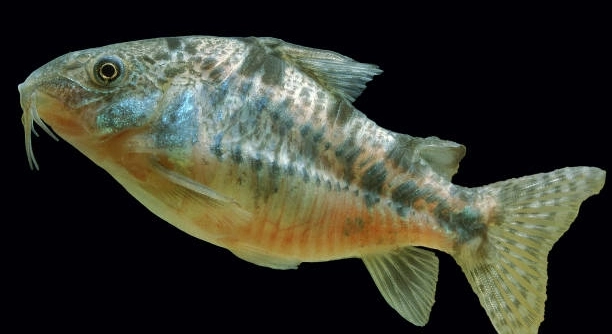
Corydoras catfish are popular aquarium pets, known for their peaceful nature and playful behavior. However, like any pet, they can experience stress or anxiety. Understanding their emotional state is important for their well-being.
The key to determining if your Corydoras catfish is anxious lies in observing changes in behavior. If your fish displays signs like erratic swimming or hiding, it could be an indication of stress or discomfort.
By recognizing these signs, you can address any concerns quickly. The following tips will help you identify anxiety in your Corydoras catfish and keep them healthy and happy.
Understanding Anxiety in Corydoras Catfish
Corydoras catfish are generally calm and social creatures, but like any other fish, they can feel anxious. Anxiety in Corydoras is often caused by changes in their environment or the presence of stressors like poor water conditions or aggressive tank mates. When a Corydoras becomes anxious, it may show noticeable behavioral changes. It’s important to remember that fish, though silent, are sensitive to their surroundings and can pick up on environmental shifts quickly. Factors like water temperature fluctuations, overcrowding, or loud noises can make them uneasy. In addition, Corydoras are known for their schooling behavior, so a lone fish might feel stressed. Understanding these triggers helps prevent prolonged anxiety and ensures your fish remain comfortable and healthy.
Recognizing when your Corydoras is anxious can make a significant difference. By providing a stable and calm environment, you allow them to thrive and feel safe in their space.
Creating an environment that promotes calmness for your Corydoras will help alleviate their anxiety. This includes maintaining water quality, ensuring the right tank temperature, and reducing any stress-inducing disturbances. Keep in mind that Corydoras need to feel secure, so it’s important to provide hiding places where they can retreat when they feel threatened. This gives them the option to find peace and safety when they need it. Additionally, avoid overcrowding the tank, as too many fish can make them feel cramped and stressed. Ensuring there is adequate space for each fish to move freely will help reduce tension. Maintaining a balanced ecosystem in your aquarium supports the overall well-being of your fish.
Common Behavioral Signs of Anxiety in Corydoras
One of the first signs of anxiety in Corydoras is erratic swimming patterns.
When a Corydoras is feeling anxious, it may swim in fast, erratic movements, often darting back and forth across the tank. This unusual behavior is different from their usual calm, slow swimming. When they are stressed, they may also swim toward the top of the tank or appear disoriented. Corydoras that are typically peaceful and social may begin to isolate themselves from other fish. This isolation is a clear sign that something in their environment has made them uncomfortable.
Another common behavior to look out for is hiding. Corydoras catfish like to stay near the bottom of the tank and enjoy exploring, but when stressed, they may hide in dark corners or under decorations. This is their way of seeking comfort and safety. However, too much hiding might indicate they are trying to escape something causing them stress. In some cases, anxiety can even cause Corydoras to stop eating. If you notice that your Corydoras isn’t eating its food or is sluggish during feeding time, it’s a sign that something might be wrong. Pay attention to any changes in their behavior, as these can be early indicators of anxiety.
By identifying these behaviors, you can take quick action to restore balance in the tank.
Environmental Factors That Cause Anxiety in Corydoras
Changes in water temperature or poor water quality can significantly impact your Corydoras’ stress levels. They are particularly sensitive to fluctuations, and even small changes can make them uneasy.
Corydoras thrive in stable environments. When the water temperature fluctuates or becomes too high or low, it can cause them stress. This is especially true if the temperature changes rapidly. To prevent this, keep a consistent water temperature between 72-78°F (22-26°C). Make sure to monitor water parameters regularly. Poor water quality, including high ammonia or nitrate levels, can also lead to anxiety. These levels should be kept as low as possible. Frequent water changes and a good filtration system can help maintain clean, safe conditions for your fish.
Poor water quality is often caused by overfeeding or overcrowding the tank. Regular maintenance, including water testing and cleaning, is essential. If the tank is too small, or there are too many fish, the water can become polluted quickly, which contributes to stress in your Corydoras.
Tank Mates and Social Behavior
Corydoras are peaceful fish that prefer calm and non-aggressive tank mates.
If you add aggressive fish to your tank, it can create a stressful environment for your Corydoras. Fish that chase or nip at your Corydoras can make them feel anxious and unsafe. Choose tank mates that are gentle and not too territorial. Species like tetras, guppies, or other small peaceful fish make good companions for Corydoras. It’s important to have enough space in the tank for all fish to feel secure. Overcrowding can cause stress, as fish may compete for hiding spots and food.
Corydoras are schooling fish, so having at least three or four of them together helps reduce anxiety. When they are in a group, they feel safer and more confident. If your Corydoras is alone, it may become stressed and display behaviors like hiding or erratic swimming. Providing a small group of Corydoras in your tank is ideal for their mental well-being.
Signs of Overcrowding in the Tank
Overcrowding can lead to stress for your Corydoras. When too many fish are in a small space, it reduces the water quality and makes your fish feel cramped.
Corydoras require plenty of room to swim and explore. If the tank feels too crowded, they might become more anxious and show signs like hiding or darting around. It’s essential to ensure there is enough space for each fish to move freely.
Impact of Poor Tank Setup
An improper tank setup can contribute to anxiety in Corydoras. The lack of hiding spots or decorations can make them feel vulnerable.
Corydoras are bottom dwellers, and they appreciate having places to hide and rest. Adding plants, rocks, or caves will provide safe spaces where they can retreat when needed. Without these hiding spots, they may feel exposed and stressed, causing erratic behavior. A well-planted aquarium with hiding spots can significantly improve their comfort and reduce anxiety.
Importance of a Balanced Diet
A balanced diet plays a significant role in the well-being of Corydoras.
If your Corydoras is not eating enough or receiving the proper nutrients, it can contribute to stress and weakened health. A varied diet of high-quality pellets, frozen or live foods like bloodworms, and occasional vegetables can help maintain their strength and reduce anxiety.
FAQ
How can I help my Corydoras feel less anxious?
To help your Corydoras feel less anxious, focus on providing a stable and calm environment. This includes maintaining proper water temperature, ensuring good water quality, and avoiding sudden changes in the tank. Providing hiding spots like caves or plants can give them a safe space to retreat when needed. Make sure the tank is not overcrowded, and keep peaceful tank mates. A stress-free environment, along with a balanced diet, will promote better health and reduce anxiety in your fish.
What are the best tank mates for Corydoras?
Corydoras are peaceful fish, so it’s best to choose tank mates that won’t cause stress. Small, calm fish like tetras, guppies, and other non-aggressive species work well. Avoid larger, territorial, or aggressive fish that might chase or bully your Corydoras. Keeping a peaceful tank environment is key to reducing stress.
What should I do if my Corydoras isn’t eating?
If your Corydoras isn’t eating, it might be due to stress, water quality issues, or illness. Start by checking the water parameters, such as ammonia, nitrite, and nitrate levels, to ensure they are within the safe range. If water conditions are fine, observe the tank for any signs of aggression or overcrowding that could be causing stress. If the problem persists, consult an aquarium professional or veterinarian for further advice.
Can Corydoras handle changes in water temperature?
Corydoras are sensitive to temperature changes. Sudden shifts in water temperature can cause stress and discomfort. Keep the water temperature in the range of 72-78°F (22-26°C) to help them feel comfortable. A reliable aquarium heater and thermometer can help maintain a stable environment. Gradual temperature changes, if necessary, are always better than abrupt ones.
How do I know if my Corydoras is stressed?
Stressed Corydoras often display behaviors like erratic swimming, hiding more than usual, or isolating themselves from other fish. They might swim frantically or stay near the surface of the water. If your fish stops eating or becomes less active, these could be signs of stress. Pay attention to changes in behavior to address potential stressors promptly.
How many Corydoras should I keep together?
Corydoras are social fish and thrive in groups. It’s best to keep at least three or four Corydoras together in a tank. A small group helps reduce anxiety and allows them to feel secure. If they are kept alone, they may feel stressed or lonely, which can negatively affect their well-being.
How often should I clean my Corydoras tank?
Cleaning your Corydoras tank regularly is essential for maintaining water quality. Perform partial water changes of about 20-25% every one to two weeks. Additionally, clean the substrate by gently vacuuming it to remove debris and waste. Make sure the filter is functioning properly and clean it as needed to prevent clogging.
Are Corydoras sensitive to light?
Yes, Corydoras are sensitive to bright lights. They naturally prefer dimly lit environments, as bright lights can cause them stress. Keep your aquarium lighting at a moderate level, and provide shaded areas or plants where they can seek cover. This will help reduce stress and allow them to feel more comfortable.
How can I tell if my Corydoras is sick or just stressed?
It can sometimes be tricky to differentiate between illness and stress. Stressed Corydoras may exhibit erratic swimming or hiding, but sick fish may show more severe symptoms like discoloration, fin damage, or abnormal swimming patterns. If you notice other signs like faded colors, swollen areas, or unusual behavior, it’s best to isolate the fish and seek professional help for an accurate diagnosis.
What size tank do Corydoras need?
Corydoras need a tank that provides ample swimming space and a suitable environment for them to feel secure. A tank of at least 20 gallons is recommended for a small group of Corydoras. Larger tanks are always better to avoid overcrowding and ensure there’s enough space for swimming, hiding, and socializing.
Can Corydoras live with other bottom dwellers?
Corydoras can live with other bottom dwellers as long as the tank is large enough and there are plenty of hiding spots. It’s important to choose peaceful species that don’t compete for territory or food. Avoid adding aggressive bottom-dwelling fish like certain types of catfish, as they might cause stress.
Do Corydoras need a special substrate?
Corydoras prefer soft, fine substrates like sand or smooth gravel. Sharp or rough substrates can damage their delicate barbels. It’s important to provide a substrate that allows them to forage and root around without hurting themselves. Sand is a great option, as it’s gentle on their barbels and allows them to feel more natural in their habitat.
Why is my Corydoras swimming at the top of the tank?
If your Corydoras is swimming at the top of the tank, it may be trying to find oxygen or seeking cooler water. This could indicate that the water is not properly oxygenated, or the temperature may be too high. Check the filtration system and water parameters to ensure they are within the proper range.
How do I maintain a peaceful tank environment?
To maintain a peaceful environment, choose tank mates that are non-aggressive and avoid overcrowding. Ensure your Corydoras have plenty of space to swim and explore. Keep the water clean with regular water changes, and provide hiding spots and plants where your fish can retreat if needed. A stable environment with minimal disturbances helps keep your Corydoras stress-free.
Is it normal for Corydoras to be active at night?
Yes, Corydoras are often more active during the night or early morning hours. They are nocturnal fish and feel more comfortable foraging and exploring after the lights are off. If your Corydoras seem more active at night, it’s likely because they are simply following their natural behavior patterns.
Final Thoughts
Corydoras catfish are generally calm and peaceful creatures, but like all fish, they can become stressed or anxious. Identifying the signs of anxiety early on is crucial for their well-being. Changes in behavior, such as erratic swimming or hiding, can be indicators of stress. It’s important to closely observe their environment and habits, so you can address any potential issues promptly. Whether it’s water quality, tank mates, or overcrowding, small adjustments can make a significant difference in helping your Corydoras feel comfortable and secure in their home.
Providing the right environment for Corydoras is key to preventing anxiety. Make sure the water quality is consistently monitored, with the right temperature and levels of ammonia, nitrite, and nitrate. Corydoras are sensitive to water conditions, so regular water changes and proper filtration are essential. It’s also important to keep the tank well-maintained, with plenty of hiding spots and peaceful tank mates. Avoid overcrowding, as this can lead to stress and other health problems. A spacious and calm environment will help your Corydoras thrive.
Lastly, be mindful of their social needs. Corydoras are schooling fish and feel safest in groups. If they’re kept alone, they may become anxious and show signs of stress. Ideally, keep at least three or four Corydoras together to help them feel secure. Proper diet and routine care are also vital. Offering a balanced diet and avoiding overfeeding will help your Corydoras stay healthy and strong. When you provide a stable, peaceful, and enriching environment, your Corydoras will be less likely to feel anxious and more likely to enjoy a long, healthy life.

Hello,
If you enjoy the content that we create, please consider saying a "Thank You!" by leaving a tip.
Every little bit helps us continue crafting quality advice that supports the health, happiness, and well-being of pets around the world, for pets of all shapes, sizes, and species.
We really appreciate the kindness and support that you show us!