
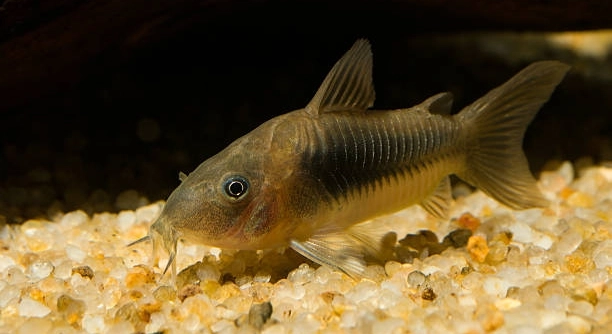
Corydoras catfish are delicate creatures that can be prone to stress. Understanding the causes behind stress spikes in these fish is essential for maintaining a healthy and thriving aquarium. Several factors can contribute to these stressors.
Stress in Corydoras catfish can result from poor water quality, sudden temperature changes, overcrowding, aggressive tank mates, or improper feeding practices. Identifying and addressing these stress triggers is key to preventing prolonged distress and promoting overall well-being.
Managing the environment and care routine for your Corydoras catfish ensures a peaceful and healthy aquarium for both you and your fish.
Poor Water Quality
Water quality is a critical factor in the health of Corydoras catfish. These fish are sensitive to changes in water parameters such as pH, ammonia, nitrites, and nitrates. When these levels fluctuate, it can cause stress, leading to weakened immune systems and increased susceptibility to disease. Poor water quality often results from inadequate filtration or overfeeding, which can cause excess waste in the tank.
Regular water changes and the use of a reliable filtration system are essential in maintaining a stable environment for your fish. Be sure to monitor the water quality regularly with test kits to ensure it remains within safe ranges. Consistently poor water quality can lead to long-term stress, so it is important to address any issues as soon as possible.
Clean, stable water is vital for Corydoras catfish. You’ll want to make sure that it is free from harmful chemicals or pollutants. Maintaining clean water helps your fish feel secure and thrive.
Temperature Fluctuations
Temperature fluctuations are another key factor that can stress Corydoras catfish. They thrive in water that is consistently between 72°F and 78°F. If the water temperature drops below or rises above this range, it can cause stress, leading to abnormal behavior or even illness.
Temperature stress can be caused by poor heater maintenance or sudden changes in the environment. It’s important to ensure that your aquarium heater is functioning correctly and that the water temperature is stable. A thermometer placed in the tank will help you keep track of the temperature and prevent sudden shifts.
Inconsistent water temperatures can disrupt the natural metabolic processes of Corydoras catfish, affecting their overall health. By keeping the temperature stable, you can avoid this stress factor and provide a more comfortable environment for your fish.
Overcrowding
Overcrowding is a common stressor for Corydoras catfish. When too many fish are placed in a tank, it creates competition for space and resources. This can cause physical stress and behavioral changes. Proper tank size is crucial to ensure fish have enough space to thrive.
Overcrowded tanks also result in poor water quality, as more waste is produced than the filtration system can handle. This leads to increased ammonia and nitrate levels, which can harm Corydoras catfish. The fish may become more aggressive or skittish as they struggle to find space and shelter.
It’s essential to adhere to the recommended stocking levels for your aquarium. If you notice signs of overcrowding, consider removing some fish or upgrading to a larger tank. Proper stocking helps ensure a peaceful, less stressful environment for your Corydoras catfish.
Aggressive Tank Mates
Corydoras catfish are peaceful fish and prefer to coexist with other non-aggressive species. Aggressive tank mates, such as large cichlids or territorial fish, can cause immense stress. These fish may chase or nip at the Corydoras, causing constant anxiety.
Aggression can lead to physical injury, loss of appetite, and even death. Corydoras catfish may retreat to the bottom of the tank or hide more frequently, trying to avoid the aggressive fish. It’s important to pair Corydoras with other peaceful species that won’t compete for space or resources.
When selecting tank mates, ensure they are compatible with the peaceful nature of Corydoras catfish. A calm and balanced tank environment is essential for reducing stress and promoting the well-being of all inhabitants.
Improper Feeding Practices
Overfeeding or underfeeding Corydoras catfish can both contribute to stress. When overfed, uneaten food decomposes, leading to poor water quality. On the other hand, underfeeding causes malnutrition and weakens the fish, making them more susceptible to stress and disease.
It’s important to feed your Corydoras small amounts of food that they can consume within a few minutes. Excess food should be promptly removed from the tank to prevent it from breaking down and affecting water quality.
Proper feeding ensures your Corydoras are healthy and stress-free. Monitoring their diet and removing any uneaten food is crucial for maintaining a stable environment.
Sudden Changes in Environment
Corydoras catfish thrive in stable environments. Sudden changes in water parameters, such as pH or temperature, can cause significant stress. Introducing new decorations, tank mates, or rearranging the tank layout can also lead to confusion or anxiety.
To minimize stress, make gradual changes when needed. Introduce new elements slowly and monitor the tank’s water conditions regularly. This allows your Corydoras to adapt without feeling overwhelmed.
Stability is key to keeping Corydoras catfish happy. By providing a consistent environment and making gradual changes, you help your fish stay calm and healthy.
Excessive Lighting
Excessive lighting can cause stress in Corydoras catfish. These fish are naturally nocturnal and prefer low light conditions. Bright lighting can disrupt their natural behavior, leading to stress and erratic movements.
A good rule of thumb is to provide moderate lighting for 8 to 10 hours a day. This will allow your Corydoras to feel secure during their resting periods and avoid unnecessary stress. Too much light can also encourage algae growth, further impacting water quality.
Proper lighting helps create a comfortable and stress-free environment for Corydoras. Reducing excessive light is essential for their overall well-being.
FAQ
What are the signs of stress in Corydoras catfish?
Stress in Corydoras catfish can be recognized through several behaviors. They may become more reclusive, staying at the bottom of the tank or hiding in corners. Their movement may become erratic, or they may swim in circles. Stress can also cause a loss of appetite, leading to weight loss. In some cases, you might see faded colors or clamped fins, which indicate distress.
How can I reduce stress for my Corydoras catfish?
To reduce stress, focus on maintaining a stable and clean tank environment. Regular water changes are essential, along with checking the water quality frequently. Make sure your tank is not overcrowded, and provide plenty of hiding spots for the fish. You should also avoid placing aggressive tank mates in the same aquarium.
Can temperature fluctuations harm Corydoras catfish?
Yes, temperature fluctuations can significantly stress Corydoras catfish. They are sensitive to changes in water temperature, which can impact their immune system and make them more vulnerable to disease. It is essential to maintain a consistent water temperature between 72°F and 78°F, and invest in a reliable aquarium heater to prevent sudden changes.
Is it okay to keep Corydoras catfish with other species?
Corydoras catfish are peaceful and social fish, making them good tank mates for other non-aggressive species. However, it is essential to avoid housing them with large or territorial fish that may stress or harm them. Species such as guppies, tetras, and other peaceful bottom-dwellers are good companions for Corydoras.
What should I do if my Corydoras catfish are fighting?
If you notice fighting, it could be due to overcrowding or incompatible tank mates. Corydoras are typically peaceful and do not engage in aggressive behavior with their own species unless stressed. Ensure that the tank is large enough to accommodate all the fish comfortably and remove any aggressive species.
How often should I feed Corydoras catfish?
Corydoras catfish should be fed once or twice a day, but only the amount they can consume in a few minutes. Overfeeding can lead to poor water quality, which in turn stresses the fish. Make sure to remove any uneaten food promptly to maintain a clean environment.
What is the ideal tank size for Corydoras catfish?
The ideal tank size for Corydoras catfish depends on the number of fish you plan to keep. A 20-gallon tank is typically recommended for a small group of Corydoras. Larger tanks are required if you plan to keep more fish. Ensure that there is enough space for the fish to move freely without overcrowding.
Can Corydoras catfish live with shrimp?
Yes, Corydoras catfish can live with shrimp. In fact, both species tend to do well in community tanks, as long as the shrimp are not small enough to be seen as food. Keep in mind that Corydoras may disturb shrimp during foraging, but they typically do not harm them.
What water parameters are best for Corydoras catfish?
Corydoras catfish prefer slightly acidic to neutral water with a pH range of 6.0 to 7.5. The water should be soft to moderately hard, with a general hardness (GH) between 4 and 10 dGH. Ammonia and nitrite levels should always be zero, while nitrates should be kept under 20 ppm.
How can I tell if my Corydoras catfish is sick?
Signs of illness in Corydoras catfish include changes in behavior, such as lethargy, abnormal swimming, or hiding more than usual. Physical signs like bloating, faded colors, or fin rot can indicate disease. If you notice these symptoms, it’s essential to separate the sick fish and address any underlying water quality issues.
How often should I clean the tank for Corydoras catfish?
Tank cleaning should be done regularly to prevent the buildup of harmful waste. Perform partial water changes of about 20-30% every week to keep the water quality in check. Clean the substrate and check the filter regularly to ensure it’s working efficiently. Regular maintenance helps reduce stress and maintain a healthy environment.
Do Corydoras catfish need a filter?
Yes, Corydoras catfish require a filter to keep the water clean and maintain the proper oxygen levels. A filter helps remove waste, debris, and toxins from the water, ensuring that the tank stays safe for your fish. A gentle filter is recommended since Corydoras prefer calm water.
Can Corydoras catfish survive without a heater?
Corydoras catfish can survive without a heater, but only in areas where the water temperature remains consistently within their preferred range of 72°F to 78°F. In most cases, a heater is recommended to maintain a stable temperature and ensure that the fish stay healthy and stress-free.
What is the lifespan of a Corydoras catfish?
Corydoras catfish typically live for 5 to 10 years, depending on their care and environment. Providing a stable tank with good water quality, proper diet, and appropriate tank mates can help them live a long, healthy life.
Are Corydoras catfish sensitive to salt?
Yes, Corydoras catfish are sensitive to salt, and it can stress them. While some aquarium fish tolerate salt, it’s best to avoid adding it to the tank unless necessary for treating specific diseases. Always consult a specialist before using salt in your aquarium.
Do Corydoras catfish need aeration?
While Corydoras catfish can tolerate lower oxygen levels, providing gentle aeration can help improve water circulation and oxygenation in the tank. A sponge filter or an air stone placed in the aquarium can provide the additional oxygen needed without creating strong currents.
Final Thoughts
Corydoras catfish are resilient and peaceful creatures that can thrive in various aquarium settings when provided with the right care. By maintaining a stable and clean environment, you can minimize the risk of stress. It is important to focus on proper feeding practices, regular water changes, and appropriate tank conditions. Ensuring your Corydoras have a comfortable space to swim and hide can make a big difference in their well-being. Avoiding sudden changes in water parameters or introducing aggressive tank mates will also help in reducing stress.
Regular monitoring of water quality is crucial. Corydoras catfish are sensitive to their surroundings, and poor water quality can quickly lead to stress and health problems. Routine water changes, checking ammonia, nitrites, and nitrates, and keeping the temperature stable are simple steps that will go a long way in maintaining a healthy aquarium. A properly maintained tank ensures your fish stay active, healthy, and less prone to stress. This also prevents issues that can arise from neglect, like the buildup of harmful toxins or low oxygen levels.
Keeping Corydoras in an environment tailored to their needs is essential for their overall health and happiness. Their sensitive nature means they thrive in peaceful, stable conditions, where they feel secure. With the right care, these fish can live a long, healthy life in your aquarium. Being mindful of their needs and creating a stress-free environment is key to keeping them content and active. Regular attention to their diet, water conditions, and tank setup will ensure that your Corydoras remain healthy and stress-free for years to come.

Hello,
If you enjoy the content that we create, please consider saying a "Thank You!" by leaving a tip.
Every little bit helps us continue crafting quality advice that supports the health, happiness, and well-being of pets around the world, for pets of all shapes, sizes, and species.
We really appreciate the kindness and support that you show us!