
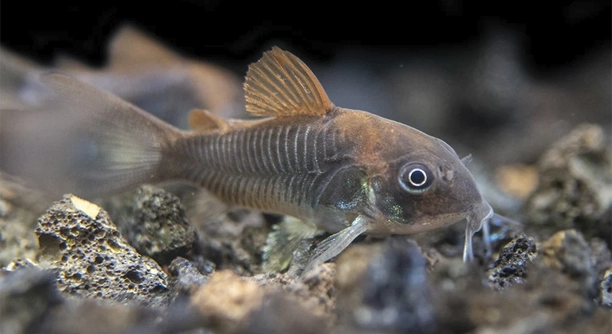
Corydoras catfish are popular aquarium pets, known for their playful nature and bottom-dwelling habits. They enjoy exploring their surroundings, and keeping them entertained is essential for their well-being. This article provides helpful tips to keep your catfish active.
To keep your Corydoras catfish entertained, consider adding varied tank features like plants, decorations, and hiding spots. These elements stimulate natural behaviors such as scavenging and swimming. Additionally, regular feeding routines with diverse foods can keep them engaged and healthy.
By incorporating these strategies, you can ensure your Corydoras catfish thrive and stay active in their aquatic environment.
Adding Tank Decorations and Hiding Spots
Corydoras catfish are naturally curious and enjoy exploring. Adding tank decorations such as rocks, caves, and plants gives them a chance to engage with their environment. These elements not only provide hiding spots but also encourage scavenging behavior. Corydoras are bottom-dwellers, and they thrive when they can explore every corner of their tank. Including plants like Java moss or Anubias can create a more natural environment, giving your catfish opportunities to hide, play, and forage. Avoid overcrowding the tank with too many items, as this can limit their movement and decrease their overall activity level.
To keep your catfish interested, vary the structure of your tank regularly. Move decorations around every few months to provide a new experience and encourage exploration. Providing hiding spots gives them a sense of security and encourages them to exhibit their natural behaviors.
When you design your tank with the needs of your catfish in mind, you create an environment where they feel safe, active, and engaged.
Providing a Variety of Foods
Corydoras catfish are omnivores and will eat a range of foods. To keep them entertained, offer different types of food that require them to search and scavenge. High-quality pellets are a staple, but you can supplement their diet with sinking wafers, frozen bloodworms, or live food such as brine shrimp. Variety keeps their diet balanced and stimulates their natural hunting instincts.
Feeding your catfish at different times of the day can also make mealtime more exciting. The variety in textures and tastes will motivate them to stay active and engaged during feeding times. Corydoras will eagerly search the tank for any food that sinks to the bottom, ensuring they remain busy and entertained. However, it’s important to avoid overfeeding to maintain water quality.
These feeding practices will ensure that your catfish are well-fed and continually stimulated by new food sources.
Introducing Tankmates
When adding tankmates to your Corydoras aquarium, choose peaceful species that won’t stress your catfish. Other bottom-dwellers, like small shrimp or snails, can be great companions. Avoid aggressive fish that might compete for food or invade their space.
Corydoras catfish are social animals, and they do better when kept with others of their kind. However, adding other non-competitive species can create a more dynamic environment. Species like tetras or peaceful livebearers can make for interesting interactions. By carefully selecting compatible tankmates, you promote a peaceful, balanced community that keeps your Corydoras active and entertained.
Adding the right tankmates not only helps create a more natural environment but also encourages your Corydoras to explore and interact with other creatures. Be mindful of the size and behavior of any new fish, as some species may unintentionally disrupt the harmony of the tank.
Changing Water Conditions
Regularly changing water conditions helps keep your Corydoras healthy and engaged. They thrive in stable environments, but subtle variations in water temperature and flow can stimulate their natural instincts. Gradually changing water temperature or using a water pump can keep them active.
It’s also essential to maintain water quality by performing regular water changes. Corydoras catfish are sensitive to poor water conditions, which can lead to stress and inactivity. By ensuring your water is clean and properly balanced, you provide a more comfortable and engaging environment. Using a reliable filtration system can also help maintain water clarity and oxygen levels.
Additionally, varying the water flow with different types of pumps and filtration systems can encourage Corydoras to swim in various areas of the tank. This slight change in the environment encourages exercise and provides opportunities for exploration.
Using Aquarium Lighting
Proper lighting plays a role in keeping your Corydoras active. Use gentle, natural lighting that mimics day and night cycles. Avoid harsh, direct lighting, as it may stress the fish. A consistent lighting schedule helps regulate their behavior and provides a sense of time.
Lighting can also influence the plant life in the tank. If you have live plants, appropriate lighting ensures they thrive, which in turn gives your Corydoras more places to explore. They enjoy swimming around plants and plants provide a more stimulating environment. Experiment with different light durations to see how your catfish respond.
Offering Tank Challenges
Introducing elements that challenge your Corydoras can help keep them active. For example, placing food in harder-to-reach spots forces them to forage and explore. You can also add a few more decorations or rocks that encourage swimming through tunnels or navigating around objects.
Changing the layout of the tank can give your Corydoras new challenges. Rearranging rocks or adding new plants creates an opportunity for them to adjust to the new environment. This provides stimulation and keeps their minds and bodies engaged. Even small changes in the tank can make a difference in their behavior.
Providing Enough Space
Corydoras catfish need ample space to swim and explore. Overcrowding the tank can lead to stress and limit their natural behaviors. Ensure your tank is large enough to accommodate your catfish and any other tankmates.
Even though Corydoras are small, they benefit from having room to roam. A larger tank with plenty of hiding spots and plants allows them to feel secure and active. It also prevents territorial disputes, ensuring a more peaceful environment. The more space you provide, the more active and engaged your Corydoras will be.
FAQ
How often should I feed my Corydoras catfish?
Corydoras should be fed once or twice a day. Overfeeding can lead to water quality issues, so it’s important to offer just enough food. They tend to eat quickly, but ensure they have time to forage. Keep in mind that Corydoras are bottom-dwellers, so sinking food like pellets or wafers works best.
Can Corydoras catfish live alone?
While Corydoras can survive alone, they are social creatures and thrive when kept in groups. It’s best to keep them in groups of at least three to five, as this encourages natural behavior and helps reduce stress. A group also creates a more dynamic environment, keeping them active.
What tank size is best for Corydoras catfish?
A 20-gallon tank is typically the minimum size recommended for Corydoras catfish. Larger tanks allow for more space to explore and reduce the chance of territorial behavior. The more space your Corydoras have, the more comfortable and active they will be.
Do Corydoras catfish need a filter?
Yes, Corydoras require a filtration system to maintain good water quality. They are sensitive to dirty water, and a filter helps keep the tank clean and oxygenated. Choose a gentle filter that doesn’t create strong currents, as Corydoras prefer calm water.
Are Corydoras catfish good for beginners?
Corydoras are excellent for beginner aquarium keepers. They are hardy and easy to care for, provided their water conditions are maintained. With simple feeding and basic care requirements, they’re a good choice for those new to keeping fish.
What should I do if my Corydoras catfish is hiding?
Corydoras may hide when stressed, scared, or not feeling well. Ensure the tank conditions are stable, and check for any signs of aggression from tankmates. If hiding becomes a consistent behavior, it could indicate illness, water quality issues, or an environment that doesn’t suit their needs.
How do I tell if my Corydoras catfish is healthy?
A healthy Corydoras will swim actively, have clear eyes, and display vibrant coloration. They should be eating regularly and interacting with tankmates. If your Corydoras is lethargic, has faded color, or shows signs of injury, it may be a sign of poor health.
What temperature should the water be for Corydoras catfish?
Corydoras catfish thrive in temperatures between 72°F and 78°F (22°C to 26°C). Maintaining a consistent temperature within this range is crucial for their well-being. Use a reliable aquarium heater and thermometer to ensure the water stays within the ideal range.
Can Corydoras catfish live with other fish?
Corydoras are peaceful and generally get along well with other non-aggressive species. It’s important to avoid aggressive or territorial fish that could stress them. Compatible tankmates include peaceful tetras, guppies, and small livebearers. Always monitor interactions when introducing new fish.
Do Corydoras catfish require special water conditions?
Corydoras are sensitive to water quality, so maintaining clean, well-filtered water is essential. They prefer slightly acidic to neutral pH levels (6.5-7.5) and soft to moderately hard water. Regular water changes and testing will help keep conditions optimal for your catfish.
How do I encourage breeding in Corydoras catfish?
To encourage breeding, create a suitable environment with clean water, stable temperatures, and slightly cooler water for spawning. Offering a variety of foods and ensuring a stress-free environment can also trigger breeding behavior. Corydoras often lay eggs on plants, decorations, or tank walls.
Can Corydoras catfish eat plants?
Corydoras may nibble on soft plants, but they are not plant eaters. They primarily forage for food on the bottom of the tank. If you’re worried about plant damage, consider using hardy plants like Java fern or Anubias, which are less likely to be eaten.
How do I clean my Corydoras tank?
Regular water changes are the most important aspect of tank maintenance. Clean the substrate using a siphon to remove debris, and clean decorations or filters as needed. Be sure to avoid disturbing the tank too much, as Corydoras prefer stable environments.
Why are my Corydoras catfish swimming at the surface?
If your Corydoras are swimming at the surface, it could be a sign of poor water quality or oxygen levels. Check the water temperature, filtration, and oxygenation. Sometimes, a lack of hiding spots can cause them to swim at the surface in search of security.
What is the lifespan of Corydoras catfish?
Corydoras typically live for about 5 to 7 years with proper care. Some can live even longer if they are kept in ideal water conditions and are fed a balanced diet. Regular tank maintenance can help ensure they reach their full lifespan.
How can I prevent disease in my Corydoras catfish?
Preventing disease starts with maintaining clean water, offering a balanced diet, and avoiding overcrowding. Quarantine new fish before adding them to the tank to reduce the risk of introducing illness. Regularly check your catfish for signs of injury, illness, or stress.
Do Corydoras catfish need a substrate?
Yes, Corydoras are bottom-dwellers and need a soft, sandy substrate to prevent injury to their delicate barbels. Avoid sharp rocks or gravel, which can cause damage. A soft sand substrate mimics their natural environment and allows them to forage comfortably.
Final Thoughts
Corydoras catfish are great additions to any aquarium, offering both beauty and activity. Their playful nature and peaceful demeanor make them a popular choice among fishkeepers. However, ensuring their health and happiness requires a little attention. Proper water conditions, diet, and the right tank setup are all essential for keeping them content. Understanding their needs and behaviors will make it easier to create an environment that supports their natural instincts. With the right care, Corydoras will thrive and add charm to your tank for years.
When considering Corydoras, always remember that they are social creatures. They feel most at ease in groups, which helps reduce stress and encourages natural behavior. Keeping them with compatible tankmates, providing enough space, and offering hiding spots will help them feel secure. A well-maintained tank with appropriate lighting, filtration, and regular water changes will keep your catfish active and healthy. By offering them a proper environment, you create a stable, low-stress habitat that fosters their well-being.
Lastly, while Corydoras catfish are relatively low-maintenance, being observant and responsive to their needs is key to their happiness. Watch for any signs of stress, illness, or discomfort. With a bit of effort, your Corydoras will adapt quickly to their new home. Regular maintenance and the right care will ensure they remain active, healthy, and lively, adding a special touch to your aquarium. In the end, Corydoras are rewarding to keep, and with their playful nature, they will continue to bring joy to your tank.

Hello,
If you enjoy the content that we create, please consider saying a "Thank You!" by leaving a tip.
Every little bit helps us continue crafting quality advice that supports the health, happiness, and well-being of pets around the world, for pets of all shapes, sizes, and species.
We really appreciate the kindness and support that you show us!