
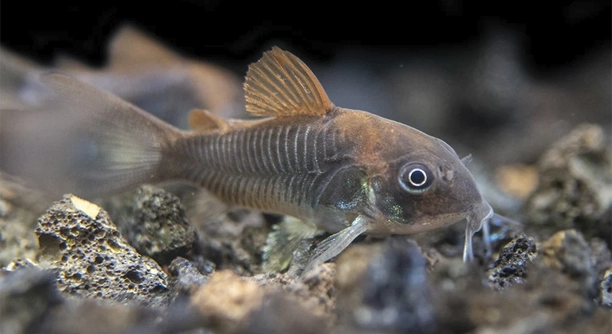
Are your Corydoras catfish acting shy, hiding too often, or seeming uncomfortable in their tank? Helping them feel safe is easier than you might think with just a few simple changes to their environment.
The most effective ways to make your Corydoras feel more secure include providing plenty of hiding spaces, maintaining consistent water conditions, using soft substrate, keeping them in groups, and reducing sudden changes in their surroundings.
Creating a calm and safe environment will encourage your Corydoras to be more active and healthy. These tips will help you support their natural behavior.
Add More Hiding Spots
Corydoras catfish feel safer when they have places to hide. Adding caves, driftwood, or live plants helps them feel less exposed. These fish come from murky rivers with lots of cover, so open tanks can stress them out. You don’t need to overdo it—just make sure each fish has access to a few hiding spots. Spread them out across the tank to reduce any competition. Using natural-looking decor also helps create a calm and familiar space. Try to keep the layout consistent, as rearranging decorations too often can make them uneasy and throw off their sense of safety.
Hiding spots give your Corydoras a chance to relax. They’ll feel more confident and spend more time exploring the tank.
Choosing the right materials matters too. Avoid sharp edges or artificial decor that could damage their sensitive barbels. Live plants like Java fern or Anubias are great options, offering both cover and oxygen. Caves made of smooth rock or aquarium-safe resin are also useful. Keep the substrate soft, since Corydoras like to dig and sift through it. Make sure the spaces you add are large enough for them to fit into comfortably. When they feel hidden yet not trapped, their comfort and activity levels will noticeably improve.
Maintain a Peaceful Environment
Corydoras are peaceful and shy by nature, so they don’t do well in tanks with aggressive or overly active fish.
Avoid housing them with fin-nippers or fast swimmers that may intimidate them. Choose tank mates with similar temperaments, like tetras, rasboras, or other bottom dwellers. Consistent lighting also plays a role—bright, intense lighting can make them nervous. Consider dimmer lights or adding floating plants to help diffuse brightness. It’s also important to reduce sudden noises or vibrations around the tank, especially during feeding or rest times. Try to place the tank in a quiet area of your home, away from heavy foot traffic or loud appliances.
Keeping their surroundings peaceful goes a long way in helping them feel at ease. Corydoras will often swim in small groups or rest calmly when they feel secure. With a stress-free environment, they’re more likely to eat well, explore their habitat, and remain healthy over time.
Keep Them in Groups
Corydoras are social fish and feel safer when they are part of a group. Keeping at least six together helps reduce stress and encourages natural behaviors like foraging, swimming, and resting side by side.
When Corydoras are kept alone or in small numbers, they often become withdrawn or hide more than usual. In a proper group, they interact more and feel confident moving around the tank. It’s not just about quantity—make sure they are the same species when possible. Different species may not always school together. Watching them swim and explore as a group is also more enjoyable. You’ll notice their behavior improves over time. They might even become more active during feeding times. Social bonds help them feel secure, which can lead to better overall health and fewer signs of stress in your aquarium.
Groups also allow for more natural communication between the fish. Corydoras have subtle ways of signaling comfort or stress through movement, and these signals are clearer in a group setting. This makes it easier to spot when something is wrong. A peaceful, balanced group dynamic encourages all members to thrive. Their social nature means they rely on each other for comfort, so building that group setting is essential for their well-being.
Use a Soft Substrate
Corydoras spend most of their time near the bottom, so the type of substrate you choose makes a big difference. Rough gravel can damage their sensitive barbels, which are essential for foraging and navigation.
A soft, sandy substrate is ideal for Corydoras. It allows them to sift through it naturally without injury. Play sand or aquarium-safe sand are great choices that mimic their natural environment. Avoid using large gravel or anything with sharp edges. Over time, a rough substrate can lead to infection or cause them to stop feeding properly. You’ll also notice that they’re more active on soft substrate, often seen digging and searching for food. This not only keeps them engaged but also improves their overall mood. Clean the sand regularly with a siphon to avoid buildup of waste, but be gentle to avoid disturbing the fish too much during maintenance.
Soft substrate also helps maintain the health of their underbellies, which can be prone to damage when in contact with coarse surfaces for too long. By allowing them to forage comfortably, you’re supporting both their physical health and natural behavior. This small change has a big impact. It’s an easy adjustment that makes their daily life better and helps them feel more at home in the tank.
Keep Water Parameters Stable
Corydoras are sensitive to changes in water quality. Sudden shifts in temperature, pH, or ammonia levels can stress them out. Stick to regular water changes and always test your water before making adjustments.
Keep the temperature between 72–78°F and maintain a pH between 6.0 and 7.8. Stability is more important than chasing perfect numbers.
Avoid Sudden Movements Around the Tank
Loud noises or fast movements near the tank can startle Corydoras. These fish are easily spooked, especially when resting or feeding. Placing the tank in a calm, quiet area can help reduce stress and make them feel more secure.
Feed Them Consistently
Feed Corydoras once or twice a day using sinking pellets, wafers, or small frozen foods. Try to feed them at the same times each day to create a routine they can count on. Avoid overfeeding—remove uneaten food after 15 minutes to keep the water clean. Regular feeding schedules also help reduce anxiety, especially in a peaceful tank where food is not a competition. Watching them eat calmly in a group is a good sign they feel secure. A consistent routine helps them thrive and shows they can rely on their environment.
FAQ
How many Corydoras should I keep together?
Corydoras are social fish and thrive in groups. Keeping at least six together is recommended. A larger group will make them feel more secure, as they are less likely to hide or become stressed when surrounded by other members of their species. A small group of two or three might not provide the necessary comfort, so aim for a number that allows them to interact and display natural behaviors.
Can Corydoras live alone?
While Corydoras can technically survive alone, it’s not ideal for their well-being. These fish are highly social and feel safest in the company of their kind. Without a group, they may hide more often, become stressed, or show signs of lethargy. Always try to keep at least a small group to allow them to feel safe and secure.
What kind of substrate is best for Corydoras?
Corydoras thrive on a soft, fine substrate like aquarium-safe sand. They naturally sift through the substrate to find food, and rough gravel can damage their delicate barbels. Soft sand is the most suitable choice as it mimics their natural environment. Be sure to avoid sharp or jagged edges, which could injure them.
Can Corydoras live with other fish?
Yes, Corydoras can live with other peaceful fish. It’s best to pair them with tank mates that won’t compete for food or harass them. Small, peaceful fish like tetras, guppies, and rasboras make great companions. Avoid aggressive fish or those that might nip at their fins. It’s important to maintain a calm, peaceful community for your Corydoras to reduce stress.
What temperature do Corydoras need?
Corydoras prefer water temperatures between 72°F and 78°F (22°C to 25°C). Keeping the water within this range ensures that they remain comfortable and stress-free. Consistency in temperature is key, as sudden changes can lead to stress and illness. Use a reliable heater and thermometer to maintain a stable environment.
What do Corydoras eat?
Corydoras are bottom feeders and enjoy sinking pellets, wafers, and frozen foods like bloodworms and brine shrimp. They will also scavenge for leftover food in the substrate. It’s important to provide a balanced diet that meets their nutritional needs. Make sure the food you offer is small enough for them to eat comfortably.
How often should I feed Corydoras?
Feed Corydoras once or twice a day. Only give them as much food as they can consume in about 10–15 minutes to prevent overfeeding and water quality issues. Remove any uneaten food promptly to maintain a clean environment. Stick to a regular feeding schedule to help them feel secure.
Do Corydoras need a filter?
Yes, Corydoras benefit from a well-maintained filter. They produce waste like any other fish, and a filter helps keep the water clean and oxygenated. Be sure to choose a filter with a gentle flow, as Corydoras prefer calmer waters. Avoid strong currents, as they might feel stressed or struggle to swim comfortably.
How can I tell if my Corydoras are stressed?
Stressed Corydoras may exhibit signs like excessive hiding, lethargy, or refusal to eat. They may also swim erratically or spend more time at the top of the tank, which is unusual for them. If you notice these behaviors, check water parameters, tank mates, and environmental factors to identify potential stressors.
How do I breed Corydoras?
Breeding Corydoras is possible in home aquariums with the right conditions. Begin by maintaining pristine water quality and feeding them high-quality food. Provide plenty of hiding places and space to encourage spawning. The fish will pair off naturally, and the female will lay eggs on flat surfaces like leaves or decorations. Ensure the water temperature is slightly raised (around 78°F) to trigger breeding behavior.
Can Corydoras live in a tank with strong lighting?
Corydoras prefer dim lighting. Strong or intense lighting can cause stress and make them feel exposed. Consider using low-intensity aquarium lights or adding floating plants to diffuse the light and create a calmer environment. A darker, more natural setup will help your Corydoras feel more secure.
Are Corydoras hard to care for?
Corydoras are relatively easy to care for. They don’t require complicated setups or constant attention, but they do need stable water conditions, a peaceful tank, and a proper diet. With the right care, Corydoras are hardy and can live for several years. Regular water changes and tank maintenance are key to keeping them healthy and happy.
Can Corydoras live with shrimp?
Yes, Corydoras can coexist with shrimp, especially species like cherry shrimp or Amano shrimp. They won’t harm each other as long as the shrimp are large enough to avoid being eaten. Corydoras are bottom dwellers and may occasionally stir up the substrate, but they are generally peaceful with shrimp and other tank mates.
Final Thoughts
Corydoras catfish are generally low-maintenance and peaceful fish that thrive in a well-kept aquarium. By ensuring the right water conditions, maintaining a stable environment, and providing a suitable diet, they can live long, healthy lives. These catfish enjoy the company of their own kind and feel most secure in a group. Keeping a small school of them is the best way to ensure they stay active and content in your tank. They are not aggressive and typically coexist well with other peaceful fish, making them a great choice for community aquariums.
One of the most important factors in keeping Corydoras healthy is maintaining stable water parameters. These fish are sensitive to changes in their environment, especially when it comes to water quality and temperature. Regular water changes, proper filtration, and frequent monitoring of pH and ammonia levels are essential to keeping them happy. It’s also crucial to provide them with a soft substrate like sand, as they have delicate barbels that can get injured by rough gravel. A stress-free environment helps them feel more secure and reduces the likelihood of health issues.
In summary, Corydoras catfish are hardy and enjoyable to keep, but like any fish, they need attention and care. Their peaceful nature makes them ideal for community tanks, and they can form bonds with other Corydoras, creating a lively and engaging aquarium display. Providing consistent care, a balanced diet, and a quiet, stable environment will allow these fish to thrive for many years. Following these simple guidelines will ensure your Corydoras feel secure and contribute to a peaceful, thriving tank.

Hello,
If you enjoy the content that we create, please consider saying a "Thank You!" by leaving a tip.
Every little bit helps us continue crafting quality advice that supports the health, happiness, and well-being of pets around the world, for pets of all shapes, sizes, and species.
We really appreciate the kindness and support that you show us!