
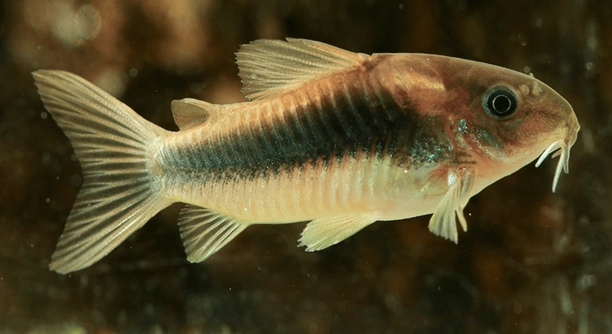
Corydoras catfish are peaceful creatures that thrive in community tanks. However, they may experience stress if bullied by more dominant tank mates. Understanding the signs of bullying can help you ensure their well-being and create a harmonious tank environment.
The most noticeable signs of bullying in Corydoras catfish include aggressive behavior from other fish, such as chasing, fin nipping, or blocking access to food. Observing these actions can help identify if your catfish is being stressed or harmed by tank mates.
By recognizing these clues, you can take steps to ensure your Corydoras catfish remain happy and healthy in their aquatic home.
Signs of a Stressed Corydoras Catfish
Corydoras catfish are known for their calm nature, so when they start acting stressed, it’s often due to bullying or environmental issues. Stress can manifest in various ways, from changes in behavior to physical symptoms. One of the most noticeable signs is when your catfish starts hiding more than usual. Corydoras are social fish, so if they’re avoiding other tank mates, it could indicate they’re feeling threatened. You might also notice a decrease in activity or a reluctance to come out during feeding time.
When Corydoras become stressed, their immune systems weaken, making them more susceptible to disease. This can lead to further complications, such as faded colors or damaged fins. The stress of bullying can even affect their growth rate, making them appear smaller than they should be. If you notice any of these signs, it’s essential to address the issue as soon as possible to ensure their health and happiness.
Proper tank setup and the right tank mates are essential for a healthy aquarium. Understanding what causes stress in your Corydoras can help you prevent long-term damage.
How to Spot Aggressive Tankmates
Not all fish are suitable companions for Corydoras catfish. Some species can be aggressive and may cause stress. Fish like cichlids or larger, more dominant species often pick on smaller fish. They may chase or bully the Corydoras, preventing them from feeding and interacting with the rest of the tank.
Aggressive tank mates often display behaviors such as chasing, fin nipping, or crowding the Corydoras in tight spaces. These actions can stress your catfish and hinder their natural behavior. A few specific signs to watch out for are when your Corydoras hides in the corners of the tank or struggles to swim freely due to aggressive fish blocking their way.
If you observe these behaviors, it’s crucial to act quickly. Separate aggressive tank mates or rearrange the tank layout to provide hiding spots for your Corydoras. By reducing stress and ensuring plenty of space for your catfish, you’ll promote a healthier environment for all the fish in your tank.
Common Bullies in the Tank
Aggressive tankmates can be the root of bullying for Corydoras catfish. Fish species like barbs, tetras, and certain types of goldfish often bully smaller, slower fish. The territorial nature of these fish can make Corydoras feel unsafe. It’s important to be mindful of the personalities of the other fish in your tank.
Corydoras are bottom dwellers, which makes them an easy target for fish that swim in higher areas. Species like angelfish, bettas, and large barbs can intimidate your catfish. The key is to carefully choose tankmates that won’t harm or stress the Corydoras. By doing so, you help foster a peaceful environment. In a community tank, always ensure that the fish you introduce are compatible in temperament and size to avoid causing unnecessary stress to your Corydoras catfish.
The right tankmate can make a world of difference. Incompatible fish can lead to bullying, which could result in serious health problems for your catfish. Always research before adding new fish to ensure everyone gets along peacefully.
Solutions to Prevent Bullying
There are several ways to reduce bullying behavior in a tank. One of the easiest methods is to add more hiding places and plants. Corydoras feel safer when they have areas where they can retreat and escape from aggression. By adding rocks, driftwood, or dense vegetation, you give them more spaces to feel secure.
Another solution is to separate aggressive fish by placing tank dividers or creating barriers within the tank. This can help minimize the bullying behavior and provide peace for your Corydoras. Additionally, keeping the tank well-maintained with proper filtration and water parameters is essential to reduce stress for all your fish. A well-balanced tank creates a more comfortable environment for every species, including your Corydoras. If aggression persists, consider rehoming the aggressive fish to prevent any long-term harm.
Make sure to keep a close watch on the interactions between all your fish, and always be ready to step in if you notice signs of bullying.
The Importance of Tank Size
A spacious tank is crucial for minimizing bullying. In smaller tanks, fish are more likely to feel crowded and become territorial, leading to aggression. A larger tank provides more space for each fish to establish its territory and reduces the chance of bullying.
When choosing a tank size, aim for at least 20 gallons if you plan to keep Corydoras with other species. This gives them enough room to move freely and avoid being cornered by aggressive fish. With ample space, your Corydoras can escape to a safer area when needed, lowering stress levels.
Ensuring your tank is large enough for all inhabitants will help prevent territorial behavior and bullying. A well-sized tank is a simple yet effective solution for keeping your Corydoras happy and safe.
Maintaining a Balanced Diet
Feeding your Corydoras a balanced diet can help prevent stress and keep them healthy. Overfeeding or underfeeding can lead to aggression, especially among tankmates vying for food. Providing a consistent feeding schedule and using high-quality food ensures all fish are well-fed and content.
A varied diet, including sinking pellets, live food, and vegetables, helps your Corydoras stay strong and less vulnerable to bullying. When fish are healthy and satisfied, they are less likely to exhibit aggressive behaviors due to hunger or frustration. Proper nutrition also promotes better immune function, allowing your fish to recover from any stress more quickly.
A well-fed Corydoras is less likely to experience health problems and will be less of a target for bullies.
Proper Tank Maintenance
Regular tank maintenance is essential for a healthy environment. Poor water quality can lead to stress, which may make your Corydoras more susceptible to bullying. Make sure to perform regular water changes, test water parameters, and keep the filtration system clean.
Corydoras, like other fish, are sensitive to water conditions. High levels of ammonia, nitrates, or nitrites can cause discomfort, making them more vulnerable to bullying or aggression. By maintaining stable water conditions, you ensure that your Corydoras are in optimal health, reducing stress and the likelihood of bullying. Additionally, maintaining a clean tank ensures that fish can thrive in a stress-free environment. A healthy environment reduces the overall aggression levels among tankmates, creating harmony in your aquarium.
FAQ
What are the signs that my Corydoras catfish is being bullied?
If your Corydoras catfish is being bullied, you may notice it hiding more often or swimming away from other tank mates. They might become less active, avoiding feeding times or showing signs of distress, such as rapid fin movements or hiding in tight spaces. Over time, bullying can cause physical damage to their fins or tails. If you see these signs, it’s important to address the issue to prevent further harm to your catfish.
Can Corydoras live with other fish?
Yes, Corydoras catfish are generally peaceful and can live with a variety of other fish, as long as the tankmates are not aggressive. They are bottom-dwellers and typically get along well with other calm fish, such as guppies, mollies, or tetras. However, it’s important to avoid aggressive species, like cichlids or large, territorial fish, as they may bully the Corydoras. Always research your tank mates before introducing them to ensure compatibility.
How do I separate a bullying fish from my Corydoras?
If you notice a bullying fish, separating it temporarily might be necessary. You can use a tank divider to isolate the aggressive fish without disturbing the entire setup. This allows the bullied Corydoras to recover and reduces stress. After a few days, observe the behavior of all fish to see if the aggression has stopped. If the bullying continues, you may need to rehome the aggressive fish.
What should I do if my Corydoras has been injured?
If your Corydoras has been injured due to bullying, it’s important to monitor the wound closely. Keep the tank clean, perform regular water changes, and ensure that your Corydoras has a peaceful environment to recover. In some cases, you may need to isolate the injured fish to prevent further aggression. If the injury seems severe or doesn’t heal, consider consulting a vet who specializes in fish.
How many Corydoras should I keep together?
Corydoras are social fish and should be kept in groups of at least three to five. This helps them feel secure and reduces the chance of bullying within the group. A larger group can create a more relaxed atmosphere, as the Corydoras will be less likely to experience stress or fear. Keeping them in a group also encourages natural behaviors like foraging and social interaction, which are important for their well-being.
Can I keep Corydoras with bettas?
Corydoras and bettas are not always the best tank mates. While Corydoras are peaceful and typically stay at the bottom of the tank, bettas can be aggressive, especially toward other males or fish with flowing fins. If you do choose to keep them together, make sure there is plenty of space and hiding spots for the Corydoras. Watch closely for signs of aggression, and be ready to separate them if needed.
What is the best tank setup for Corydoras?
Corydoras catfish prefer a well-planted tank with plenty of hiding spots. Fine substrate, such as sand, is ideal because it prevents damage to their sensitive barbels. They enjoy calm water with moderate filtration, and the water temperature should be between 72°F and 78°F. Make sure to provide enough space for them to swim and forage. Live plants, rocks, and driftwood can also help create a more natural environment for them to feel secure.
How do I prevent bullying in a community tank?
To prevent bullying in a community tank, ensure that the tank is large enough for all the fish to establish their own space. Avoid overcrowding, and choose tank mates that are calm and compatible. Provide plenty of hiding places and territories for all species to reduce competition. Regularly monitor the behavior of your fish to ensure no one is being stressed or harassed. If bullying persists, consider rearranging the tank or adding more fish to balance out the dynamics.
How often should I feed my Corydoras?
Corydoras should be fed once or twice a day. Since they are bottom-dwellers, they often eat food that sinks to the bottom of the tank, such as sinking pellets or live foods. Overfeeding can lead to water quality problems and aggression among tankmates, so it’s important to feed them just enough to be eaten within a few minutes. Be sure to remove any leftover food to prevent it from polluting the tank.
Can Corydoras live with shrimp?
Yes, Corydoras can live with shrimp, especially species like Amano or ghost shrimp. Corydoras are peaceful and unlikely to bother the shrimp. However, be mindful of the size of the shrimp and the species of Corydoras, as larger shrimp may become a target for very small or young Corydoras. Providing plenty of hiding spots for the shrimp will help reduce any potential stress or bullying.
What are the best water conditions for Corydoras?
Corydoras thrive in soft to moderately hard water with a pH level between 6.0 and 7.5. Keeping the water temperature between 72°F and 78°F is ideal. Regular water changes are essential to maintain water quality and reduce stress. Corydoras are sensitive to poor water conditions, so make sure your tank is properly filtered and well-maintained. Test the water regularly to ensure it remains within the ideal range for their health and happiness.
Why is my Corydoras hiding all the time?
If your Corydoras is hiding frequently, it could be a sign of stress or illness. Bullying from other fish or poor water conditions can make them feel unsafe. Check the behavior of tankmates to ensure they aren’t being too aggressive. If the tank environment is stable and safe, the Corydoras should become more active over time. If hiding continues, consider consulting a veterinarian specializing in fish to rule out health issues.
Final Thoughts
Corydoras catfish are generally peaceful and easygoing fish, making them a great addition to many aquariums. However, like any species, they can experience stress or injury if they are bullied. Identifying the signs of bullying early and taking action can help ensure your Corydoras remain happy and healthy. Whether it’s observing their behavior or monitoring tank conditions, being proactive is key to preventing aggression.
The environment you create for your Corydoras plays a big role in their well-being. Ensuring a large enough tank, providing hiding spots, and avoiding aggressive tankmates are all steps in the right direction. Additionally, keeping the water clean and stable is important, as poor water quality can make Corydoras more vulnerable to bullying. Remember that their peaceful nature means they often avoid conflict, but they can be easily stressed by disruptive fish or environmental factors.
By following these guidelines, you can prevent bullying and keep your Corydoras thriving. If bullying does occur, separating the aggressor and observing the injured fish will give them a chance to heal. Ultimately, a harmonious tank benefits all inhabitants, and with some care and attention, your Corydoras can live a long, peaceful life.

Hello,
If you enjoy the content that we create, please consider saying a "Thank You!" by leaving a tip.
Every little bit helps us continue crafting quality advice that supports the health, happiness, and well-being of pets around the world, for pets of all shapes, sizes, and species.
We really appreciate the kindness and support that you show us!