
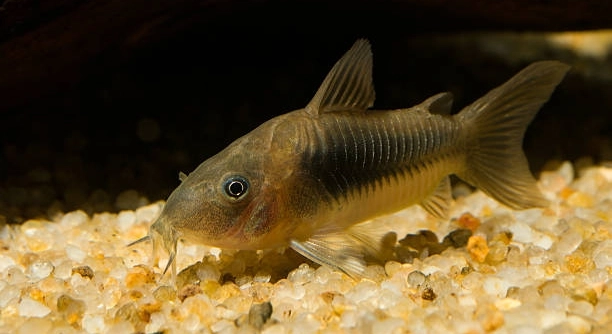
Corydoras catfish are popular aquarium fish, known for their peaceful nature and bottom-dwelling habits. Ensuring they thrive requires maintaining proper water conditions. With a few natural strategies, you can create a healthy environment for your fish.
Maintaining optimal water conditions for Corydoras catfish involves adjusting factors like temperature, pH, and filtration. Natural methods include using plants, proper substrate, and organic additives to improve water quality and ensure a stable and comfortable habitat for the fish.
By following these simple steps, you can enhance your Corydoras catfish’s living space, improving their overall well-being and water quality naturally.
Using Live Plants to Improve Water Quality
Adding live plants to your aquarium can significantly improve water conditions for Corydoras catfish. Plants naturally absorb excess nutrients, helping to prevent algae overgrowth and reduce harmful substances like ammonia and nitrates. They also help oxygenate the water, promoting a healthier environment. Some plants, like java moss and anubias, are particularly beneficial in providing hiding spots and shelter, creating a more natural habitat for your fish.
Aquatic plants act as a natural filter, removing harmful chemicals and promoting better water quality. This can reduce the need for frequent water changes, saving you time and effort. They also enhance the aesthetic appeal of your aquarium, giving it a more vibrant and balanced look.
Incorporating live plants also helps establish a more stable ecosystem in your tank. The plants’ root systems contribute to substrate health, while their growth contributes to biological filtration. Over time, this balance ensures your Corydoras catfish have a consistent and comfortable living space.
Optimizing Substrate for Better Filtration
The type of substrate you use can impact the overall water quality in your tank. Choosing a substrate that promotes proper filtration and minimizes debris buildup is essential.
A fine gravel or sand substrate works best for Corydoras catfish. It allows the fish to sift through the substrate without harming their sensitive barbels. Additionally, it helps trap waste, preventing it from floating freely and affecting water quality. The right substrate can also support beneficial bacteria that break down organic waste, further improving water conditions.
Using Driftwood to Maintain Water Stability
Driftwood helps regulate water conditions in your Corydoras catfish tank by naturally lowering pH levels. It releases tannins into the water, which softens it and creates a more acidic environment. This is beneficial for Corydoras, as they thrive in slightly acidic to neutral water.
Driftwood also provides shelter and hiding spots for Corydoras catfish, allowing them to feel secure in their environment. The submerged wood releases tannins, giving the water a slightly yellow tint, which mimics the catfish’s natural habitat in slow-moving rivers and streams. This creates a more comfortable and familiar environment for the fish.
However, it’s important to monitor the water’s pH levels over time. While driftwood can be a great natural solution, excessive amounts can lead to overly acidic water, which might harm your fish. Keep an eye on the water parameters to ensure it stays within a safe range for your Corydoras.
Adding Almond Leaves for Natural Filtration
Indian almond leaves are another natural way to improve water quality and provide a comfortable environment for Corydoras catfish. These leaves release tannins that help lower pH and have natural antibacterial properties.
Indian almond leaves also create a more natural look in your tank, mimicking the leaves found in the catfish’s native habitat. The release of tannins from the leaves helps to condition the water, promoting a healthy environment for your fish. Additionally, as the leaves break down, they provide food for beneficial microorganisms, contributing to a well-rounded ecosystem.
Corydoras catfish can benefit from the calming effect of the leaves. The lowered pH and soft water can reduce stress and improve their overall health. Just like driftwood, it’s important to monitor water conditions and replace the leaves when necessary to maintain the right balance for your tank.
Adding Bio Media to Filtration
Bio media helps maintain water quality by promoting beneficial bacteria growth. These bacteria break down harmful waste products like ammonia and nitrites, keeping the water cleaner and healthier for your Corydoras catfish. Adding bio media to your filter is an efficient, low-maintenance way to improve tank conditions.
The media provides an ideal surface for bacteria to colonize. As the water flows through the filter, these beneficial microorganisms process waste, preventing toxic buildup and keeping the water balanced. This process reduces the need for frequent water changes and helps maintain stable, healthy conditions for your catfish.
Regular Water Changes
Regular water changes are crucial for maintaining optimal water quality. Even with natural filtration methods, water quality can degrade over time.
Changing about 25% of the water every week helps remove accumulated toxins and restores essential minerals. It also reduces the buildup of organic matter that can affect the fish’s health. Consistency is key to keeping your Corydoras catfish healthy.
Using Activated Carbon for Clean Water
Activated carbon helps remove impurities from the water, such as odors, discoloration, and excess chemicals. It’s a simple and effective way to keep the tank water clean for your fish.
Activated carbon also helps in improving the overall clarity of the water by trapping tiny particles that contribute to murkiness. Using activated carbon in your filter will maintain water purity without interfering with the natural conditions that your Corydoras catfish need to thrive. Regular replacement ensures the carbon remains effective in keeping your tank clean.
FAQ
How often should I change the water for Corydoras catfish?
Corydoras catfish prefer clean water, and regular water changes are essential for their health. It’s generally recommended to change 25-30% of the water every week. If the tank is heavily stocked or has poor filtration, more frequent water changes might be needed. Consistency is key, as it helps to keep ammonia and nitrites at safe levels.
Can Corydoras catfish live in soft water?
Yes, Corydoras catfish thrive in soft water. They naturally come from regions with low mineral content, such as slow-moving streams in South America. Soft water with a slightly acidic pH (around 6.0 to 7.0) mimics their natural habitat. However, it’s important to monitor pH and hardness levels to ensure they stay within an appropriate range.
Do Corydoras need a filter?
Yes, a filter is essential for maintaining healthy water conditions for Corydoras catfish. While Corydoras are bottom dwellers and help keep the substrate clean, a filter removes toxins, such as ammonia and nitrates, and keeps the water circulating. It’s important to choose a filter that provides gentle water flow, as Corydoras prefer calmer conditions.
Can I keep Corydoras catfish in a tank with other fish?
Corydoras catfish are peaceful and generally do well in community tanks. They can be kept with other peaceful fish like tetras, guppies, and other bottom-dwelling species. Avoid aggressive fish that might disturb the catfish. It’s also important to ensure the tank has plenty of hiding spots and space for everyone to coexist peacefully.
What is the best substrate for Corydoras catfish?
A fine, smooth substrate such as sand or fine gravel is ideal for Corydoras catfish. They like to sift through the substrate in search of food, and rough or large gravel can damage their sensitive barbels. Sand also allows for better waste management and prevents debris from floating around.
Do Corydoras catfish need live plants?
While live plants aren’t necessary for Corydoras catfish, they offer several benefits. Plants help improve water quality by absorbing excess nutrients and provide hiding spots, which help reduce stress. Plants also help mimic the catfish’s natural environment, creating a more comfortable and secure space for them.
How can I lower the pH of my tank water naturally?
To lower the pH naturally, you can use materials like driftwood or Indian almond leaves. Both release tannins into the water, which naturally acidify it. Additionally, some aquarium plants, such as mosses, can also contribute to lowering pH. However, it’s important to monitor the water closely to avoid drastic pH shifts, which can stress the fish.
Is it okay to use tap water for Corydoras catfish?
Tap water can be used, but it’s essential to treat it before adding it to the tank. Tap water often contains chlorine or chloramine, which are harmful to fish. Use a water conditioner to neutralize these chemicals. You should also check the hardness and pH levels of your tap water to make sure they fall within a safe range for Corydoras catfish.
How do I prevent algae growth in my Corydoras tank?
To reduce algae growth, maintain a proper light cycle (about 8-10 hours per day), as too much light encourages algae. Regular water changes, good filtration, and adding live plants also help control algae. Be careful not to overfeed your fish, as excess food contributes to algae growth.
Can I feed Corydoras catfish with algae wafers?
Yes, Corydoras catfish can eat algae wafers, but they should not be their sole diet. Algae wafers provide a good source of plant matter but should be supplemented with other foods like sinking pellets, frozen foods, or live foods. A varied diet ensures that your Corydoras receive all the necessary nutrients for health.
What temperature should the water be for Corydoras catfish?
Corydoras catfish prefer water temperatures between 72°F and 78°F (22°C to 26°C). Keep the water within this range to ensure they remain active and healthy. Temperature fluctuations can stress the fish, so it’s important to maintain stable conditions. A reliable aquarium heater can help maintain consistent temperatures.
How can I tell if my Corydoras catfish are stressed?
Stressed Corydoras catfish may exhibit behaviors such as hiding excessively, darting around the tank, or staying at the water’s surface. They may also stop eating or become more aggressive toward tankmates. Stress can be caused by poor water quality, inadequate tankmates, or inappropriate tank conditions, such as temperature or pH imbalances.
Do Corydoras catfish need a high oxygen level in the tank?
Corydoras catfish don’t require particularly high oxygen levels, but it’s important to maintain good water circulation and surface agitation. They are bottom dwellers and will sift through the substrate to find food, so providing a well-aerated environment helps keep them healthy. An efficient filter with gentle water flow is sufficient to maintain oxygen levels.
Can I breed Corydoras catfish in my aquarium?
Yes, Corydoras catfish can be bred in a well-maintained aquarium. They typically breed when water quality is optimal, and the fish are well-fed. Temperature changes, such as slightly cooler water, can trigger breeding behavior. Provide hiding spots for the fry and ensure the water is clean to increase the chances of successful breeding.
How can I tell if my Corydoras catfish are healthy?
Healthy Corydoras catfish are active and social, often swimming in groups and foraging on the tank floor. They have smooth, clear skin with no visible signs of injury or disease. Their barbels should be intact, and they should have a strong appetite. Any change in behavior or appearance may indicate health issues.
Are Corydoras catfish sensitive to water changes?
Corydoras catfish can be sensitive to rapid water changes, especially if the pH, temperature, or hardness fluctuates quickly. Always change water gradually to avoid stressing the fish. Using a water conditioner and testing the water before and after changes can help ensure a stable environment.
How long do Corydoras catfish live?
Corydoras catfish typically live for 5 to 10 years in a well-maintained tank. Their lifespan depends on factors like water quality, diet, and overall care. Ensuring consistent water conditions, providing a balanced diet, and minimizing stress will help your Corydoras live a long, healthy life.
Final Thoughts
Maintaining healthy water conditions for your Corydoras catfish is key to their well-being and longevity. They are relatively easy to care for, but like all aquarium fish, they thrive best in stable, clean environments. Regular water changes, proper filtration, and ensuring the water is free from harmful chemicals can go a long way in keeping your fish healthy. It’s important to also monitor factors such as temperature, pH levels, and hardness to mimic their natural habitat. By staying on top of these conditions, you can create a comfortable and thriving home for your Corydoras.
Aside from water quality, the tank environment itself plays a major role in the health of Corydoras catfish. A tank with a fine, smooth substrate is ideal for these bottom-dwelling fish, as they use their barbels to sift through the sand. They prefer a peaceful atmosphere, so keeping tankmates that are not overly aggressive will reduce stress. You should also ensure there are enough hiding spots in the tank to provide your fish with a sense of security. A stress-free environment is essential to their overall health and happiness.
Lastly, feeding your Corydoras catfish a balanced diet is equally important. While they are bottom feeders, they need a variety of food to meet their nutritional needs. Sinking pellets, live or frozen foods, and even occasional algae wafers will provide the necessary nutrients. Avoid overfeeding, as uneaten food can lead to poor water quality, which can harm the fish. With the right care, your Corydoras catfish will not only thrive but also bring beauty and activity to your aquarium for years to come.

Hello,
If you enjoy the content that we create, please consider saying a "Thank You!" by leaving a tip.
Every little bit helps us continue crafting quality advice that supports the health, happiness, and well-being of pets around the world, for pets of all shapes, sizes, and species.
We really appreciate the kindness and support that you show us!