
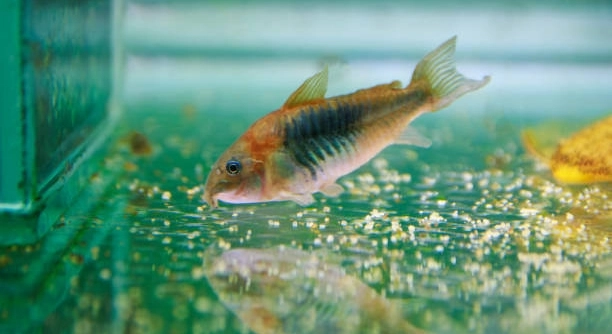
Corydoras catfish are typically active and lively, but when you notice them laying on their side, it could be a sign of something amiss. Understanding the possible causes can help you address the issue effectively.
The main reasons your Corydoras catfish might lay on its side include stress, illness, or poor water conditions. It’s important to check water quality, temperature, and potential tank mates to ensure a healthy environment for your fish.
There are several potential factors at play, and identifying the root cause will help ensure your fish’s well-being. Read on to learn more about these causes and how to remedy them.
Stress from Tank Mates
If your Corydoras catfish is laying on its side, stress from aggressive or overly active tank mates could be the issue. These fish are peaceful and prefer a calm environment. When kept with more aggressive species, they can become stressed, leading to abnormal behavior such as laying on their side. It’s essential to assess the temperament of the other fish in the tank. Corydoras thrive in tanks with peaceful, slow-moving species like tetras or guppies. If you have aggressive fish, consider relocating them or separating them from the Corydoras to reduce stress.
Stress can also come from overcrowding in the tank. A tank that’s too small or overstocked can make your catfish feel threatened. Ensure there’s enough space for each fish, with plenty of hiding spots to create a stress-free environment. Reducing stress is vital to restoring your fish’s health.
If the tank is overcrowded, your fish may struggle to swim freely and find shelter. Make sure to provide enough space and separate any fish that seem to be causing stress to your Corydoras catfish. This will help keep your fish happy and healthy in the long run.
Poor Water Quality
Water quality is one of the most common reasons for health issues in fish. Corydoras catfish are especially sensitive to changes in water conditions. Poor water quality can lead to stress and illness, causing them to lay on their side. Test your aquarium water for ammonia, nitrites, and nitrates. High levels of these toxins can harm your fish.
Regular water changes are essential to maintain a healthy tank. If the water parameters are not within the ideal range for Corydoras, it can lead to them becoming weak and lethargic. Ensure that your filtration system is working properly, as poor filtration can also contribute to water quality problems.
Check the pH levels and temperature regularly, as Corydoras prefer water that’s slightly acidic to neutral (pH 6.5-7.5) and between 72°F to 78°F. Sudden changes in these parameters can also stress your fish. By keeping the water conditions stable, your Corydoras can thrive and avoid laying on their side.
Illness or Infection
Sometimes, when your Corydoras catfish is laying on its side, it’s a sign of illness or infection. Fish are prone to various bacterial, fungal, and parasitic infections. These conditions can cause weakness, making it difficult for your fish to swim properly. When fish are sick, they often become lethargic and may lie on their side near the bottom of the tank.
Signs of illness include faded colors, lack of appetite, and visible sores or lesions on the skin. A common issue is swim bladder disease, which affects a fish’s buoyancy. This can cause them to float unnaturally or lay on their side. To prevent illness, it’s crucial to maintain a clean tank, provide proper nutrition, and avoid overcrowding.
If you suspect your fish is sick, it’s best to isolate it in a quarantine tank to prevent the spread of disease. You may also want to consult an aquarium veterinarian to determine the specific illness and the right treatment for your fish.
Poor Diet and Malnutrition
A poor diet can contribute to your Corydoras catfish’s health problems, including lethargy and abnormal behavior. These fish are bottom feeders and need a balanced diet of sinking pellets, frozen foods, and occasional live foods. Without proper nutrition, Corydoras may become weak and more susceptible to diseases, leading to them laying on their side.
To keep your fish healthy, feed them small amounts several times a day. This will help prevent overfeeding, which can result in water quality issues. A varied diet that includes high-quality sinking pellets, frozen brine shrimp, and other protein-rich foods is essential for their health. Remember to remove uneaten food to avoid polluting the tank.
It’s also important to ensure your fish are getting enough fiber. Vegetables like blanched spinach or zucchini can provide the necessary nutrients. A well-balanced diet will support your Corydoras’ immune system, reducing the likelihood of illness or fatigue that could cause them to lay on their side.
Water Temperature Issues
Corydoras catfish are sensitive to water temperature fluctuations. If the water is too warm or too cold, it can lead to stress, which may cause them to lay on their side. The ideal temperature range for these fish is between 72°F to 78°F. Any significant change outside this range can make them lethargic or uncomfortable.
To avoid temperature-related problems, use an aquarium heater with a reliable thermometer to keep the temperature stable. Sudden drops or spikes can be harmful, so try to maintain consistency. Also, ensure the heater is properly placed in the tank for even warmth distribution. If the water temperature isn’t ideal, it could contribute to the catfish’s unusual behavior.
If the temperature remains unstable, Corydoras may not be able to adjust quickly enough. This can lead to them spending more time resting on their side, unable to maintain normal activity levels. Stabilizing the water temperature is crucial to prevent additional stress on your fish.
Improper Tank Size
Corydoras catfish need enough space to move around freely. A cramped tank can cause stress, leading to abnormal behavior like laying on their side. If your tank is too small for the number of fish or the size of the fish, overcrowding becomes an issue.
Make sure your tank is large enough to accommodate your Corydoras comfortably. A minimum of 20 gallons is recommended for a small group of these fish. Overcrowded conditions increase competition for food and space, which can lead to aggression and stress. To ensure your fish thrive, always follow recommended tank size guidelines based on the number of fish.
Providing adequate space is essential not only for physical comfort but also for their mental well-being. Without enough room to explore, Corydoras may exhibit unusual behaviors like resting more than usual. Giving them enough space will support their natural instincts and health.
Oxygen Deprivation
Corydoras catfish require well-oxygenated water. If the oxygen levels in the tank are too low, it can cause them to become lethargic and lay on their side. This is more common in tanks that are overcrowded or lack proper filtration. Ensure your tank has enough aeration.
Increase water movement or add an air stone to improve oxygen levels in the tank. Proper filtration and surface agitation also help prevent oxygen depletion. When oxygen levels drop, fish can become weak, causing them to rest at the bottom of the tank. Improving aeration can prevent this issue.
By maintaining adequate oxygen levels, your Corydoras catfish can thrive, staying active and healthy. Regularly check water conditions to make sure oxygen is being replenished and your fish are not stressed from poor water circulation.
Swim Bladder Disorder
Swim bladder disorder can cause Corydoras catfish to lose buoyancy, leading to them laying on their side. This condition is often caused by overfeeding, poor water quality, or infections. A fish with swim bladder disorder may struggle to maintain proper buoyancy, affecting their movement.
If you suspect swim bladder disorder, avoid overfeeding your fish. Offer smaller portions of food and make sure to remove any uneaten food from the tank. A balanced diet can prevent this condition from developing. In more severe cases, quarantining the affected fish and treating them with medication might be necessary.
In addition to proper feeding habits, check the water quality regularly. Poor water conditions can contribute to stress and exacerbate swim bladder issues. Addressing both diet and water quality will help your fish recover and avoid this disorder in the future.
Old Age
As Corydoras catfish age, they may naturally become less active, causing them to rest more often. Older fish can sometimes be seen laying on their side due to their slower movement and lower energy levels. This is a normal part of aging.
Older fish may not swim around as much, and their bodies may not be as nimble as they once were. While they may still be healthy, their reduced activity levels can make them appear lethargic. Ensure they are still eating and maintaining good health.
Adjustments such as more frequent water changes and a slightly warmer tank temperature can help older Corydoras feel more comfortable. Providing a stress-free environment will help them enjoy their later years.
FAQ
Why is my Corydoras catfish laying on its side?
There are a few reasons why your Corydoras catfish may be laying on its side. It could be due to stress, poor water quality, overcrowding, illness, or temperature fluctuations. Corydoras are sensitive fish, and any significant change in their environment can cause them to behave abnormally. It’s important to check water parameters such as ammonia, nitrate, nitrite levels, and temperature to rule out water quality issues. If the water is clean and stable, stress from tank mates, overfeeding, or lack of space could be the cause.
What is the best water temperature for Corydoras catfish?
Corydoras catfish prefer a water temperature between 72°F and 78°F. Maintaining a stable temperature within this range is essential for their health. Sudden temperature changes can lead to stress and make them more susceptible to diseases. Using a reliable aquarium heater and thermometer will help keep the temperature consistent. If the water temperature is outside this range, your Corydoras may become lethargic and have difficulty swimming, potentially leading to them laying on their side.
How do I improve water quality for my Corydoras?
To improve water quality, start by regularly testing the water for ammonia, nitrites, and nitrates. A good filtration system is crucial for keeping the water clean, but you should also do routine water changes of about 20-25% every one to two weeks. Make sure to remove any uneaten food, as it can degrade water quality. Using an air stone or additional filtration will help maintain proper oxygen levels in the tank, ensuring your Corydoras stay active and healthy.
Can overcrowding cause Corydoras to lay on their side?
Yes, overcrowding can cause stress, which may lead to your Corydoras catfish laying on its side. When a tank is overcrowded, there is less space for each fish to swim freely, and competition for food and shelter increases. Stress from overcrowding weakens their immune systems and makes them more susceptible to illnesses. Ensure your tank is large enough to accommodate the number of fish you have. A 20-gallon tank is ideal for a small group of Corydoras.
How can I tell if my Corydoras is sick?
A sick Corydoras may display several signs, including fading colors, abnormal swimming behavior, and lack of appetite. If your fish is laying on its side and appears lethargic, it could be a sign of illness. Look for external signs like white spots, sores, or a bloated abdomen. If your fish is exhibiting these symptoms, it might be suffering from an infection, parasite, or swim bladder disorder. Quarantine the affected fish and consult with a veterinarian to determine the right course of treatment.
What should I feed my Corydoras catfish?
Corydoras are bottom feeders and thrive on sinking pellets, frozen foods like bloodworms, and occasional live foods such as brine shrimp. A well-balanced diet is essential for their health. Feed small amounts several times a day, as overfeeding can lead to water quality issues. Make sure to remove any uneaten food after a few hours to avoid contaminating the tank. Providing a variety of foods ensures your Corydoras get the nutrients they need to stay active and healthy.
Can stress affect Corydoras catfish?
Yes, stress can have a significant impact on Corydoras catfish. They are peaceful fish and can become easily stressed by aggressive tank mates, overcrowding, or poor water quality. Stress weakens their immune system, making them more prone to diseases and causing abnormal behavior, like laying on their side. To reduce stress, keep them with other peaceful fish, maintain stable water conditions, and avoid overcrowding. Providing hiding spots and a calm environment will help keep your Corydoras comfortable and reduce stress.
How can I help my Corydoras recover from swim bladder disease?
Swim bladder disease can cause your Corydoras to struggle with buoyancy and lay on its side. To treat swim bladder disorder, start by improving water quality, as poor water conditions can exacerbate the issue. Limit feeding and provide smaller portions of food to avoid overfeeding, which can lead to digestive issues. If your fish is still having difficulty swimming, you may want to try feeding it blanched peas, as they can help with digestion. In severe cases, quarantining the affected fish and treating with medication may be necessary.
Is it normal for Corydoras to lay on their side as they age?
As Corydoras age, they may become less active and spend more time resting at the bottom of the tank, sometimes on their side. This is a natural part of their aging process. Older fish tend to move more slowly and may not have the energy they once did. While it’s normal for them to be less active, make sure they are still eating and maintaining overall health. Providing a stable environment with good water quality will help your older Corydoras remain comfortable during their later years.
How can I prevent Corydoras from laying on their side due to water temperature issues?
To prevent temperature-related issues, maintain a consistent water temperature between 72°F and 78°F. Use an aquarium heater with a thermometer to monitor the temperature regularly. Avoid placing your tank near windows, heaters, or air conditioners, as temperature fluctuations can stress your Corydoras. If the water is too cold or too warm, it can cause your fish to become lethargic, potentially causing them to lay on their side. Stable, appropriate temperatures are key to preventing this behavior.
Can Corydoras recover from laying on their side?
Yes, Corydoras can recover from laying on their side if the underlying cause is addressed. If the issue is poor water quality, stress, or overcrowding, improving the tank conditions should help your fish return to normal behavior. If the problem is related to illness or a disease like swim bladder disorder, proper treatment and isolation may be necessary. Regular monitoring, a stable environment, and a balanced diet will support your fish’s recovery. If the fish doesn’t recover, consult an aquarium expert or veterinarian for further guidance.
Final Thoughts
Corydoras catfish are usually active and social, and it’s concerning when they start laying on their side. While this behavior might indicate a problem, it’s important to remember that there are several potential causes. Water quality, stress, temperature changes, overcrowding, or even illness can lead to such behavior. Understanding these factors can help you identify the root cause and take action to correct the issue. By paying attention to the tank’s environment and the well-being of your fish, you can prevent these problems and ensure a healthier habitat.
Maintaining proper water quality is the most crucial step in keeping your Corydoras healthy. Regular water changes, monitoring water parameters, and keeping the tank clean will go a long way in preventing stress and illnesses. Additionally, a stable temperature is key, as sudden changes can shock these sensitive fish. Avoid overcrowding and be sure to provide enough space for each fish to swim comfortably. A calm, peaceful environment is essential for reducing stress, which can negatively impact your Corydoras. When in doubt, consider quarantining any affected fish until the problem is resolved.
If you notice that your Corydoras catfish is consistently laying on its side despite addressing potential issues, seeking expert advice is recommended. Sometimes, the underlying problem may require professional treatment, such as medication for diseases like swim bladder disorder. With the right care and attention, most Corydoras can recover and continue to thrive in your aquarium. Remember that these fish are resilient, and with the proper environment, they can live long, happy lives. By keeping an eye on their behavior and making timely adjustments, you can provide the best care possible for your Corydoras.

Hello,
If you enjoy the content that we create, please consider saying a "Thank You!" by leaving a tip.
Every little bit helps us continue crafting quality advice that supports the health, happiness, and well-being of pets around the world, for pets of all shapes, sizes, and species.
We really appreciate the kindness and support that you show us!