
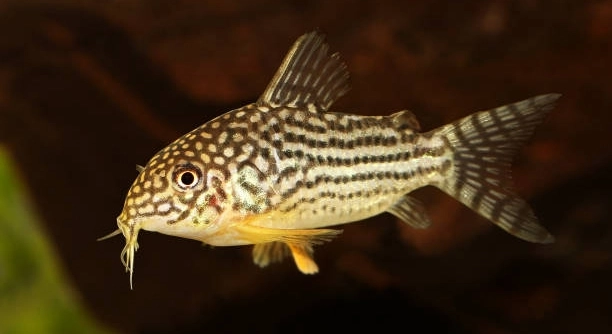
Corydoras catfish are popular aquarium fish, known for their peaceful nature and unique behaviors. However, understanding when they might be fighting can be tricky. Observing their interactions can help you identify any signs of aggression or conflict.
The simplest way to determine if your Corydoras catfish is fighting is to observe their body language and behavior. Signs include chasing, fin nipping, and territorial aggression. These behaviors are indicators of a possible fight or dominance dispute.
Knowing when your Corydoras catfish are stressed or in conflict can help maintain a peaceful tank environment.
Understanding Corydoras Catfish Behavior
Corydoras catfish are generally peaceful creatures, but like all fish, they can show signs of aggression or stress. Often, this aggression can be mistaken for normal social behavior, so it’s important to distinguish between the two. In most cases, Corydoras are known for their calm, bottom-dwelling nature. However, when they feel threatened, stressed, or are competing for resources, they may exhibit behaviors that suggest a fight.
These fish are social and thrive in groups, but overcrowding or territorial disputes can lead to fighting. If you notice any signs of aggression, it is essential to assess the situation quickly to avoid long-term stress or harm to your fish. Keeping a close eye on your Corydoras catfish can help ensure they stay healthy and peaceful.
Sometimes, aggression in Corydoras catfish can be related to the introduction of new fish or changes in tank conditions. A sudden shift in water quality, for example, can make even the calmest fish anxious.
Signs of Corydoras Catfish Fighting
The most common signs of Corydoras catfish fighting include chasing, fin nipping, and physical confrontations. These behaviors typically occur when there is a territorial dispute or one fish is asserting dominance over others. Observing these actions can help you determine if your fish are fighting or simply engaging in normal social behavior.
If fighting occurs frequently, it might indicate overcrowding or an imbalance in the tank’s ecosystem. Stress can result in weakened immune systems, which could lead to health issues if left unchecked.
Monitoring your tank’s environment is crucial to prevent further aggression. Ensuring the tank is properly maintained with enough space for each fish can alleviate many of these problems. In the event that fighting persists, separating the aggressive individuals may be necessary to prevent harm.
Reasons for Aggression in Corydoras Catfish
Aggression in Corydoras catfish often stems from territorial disputes or stress due to environmental changes. Overcrowding, inadequate hiding spots, or improper water conditions can make these peaceful fish feel threatened, leading to aggressive behaviors like chasing or fin nipping.
Fish are naturally territorial, especially if resources like food or hiding spots are limited. If your Corydoras catfish feel crowded or unable to establish their space, they may fight to claim territory. This behavior is especially common when introducing new fish into an established tank. Additionally, stress from fluctuating water parameters—such as temperature, pH, or ammonia levels—can trigger aggressive tendencies. Maintaining stable conditions is key to keeping them peaceful.
To avoid aggression, make sure the tank is large enough to accommodate multiple fish comfortably. Also, ensure there are enough hiding spaces and places for your Corydoras to explore. Keeping the tank clean and balanced can significantly reduce stress and prevent fighting.
How to Minimize Fighting Between Corydoras
Creating a more harmonious environment for your Corydoras involves proper tank setup and monitoring. Make sure the tank has plenty of space, hiding spots, and soft substrate, as Corydoras are bottom dwellers and need room to forage without getting in each other’s way.
By adding plants, rocks, or driftwood to the tank, you can break up territories, reducing the chance of fish fighting. Ensure that the group of Corydoras is large enough (at least five to six fish) to distribute aggression and prevent any one fish from being targeted. A well-planted tank with varied structures also gives them a sense of security, reducing stress and keeping aggression at bay.
Pay attention to your water conditions. Testing the water regularly for ammonia, nitrite, and nitrate levels, along with maintaining a consistent temperature, will help prevent stress that could lead to fighting. Stability in the tank’s environment encourages a peaceful and healthy setting for your fish.
Signs of Stress in Corydoras Catfish
When Corydoras catfish are stressed, they may display unusual behaviors such as hiding more than usual, erratic swimming, or sudden bursts of energy. These signs can point to poor water quality or discomfort from tankmates.
If your Corydoras are frequently darting around the tank or staying near the bottom in a corner, they might be stressed. Constant hiding or staying still can indicate that they feel unsafe or overwhelmed by their environment. Stress can lower their immune system, making them more susceptible to illness, so monitoring these signs is essential.
Addressing Aggressive Tankmates
Sometimes, other fish in the tank may provoke aggression in Corydoras. Larger or more territorial species can stress out your peaceful catfish, leading to fighting or retreating. Adjusting the tank’s fish population can help keep your Corydoras comfortable.
If you notice aggression from other fish, consider rearranging the tank to disrupt established territories. This can help reduce conflicts and allow your Corydoras to feel more secure. In some cases, removing overly aggressive tankmates may be necessary to preserve the harmony in your tank.
Tank Size and Corydoras Behavior
Corydoras catfish need plenty of space to swim and explore. A small tank can lead to overcrowding, which can trigger aggression and stress. A larger tank ensures that each fish has enough room to establish its own territory, helping to reduce conflicts.
A spacious tank with enough hiding spots and gentle filtration encourages a peaceful environment. With ample room, Corydoras can interact without feeling crowded or threatened.
FAQ
Why is my Corydoras catfish chasing others?
Chasing can be a sign of territorial behavior or dominance. Corydoras are typically peaceful, but if they feel threatened or are competing for resources, they may chase other fish to assert control over a space. Overcrowding or insufficient hiding spots can make them more aggressive.
Make sure your tank has enough space and places for each fish to claim as their own. A tank that’s too small or lacking in hiding spots will lead to more conflicts. If chasing continues, consider separating particularly aggressive fish or adjusting your tank layout.
What does fin nipping mean in Corydoras?
Fin nipping occurs when one Corydoras catfish bites or nips at another’s fins. This behavior can stem from competition, stress, or boredom. When Corydoras feel overcrowded or insecure, they may start fin nipping as a way to establish dominance.
To prevent fin nipping, ensure your Corydoras are housed in a well-maintained tank with enough space and hiding places. Additionally, ensuring a varied diet and monitoring the water conditions can help reduce stress and aggression in your fish.
Can Corydoras catfish get along with other fish?
Corydoras catfish are typically peaceful and get along with most other fish, especially those that are similarly peaceful. They are bottom dwellers, so they tend to keep to themselves. However, they may struggle with aggressive or territorial tankmates that invade their space or food supply.
Before adding any new fish, research their temperament and compatibility with Corydoras. Avoid aggressive species that may bully your catfish. Adding fish that occupy different areas of the tank can help minimize conflict.
How do I know if my Corydoras catfish are stressed?
Stressed Corydoras may exhibit behaviors such as erratic swimming, hiding excessively, or staying near the tank’s bottom. Stress can also cause them to stop eating or become lethargic. These behaviors are signs that something in the environment isn’t ideal for your fish.
Check your water quality, temperature, and tank conditions. Stress in Corydoras can result from poor water parameters, overcrowding, or even the presence of aggressive tankmates. Fixing these issues can help your fish feel safer and reduce their stress levels.
Why are my Corydoras catfish not eating?
If your Corydoras catfish stop eating, it could be due to stress, water quality issues, or illness. Corydoras are known for being bottom feeders and may refuse food if the environment is not optimal. Stress can also make them lose their appetite.
Test the water for ammonia, nitrites, and nitrates, as poor water conditions often lead to a loss of appetite. Also, ensure that the food is appropriate for Corydoras and that it’s being offered at the right time. If they continue not eating, check for signs of illness.
Can I keep Corydoras catfish with other bottom feeders?
Yes, you can keep Corydoras catfish with other bottom feeders, as long as they are non-aggressive and have similar care requirements. Some species of catfish, like loaches or plecos, make good tankmates since they occupy different areas of the tank.
Make sure there is enough food for everyone. Corydoras and other bottom-dwelling fish can sometimes compete for food, so having a variety of feeding zones can prevent conflict. Monitor their interactions to ensure they’re not stressing each other out.
What water temperature is best for Corydoras catfish?
Corydoras catfish thrive in water temperatures between 72°F and 78°F (22°C to 25°C). Temperatures outside this range can cause stress, weaken their immune system, and make them more susceptible to diseases. It’s important to maintain a stable temperature for their overall well-being.
A reliable aquarium heater and thermometer can help keep the water at the right temperature. Avoid rapid fluctuations in temperature, as this can stress your Corydoras. Regular water changes also help maintain a stable environment.
Can Corydoras catfish live with aggressive fish?
Corydoras catfish do not typically do well with aggressive fish. These catfish are peaceful bottom dwellers and can be bullied by more aggressive or territorial species. It’s best to keep Corydoras with non-aggressive fish that do not compete for the same space or food.
Species like tetras, rasboras, or peaceful livebearers are generally safe tankmates for Corydoras. Always avoid adding fish that could potentially harm or stress your catfish, as this will affect their health and behavior.
How often should I feed my Corydoras catfish?
Corydoras catfish should be fed once or twice a day, depending on the amount of food they consume in one feeding. They are scavengers and often feed from the substrate, but it’s important to provide them with high-quality, nutrient-rich food to meet their dietary needs.
Overfeeding can lead to water quality issues, so only provide as much food as your fish can eat within a few minutes. Remove any uneaten food to prevent it from decomposing and impacting water conditions.
What should I do if my Corydoras catfish is injured?
If a Corydoras catfish gets injured, first check the tank for any sharp objects or aggressive fish that may have caused the injury. If the injury is minor, it may heal on its own, but monitor the fish for signs of infection, such as swelling or redness.
Ensure the water quality is optimal, as poor water conditions can slow down the healing process. If the injury looks severe or if the fish shows signs of infection, consider isolating it in a hospital tank and administering appropriate treatment.
Final Thoughts
Understanding how to tell if your Corydoras catfish is fighting or stressed is important for maintaining a healthy tank environment. While these fish are generally peaceful, various factors like overcrowding, poor water quality, or aggressive tankmates can cause them to display unusual behaviors. Observing signs of stress, such as erratic swimming or excessive hiding, can help you identify and address potential issues before they worsen. Keeping an eye on your catfish’s behavior will ensure they stay healthy and active in your aquarium.
Creating a stress-free environment is key to preventing conflicts and aggression among your Corydoras. Providing adequate space, clean water, and a peaceful tank setup will help your fish feel secure. If you notice any signs of aggression, such as chasing or fin nipping, it’s essential to act quickly by adjusting tank conditions or separating aggressive fish. Ensuring that your Corydoras have plenty of hiding spots and companions of similar temperament can help maintain their well-being.
Ultimately, keeping Corydoras catfish happy and healthy requires consistent monitoring and care. Regularly check water parameters, ensure that your fish have enough food, and be mindful of the social dynamics in your tank. With proper attention to these factors, your Corydoras will thrive in your aquarium, creating a calm and balanced environment for all the fish in your tank. By paying close attention to their needs, you can enjoy watching these peaceful and charming catfish without worry.

Hello,
If you enjoy the content that we create, please consider saying a "Thank You!" by leaving a tip.
Every little bit helps us continue crafting quality advice that supports the health, happiness, and well-being of pets around the world, for pets of all shapes, sizes, and species.
We really appreciate the kindness and support that you show us!