
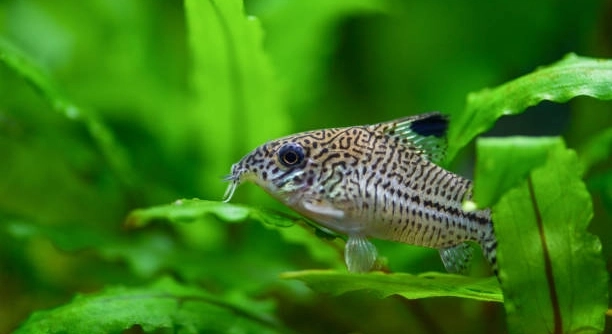
Corydoras catfish are popular aquarium fish known for their bottom-dwelling habits. If your Corydoras isn’t spending time at the bottom of the tank, it can be concerning. Understanding the reasons behind this behavior will help you provide better care for your fish.
The most common reasons your Corydoras catfish avoids the bottom of the tank include poor water quality, stress, illness, or a lack of food. Environmental factors like water temperature and tank setup can also influence their behavior.
By addressing these potential causes, you can help your Corydoras feel more comfortable in its environment. Let’s take a closer look at each factor so you can get your fish back on track.
Water Quality and Tank Cleanliness
Water quality is one of the most important factors when it comes to your Corydoras catfish’s behavior. These fish are sensitive to pollutants and toxins, and if the water in your tank is not properly maintained, they may avoid the bottom. Poor water quality can lead to stress and discomfort, making it difficult for the fish to thrive. Regular water changes, filtration, and monitoring the water parameters are essential to creating a healthy environment for your Corydoras.
The ideal water parameters for Corydoras catfish are a temperature between 72°F and 79°F (22°C to 26°C), a pH level of 6.0 to 7.5, and soft to medium-hard water. Regular testing of ammonia, nitrite, and nitrate levels is necessary to ensure safe conditions for your fish.
To maintain good water quality, you should invest in a good filtration system that helps remove waste and excess food from the water. Additionally, doing partial water changes of 20-30% every week will help keep the tank clean. Regularly cleaning the substrate and decorations also reduces the risk of harmful bacteria and algae buildup that could stress your fish. The cleaner the tank, the healthier your Corydoras will be.
Stress and Environmental Factors
Stress is another common reason your Corydoras might avoid the bottom of the tank.
Overcrowding, aggressive tank mates, and sudden changes in the tank environment can all contribute to your fish feeling stressed. Corydoras are peaceful fish and thrive in calm, stable conditions. If they feel threatened or uncomfortable, they may seek shelter in higher areas of the tank.
Stress can also be caused by factors such as sudden temperature fluctuations or bright, harsh lighting. Corydoras prefer dim lighting, as they are naturally more active during dusk and dawn in the wild. It’s important to provide hiding spots such as plants, rocks, or caves where your fish can retreat and feel secure. Reducing stress by keeping their environment consistent and peaceful will encourage your Corydoras to spend more time near the bottom where they feel most at home.
Illness and Health Issues
If your Corydoras catfish is avoiding the bottom of the tank, illness could be a factor. Fish suffering from diseases or parasites may become less active and choose to stay at the top or mid-levels of the tank.
Common illnesses like fin rot, swim bladder disease, or external parasites can lead to swimming difficulties, causing your Corydoras to avoid the bottom. Keep an eye out for any signs of abnormal swimming patterns, bloating, or visible sores. A sick fish will often appear lethargic and may struggle with balancing in the water.
Treatment is essential to help your Corydoras recover. Quarantine the affected fish if necessary and administer the appropriate medication for the illness. Ensure the water quality is optimal to support recovery and avoid further stress. If you notice ongoing issues, consult with a fish vet to determine the best course of action for your fish’s health.
Inadequate Food or Feeding Habits
Corydoras are bottom-feeding fish, and they rely on food settling at the bottom of the tank.
If there isn’t enough food or it’s not properly distributed, your Corydoras may stop spending time at the bottom. Fish are creatures of habit and may associate the bottom with feeding times. When their food source is unavailable, they may move to the middle or top of the tank in search of food.
To resolve this issue, try offering a variety of foods designed for bottom feeders, such as sinking pellets or wafers. Additionally, ensure you’re feeding the right amount and not overfeeding, as excess food can cause water quality problems. Monitoring their eating habits and making sure they have access to food at the bottom will help encourage them to return to their usual resting place.
Tank Setup and Space
A cramped or unsuitable tank setup can cause your Corydoras to avoid the bottom. They need plenty of space to swim and explore.
If your tank is overcrowded or lacks hiding spots, your fish may feel stressed and unsafe. Overcrowding leads to competition for resources, forcing your Corydoras to swim away from the bottom to avoid conflict. Ensure the tank has enough room for all inhabitants and provide hiding spots for them to feel secure.
Water Temperature
Water temperature plays a big role in your Corydoras’ behavior. These fish prefer stable temperatures between 72°F and 79°F.
If the water is too cold or fluctuates too much, your Corydoras may become lethargic and avoid spending time at the bottom. Cold water can slow down their metabolism, making them less active. Ensure the water heater is working properly, and keep an eye on the temperature to avoid sudden drops or spikes.
Lighting Conditions
Bright, harsh lighting can make your Corydoras feel uncomfortable. These fish are naturally more active during the evening and prefer low-light conditions.
Bright lights in the tank can stress your fish, making them less likely to settle at the bottom. Consider using dimmer lights or keeping the tank light on a timer to mimic natural day and night cycles. Providing shaded areas in the tank also helps your Corydoras feel secure.
FAQ
Why is my Corydoras catfish swimming at the top of the tank?
If your Corydoras is swimming at the top, it could be due to poor water quality or oxygen levels. Fish that are struggling to breathe may rise to the surface where the oxygen concentration is higher. Check your water parameters, and if ammonia or nitrite levels are high, perform a water change immediately. Low oxygen levels could indicate inadequate filtration or poor water circulation. Ensure your filter is working properly and consider adding an air pump to increase water oxygenation.
Can Corydoras catfish tolerate cold water?
Corydoras catfish prefer temperatures between 72°F and 79°F (22°C to 26°C). They can tolerate slightly cooler water, but if the temperature drops below 70°F (21°C), it can stress them and affect their health. Consistent temperature fluctuations or cold water can also impact their immune system and make them more susceptible to diseases. Invest in a reliable heater to maintain stable conditions in the tank.
How often should I feed my Corydoras catfish?
Corydoras are bottom feeders and prefer to eat small amounts several times a day. Feed them once or twice a day, offering sinking pellets or wafers designed for bottom-dwelling fish. Be careful not to overfeed, as leftover food can pollute the water and cause health problems. Watch how much your Corydoras eat in a few minutes, and remove any uneaten food to maintain good water quality.
What kind of tankmates are best for Corydoras catfish?
Corydoras catfish are peaceful and get along well with most other non-aggressive fish. They make excellent tankmates for species like tetras, guppies, and mollies. Avoid keeping them with overly aggressive fish, such as large cichlids or fin-nipping species, as they may stress your Corydoras and prevent them from feeling comfortable near the bottom. When choosing tankmates, always consider the temperament and size of the other fish.
Can Corydoras catfish live alone?
Corydoras are social creatures and do best in groups of at least three to six individuals. They feel safer and are more active when in a group, as they can interact and bond with each other. Keeping just one Corydoras might make it feel lonely or stressed, leading to unusual behavior such as avoiding the bottom of the tank. Adding a few more Corydoras will help your fish feel more secure.
Why is my Corydoras hiding all the time?
If your Corydoras is hiding, it could be due to stress, illness, or poor water conditions. Corydoras prefer to have hiding spots to retreat to, but if they’re spending too much time in these areas, it may indicate that something is wrong. Check your tank for any aggressive tankmates or overcrowding issues. Also, make sure the water is clean and at the right temperature. If the hiding persists, consider checking for signs of illness or parasites that could be affecting your fish.
How can I tell if my Corydoras is sick?
A Corydoras that is sick may show signs such as lethargy, abnormal swimming behavior, bloating, or difficulty breathing. You might notice discoloration or visible sores on the body or fins. Additionally, if your Corydoras isn’t eating or seems to be having trouble staying balanced, these could be signs of a health problem. If you observe these symptoms, isolate the affected fish and consult a fish vet or start a course of treatment based on the issue you’re facing, whether it be a parasite or bacterial infection.
Do Corydoras catfish need a filter?
Yes, Corydoras catfish benefit from a filter in the tank. They thrive in clean water, and a good filtration system helps remove debris, excess food, and waste that can harm the fish. A filter keeps the water oxygenated, which is crucial for the well-being of your Corydoras. Be sure to maintain your filter and clean it regularly to ensure proper functioning. A filter will also help to reduce the frequency of water changes by keeping the water quality stable.
Can Corydoras live with live plants?
Yes, Corydoras catfish can live happily with live plants. In fact, live plants can provide additional hiding spaces, improve water quality by absorbing nitrates, and give your Corydoras a more natural environment. Just ensure that the plants are not toxic to fish and that they are safe to be kept in the tank. Plants like Java ferns, Anubias, and Amazon swords are great choices, as they can thrive in the same conditions Corydoras prefer.
How do I help my Corydoras feel more comfortable in the tank?
To help your Corydoras feel comfortable, create a peaceful, stable environment with proper water parameters. Provide hiding spots such as plants, rocks, or caves, as they like to have places to retreat to when they feel threatened. Avoid bright lights and consider dimming the tank lighting or providing shaded areas. Regularly check the water temperature, and ensure it’s within the ideal range. Maintaining a low-stress environment with compatible tankmates is essential for your Corydoras to thrive.
Final Thoughts
Understanding why your Corydoras catfish is avoiding the bottom of the tank can be a bit of a puzzle. However, by examining key factors like water quality, stress, and health, you can often pinpoint the issue and take steps to resolve it. Corydoras are generally peaceful and hardy fish, but they do have specific needs that must be met for them to thrive. By ensuring the water is clean, the tank setup is appropriate, and the environment is calm, you can help your Corydoras feel more comfortable and return to their usual behavior.
Another important aspect to consider is the behavior of other fish in the tank. Corydoras are bottom dwellers, and they can be easily stressed by aggressive or overly active tankmates. Ensuring a peaceful community tank will go a long way in making sure your Corydoras feels safe and secure. It’s also crucial to keep an eye on their diet, as the wrong type of food or inadequate feeding can impact their well-being. Offering sinking food that’s suited to bottom feeders can help them stay nourished and happy.
Lastly, it’s essential to monitor your Corydoras regularly to catch any signs of illness early. These fish are quite good at hiding symptoms, but if they’re consistently avoiding the bottom or showing other signs of distress, it’s important to investigate further. By keeping an eye on their behavior and the overall health of the tank, you can ensure that your Corydoras will continue to be a happy and active member of your aquarium.

Hello,
If you enjoy the content that we create, please consider saying a "Thank You!" by leaving a tip.
Every little bit helps us continue crafting quality advice that supports the health, happiness, and well-being of pets around the world, for pets of all shapes, sizes, and species.
We really appreciate the kindness and support that you show us!