
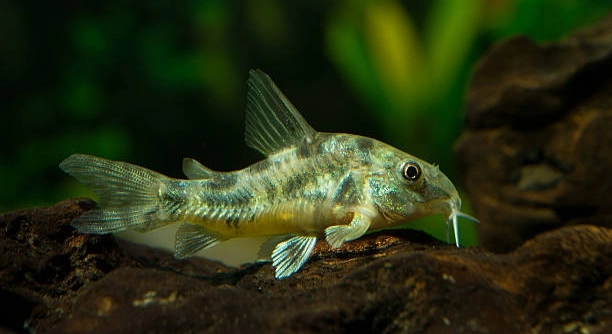
Corydoras catfish are known for their calm, peaceful nature, but if you’ve noticed them jumping out of the water, you might be wondering why this behavior is happening. Understanding their habits can help prevent stress and keep your fish healthy.
Corydoras catfish typically jump due to environmental stressors, including poor water conditions, lack of space, or incorrect tank setup. They may also jump in response to fear, poor water quality, or inadequate filtration, which can cause discomfort.
Identifying and addressing the root cause will improve your fish’s well-being and help you create a more comfortable environment. Continue reading to discover the common reasons behind this behavior and how to resolve them.
Poor Water Quality
Water quality is one of the main reasons your Corydoras catfish might be jumping. If the water in your tank has high levels of toxins like ammonia or nitrites, it can make your fish stressed. These toxins can build up when there is poor filtration or overfeeding, leading to an unhealthy environment. Low oxygen levels or fluctuating temperatures can also contribute to poor water quality and cause your fish to jump in an attempt to escape the discomfort.
A good practice is to test the water regularly and ensure it stays within safe ranges. Ammonia and nitrites should be kept at zero, while nitrates should be under 20 ppm. Make sure your filter is working properly and cleaning the water efficiently. Regular water changes are essential to maintaining a healthy tank.
Maintaining proper water quality ensures your Corydoras stay healthy and reduces the likelihood of jumping. By making these changes, you can help create a stable and comfortable environment for your fish.
Fear or Stress
Corydoras can jump when they are frightened or stressed. Sudden movements, loud noises, or the presence of aggressive tankmates can make them feel unsafe. When your fish feel threatened, they might leap out of the water in an attempt to escape.
It’s important to observe the tank’s environment closely. Avoid sudden changes in the setup and keep the area around the tank calm.
Tank Setup and Space
If your Corydoras catfish don’t have enough space to swim or hide, they may jump to find a better area. Overcrowding is a common problem in fish tanks, especially when multiple species are present. Corydoras need space to move around comfortably, and without it, they can become stressed and more prone to jumping.
A properly sized tank should offer plenty of swimming room. Avoid overcrowding by keeping the fish-to-gallon ratio in check. Make sure your tank has enough hiding spots using plants, decorations, and caves to create a secure environment. A lack of hiding spaces can contribute to stress and more jumping.
Giving your Corydoras ample space and safe places to hide will lower their anxiety and reduce the likelihood of jumping. This will help them thrive in a more comfortable, natural setting.
Water Temperature Fluctuations
Corydoras are sensitive to sudden changes in water temperature. If the temperature drops too low or increases too quickly, your fish may become stressed and leap out of the tank to avoid discomfort. A stable environment is essential for their well-being, so temperature fluctuations should be avoided at all costs.
Investing in a reliable aquarium heater with a thermostat can help maintain a constant water temperature. It’s important to monitor the temperature regularly and make adjustments as needed. Corydoras prefer temperatures between 72°F and 78°F (22°C – 26°C). Too much variation can make your fish uneasy and increase their chances of jumping.
By keeping the temperature stable and within the recommended range, you can create a comfortable environment that minimizes stress for your Corydoras and reduces their need to jump.
Inadequate Filtration
If your filtration system isn’t working well, it can lead to poor water quality, which may make your Corydoras jump. A weak filter won’t remove harmful toxins or maintain clean water, making it harder for your fish to thrive. This can lead to increased stress and erratic behavior.
Make sure your filter is suitable for the tank size and type of fish you have. Regularly clean the filter to keep it functioning properly. A powerful and efficient filter will help maintain a stable environment, keeping your Corydoras happy and reducing the chances of them jumping.
Tankmates
Corydoras can become stressed if housed with aggressive or territorial fish. This stress can lead to jumping as they try to escape from their more dominant tankmates. It’s important to choose peaceful companions that won’t threaten or bully your Corydoras.
Be mindful of the temperament of the other fish in the tank. Corydoras do best with species that are calm and non-aggressive. Adding more hiding places or rearranging the tank layout can also help ease territorial disputes and reduce stress.
Poor Diet
A poor diet can also affect the behavior of your Corydoras. If they aren’t getting the right nutrients, they may become weak, stressed, or agitated, which could cause them to jump. Proper nutrition is key to their health and comfort.
Ensure that you’re feeding them a well-balanced diet with quality pellets, flakes, or frozen foods. Avoid overfeeding, as leftover food can pollute the water. A proper diet will help keep your Corydoras healthy, reducing stress and the urge to jump.
FAQ
Why is my Corydoras jumping out of the water?
Corydoras jump out of the water primarily due to stress. This can be caused by poor water conditions, temperature fluctuations, overcrowding, or even fear from aggressive tankmates. The jumping is a sign that they are uncomfortable or trying to escape an environment that doesn’t feel safe or healthy. To reduce this behavior, it’s essential to ensure your water quality is stable, the temperature is consistent, and the tank provides enough space for your fish to move freely.
Can poor water quality cause Corydoras to jump?
Yes, poor water quality is one of the leading causes of jumping. Ammonia, nitrites, and high nitrate levels can be toxic to Corydoras and cause them significant stress. When the water is polluted or improperly filtered, it can lead to discomfort for the fish, which may result in them jumping to escape. Regular water testing and partial water changes are crucial to maintain a healthy environment for your fish.
How do I stop my Corydoras from jumping?
To stop your Corydoras from jumping, first ensure that their tank is properly set up. This includes keeping the water quality high by using an efficient filtration system, maintaining a stable water temperature, and providing enough space for swimming. Additionally, make sure they have peaceful tankmates and avoid overcrowding. Consider installing a lid or cover for the tank to prevent them from leaping out.
What is the ideal tank setup for Corydoras to avoid jumping?
An ideal tank setup for Corydoras should have enough space, hiding spots, and gentle filtration. A tank of at least 20 gallons is recommended for a small group of Corydoras. Ensure the water is well-oxygenated and free of harmful toxins by maintaining an efficient filtration system. Adding plants, caves, and decorations can create a more secure environment. Corydoras are bottom dwellers, so providing soft substrate like sand or fine gravel will keep them comfortable.
What water temperature is best for Corydoras?
Corydoras thrive in water temperatures between 72°F and 78°F (22°C – 26°C). Temperatures outside this range can cause stress, leading to jumping behavior. Keep a reliable aquarium heater with a thermometer to monitor the temperature and avoid fluctuations. Sudden temperature changes can shock the fish, so it’s important to maintain consistency.
Do Corydoras need tank mates?
Corydoras are social fish and prefer to live in groups, so it’s a good idea to keep at least 3-5 of them together. They can also live with other peaceful species. However, tankmates should be calm and non-aggressive to avoid causing stress. Avoid keeping Corydoras with fish that might bully them, as this will likely lead to stress and jumping.
Can Corydoras survive in a small tank?
While Corydoras can live in smaller tanks, they need plenty of swimming space and should not be overcrowded. A small tank of less than 10 gallons is not ideal for multiple Corydoras, as they require room to swim and hide. For a single Corydoras, a 10-gallon tank can work, but for a group, a 20-gallon tank or larger is recommended to ensure a healthy and comfortable environment.
How often should I clean my Corydoras tank?
Tank cleaning depends on the size of the tank and the number of fish. Regular water changes of 25-30% every 1-2 weeks are recommended. In addition to this, you should clean the substrate to remove uneaten food, debris, and waste. Regularly check the filter to ensure it is working efficiently. Keeping the tank clean is crucial for maintaining the water quality and preventing any stressors that could lead to jumping.
What type of food is best for Corydoras?
Corydoras are omnivores and will enjoy a varied diet. High-quality sinking pellets or tablets are ideal for them, as they spend most of their time at the bottom of the tank. Supplement their diet with frozen or live foods like bloodworms, brine shrimp, and daphnia. It’s also a good idea to offer some vegetable matter, such as blanched spinach or zucchini, to ensure they get a balanced diet. Avoid overfeeding to prevent water contamination and reduce stress.
Can Corydoras jump even if they’re healthy?
While jumping is often a sign of stress, healthy Corydoras can still jump occasionally, especially if they feel threatened or startled. It’s important to observe their behavior closely and ensure that nothing in their environment is triggering this response. If jumping continues despite a healthy tank setup, consider adjusting the water conditions or tankmates to create a more peaceful environment.
Final Thoughts
Corydoras catfish are generally peaceful and calm, but when they start jumping out of the water, it’s often a sign of stress. There are several factors that can contribute to this behavior, such as poor water quality, incorrect water temperature, lack of space, and aggression from tankmates. Understanding these causes is the first step toward solving the problem and ensuring your fish remain healthy and comfortable in their environment. By addressing these factors, you can create a more suitable habitat for your Corydoras, reducing their stress and the likelihood of them jumping.
Maintaining a stable and healthy tank environment is essential for your Corydoras. Regular water changes, proper filtration, and consistent water temperature can all go a long way in preventing stress-related behaviors like jumping. Additionally, ensuring that your fish have enough space to swim and hiding spots to feel secure is important for their well-being. Tankmates should be chosen carefully, as aggressive fish can cause undue stress. By keeping your Corydoras in a peaceful, well-maintained tank, you’ll help them thrive and reduce the chances of them leaping out of the water.
Finally, understanding the needs of your Corydoras and observing their behavior closely is key to preventing stress. If jumping continues despite proper tank conditions, it may be helpful to seek advice from a professional or experienced fish keeper. In some cases, minor adjustments to their setup or diet can make a significant difference. With proper care and attention, your Corydoras can live a happy, healthy life without the need to jump out of the water.

Hello,
If you enjoy the content that we create, please consider saying a "Thank You!" by leaving a tip.
Every little bit helps us continue crafting quality advice that supports the health, happiness, and well-being of pets around the world, for pets of all shapes, sizes, and species.
We really appreciate the kindness and support that you show us!