
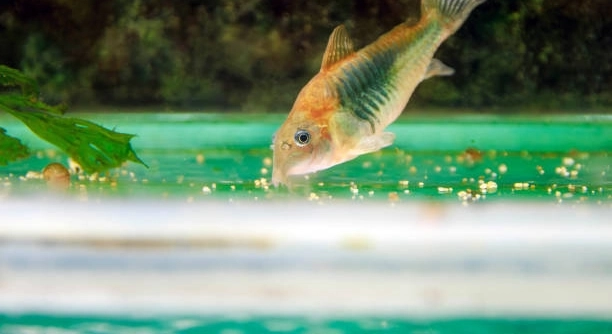
Do you ever find yourself watching your corydoras catfish and wondering if they might be eating too much food each day?
The easiest way to tell if your corydoras catfish is overfed is by observing signs like a bloated belly, leftover food, and sluggish behavior. Overfeeding can lead to health issues and poor water quality in the tank.
Learning what to watch for can help prevent problems and keep your fish healthy, active, and enjoying a clean, safe environment.
Common Signs Your Corydoras Is Overfed
Overfeeding corydoras catfish is more common than people think. These small bottom-dwellers don’t need large amounts of food, and their slow eating habits make it easy to go overboard. One of the first signs is uneaten food sitting on the tank floor. This extra food can quickly break down and cloud the water. You might also notice your corydoras swimming less or seeming sluggish, especially after meals. A bloated belly is another clear signal, and their usual streamlined shape may start to look rounder. Waste production can also increase, leading to more frequent filter clogs and unpleasant odors. Some corydoras may stop foraging or sifting through the substrate, which is part of their natural behavior. Their appetite might also go down if they’ve had too much food. Watching these changes closely can help you make small adjustments to their feeding routine and keep their tank clean and healthy.
Too much food sitting in the tank doesn’t just affect the fish — it harms the water quality too.
Checking your tank regularly for leftover bits and slow behavior can help you know if your feeding schedule needs to change. Small signs often appear before major problems. By responding early, you give your fish a better chance at staying well.
What Happens When You Feed Too Much
Overfeeding affects more than just your corydoras — it affects the whole tank.
When excess food stays uneaten, it starts to rot and releases harmful substances like ammonia into the water. This can lead to stress and even illness in your corydoras, especially since they spend most of their time near the tank bottom where these toxins settle. Bloating and digestive issues are also common when fish are fed more than they need. Corydoras have small stomachs, and when they’re given too much, it can slow their movements and make them more vulnerable to stress. You might see them gasping more at the surface or hiding more often. Another issue is the disruption of natural behavior. Well-fed corydoras are active and curious. Overfed ones often lose interest in foraging or become overly still. Water conditions can worsen quickly, which creates extra work for you too, such as more water changes and filter cleanings. Preventing this begins with feeding the right amount.
7 Clues Your Corydoras Might Be Overfed
Leftover food is one of the easiest signs to notice. If food remains on the bottom long after feeding, it’s likely too much was given. Corydoras are efficient eaters, so leftovers often point to overfeeding or disinterest caused by a full belly.
A bloated belly is another clear clue. Corydoras usually have a slim, smooth shape, and any roundness around the middle can mean they’ve had more than enough food. Bloating may also cause them to move slower or struggle to stay balanced. It’s easy to miss if you’re not checking their bodies closely, especially if they’re hiding. Watching them after feeding can help spot these changes early. If one fish looks fuller than the others, reduce how much food you’re giving overall. Even small overfeeds add up over time.
Sluggish behavior is not normal in healthy corydoras. If they are less active or seem to rest more than usual, overfeeding might be to blame. These fish enjoy exploring the tank, digging in the substrate, and swimming around in groups. A lack of movement can show they’re too full, uncomfortable, or stressed. When paired with signs like bloating or uneaten food, sluggishness usually means something needs adjusting in their care routine.
How to Fix Overfeeding Habits
Start by cutting back the portion size. Feed only what your corydoras can finish in two to three minutes. If you’re unsure, use less food than usual and slowly adjust based on their behavior. Watch how fast they eat and stop once they lose interest.
Feeding once a day is usually enough for adult corydoras, and even every other day can work depending on their age and activity level. Make sure you’re offering food that sinks, since they won’t go to the surface to eat. Sinking pellets or wafers are best, broken into smaller pieces if needed. If you keep them with faster top-swimming fish, feed in separate areas to reduce competition. Also, schedule a tank clean-up once a week to remove debris and check the filter. Clean water helps undo the effects of past overfeeding. Stick to a regular feeding plan, and your corydoras will stay more active and healthy.
Why Overfeeding Is a Bigger Problem Than It Seems
Overfeeding doesn’t just make your fish uncomfortable—it also harms the tank’s balance. Rotting food increases ammonia, which can stress your corydoras and cause long-term health issues. Poor water conditions often lead to more algae, cloudy water, and sick fish.
It also puts more pressure on your filter. Filters work harder to handle the waste, leading to quicker clogs and more frequent cleaning. This can shorten your filter’s life and affect the overall water quality. Skipping a cleaning day or missing a water change makes things worse.
How to Feed the Right Way from the Start
Start with small amounts and watch how quickly your corydoras eat. If food is still there after a few minutes, reduce the amount next time. Feed once a day or every other day for adults. Use sinking foods designed for bottom-feeders. You can also give them the occasional treat like blanched vegetables, but only in tiny pieces. Avoid tossing in extra food “just in case”—they do better with less. Keeping a simple routine and observing your fish often is the best way to know if your feeding method works well. Healthy corydoras stay active and curious.
Final Tip to Keep in Mind
If you’re ever unsure, it’s better to underfeed than to overfeed. Fish can go a day without food, but bad water affects them fast.
FAQ
How often should I feed my corydoras catfish?
Corydoras catfish typically only need to be fed once a day or even every other day, depending on their size and activity level. Adult corydoras are less active than younger ones and don’t require as much food. You can reduce the feeding frequency to ensure they don’t become overfed and cause water quality issues. Always observe your fish’s behavior after feeding to decide if they’re satisfied with the amount given.
What kind of food is best for corydoras catfish?
Corydoras are bottom-feeders, so the best food for them is sinking pellets or wafers made specifically for bottom-dwelling fish. These types of food are designed to sink to the tank’s bottom, where your corydoras will naturally look for food. You can occasionally offer them frozen or blanched vegetables, such as peas or zucchini, to provide extra nutrients. Avoid floating foods as corydoras won’t swim to the surface to eat.
Can I feed my corydoras too much?
Yes, overfeeding can lead to a number of issues for your corydoras. Excess food that isn’t eaten will rot and degrade the water quality, leading to ammonia build-up, which stresses your fish. Overfeeding also causes bloating and digestive problems for your corydoras, which may result in a decrease in activity or abnormal behavior. Feeding small portions and removing uneaten food within a few minutes can help prevent this.
How do I know if my corydoras is getting enough food?
If your corydoras eat all their food within a few minutes, they are likely getting the right amount. However, if food is left over after a few minutes, reduce the amount you feed them. Additionally, healthy corydoras should be active and curious. If they appear sluggish, bloated, or stop foraging, they may be getting too much food. Keep an eye on their behavior and adjust portions accordingly.
What should I do if my corydoras looks bloated?
A bloated corydoras often means it has been overfed. If you notice bloating, cut back on the feeding immediately. Ensure your fish aren’t being overfed by other tank mates and check for any leftover food that could be adding to the problem. If bloating doesn’t improve after reducing food, check water parameters to make sure your tank’s conditions are healthy. If the problem persists, consider consulting a veterinarian or aquatic specialist.
Can overfeeding corydoras cause health problems?
Yes, overfeeding can lead to serious health issues for your corydoras. It can cause bloating, digestive issues, and stress due to poor water quality. The buildup of uneaten food increases ammonia and can result in dangerous water conditions, which may lead to diseases or even death if not corrected. Maintaining proper feeding habits and keeping your water clean is key to your fish’s well-being.
How can I prevent overfeeding if I have other fish in the tank?
If your corydoras share a tank with faster-swimming fish, they may struggle to get enough food if it’s all eaten by other fish. In this case, try feeding your corydoras in a different part of the tank where the other fish can’t access. You can also use feeding rings or even break up their food into smaller pieces to ensure they get their fair share. Always keep track of how much food is being consumed by each fish.
How do I clean uneaten food from my tank?
To remove uneaten food, you can use a small aquarium vacuum to clean the substrate. This will help you get rid of leftover food that could break down and affect water quality. You should also inspect your filter regularly to ensure it’s not clogged with excess waste or food. Doing a partial water change every week can also help keep things clean. Make sure the food isn’t accumulating in one area, which could lead to more ammonia buildup.
Can I leave my corydoras without food for a day?
Yes, corydoras can go a day or two without food, especially if they are adults. They can survive without food for a short period, and this can actually help prevent overfeeding. Skipping a feeding day won’t harm them, as long as their overall diet is balanced. If you are concerned about their health, just make sure they are getting enough food on the days you feed them.
How do I monitor water quality to prevent issues from overfeeding?
Monitor your water quality regularly using test kits to check for ammonia, nitrites, and nitrates. Overfeeding can cause an ammonia spike, which stresses fish and harms their health. Perform regular water changes—about 20-30% of the tank water each week—and make sure your filter is working properly. Keeping your tank clean and checking water parameters will help prevent the negative effects of overfeeding.
Final Thoughts
Overfeeding corydoras catfish is a common issue, but it’s easy to avoid once you understand the signs and set a proper feeding routine. These small fish are not difficult to care for, but their feeding needs are often overlooked. Since they naturally graze and sift through the substrate, it’s important to feed them the right amount of food, ensuring it sinks to the bottom where they are most comfortable. By observing their eating habits and adjusting portions, you can avoid many of the problems caused by overfeeding.
Keeping an eye on the water quality is just as important as feeding. When food is left uneaten, it begins to break down, releasing ammonia into the water. This can cause the water to become cloudy and harm your fish. Regular water changes and monitoring ammonia levels help maintain a healthy environment for your corydoras. It’s also a good idea to clean your tank frequently, removing any uneaten food and waste that accumulates. This will help prevent any water quality issues and keep your fish in a better state of health.
Maintaining the right feeding routine ensures that your corydoras stay active and healthy for a long time. Adjusting how often and how much you feed them is essential for their well-being. It’s always better to underfeed slightly than to overfeed, as corydoras can easily survive without food for a day or two. By following these simple guidelines, you can provide a stress-free environment for your fish and avoid unnecessary health problems. Taking time to observe their behavior and making small adjustments to their diet can make all the difference in keeping them happy and thriving.

Hello,
If you enjoy the content that we create, please consider saying a "Thank You!" by leaving a tip.
Every little bit helps us continue crafting quality advice that supports the health, happiness, and well-being of pets around the world, for pets of all shapes, sizes, and species.
We really appreciate the kindness and support that you show us!