
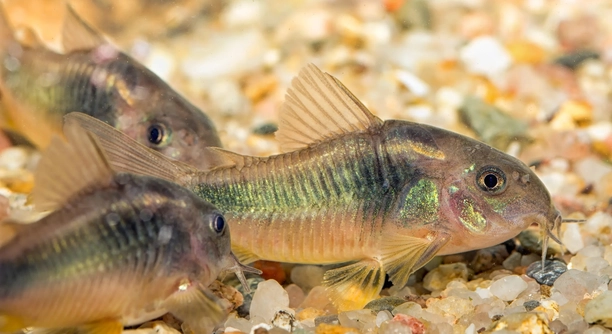
Corydoras catfish are known for their peaceful nature and unique behavior. However, their appetite may sometimes require attention. If your catfish seems uninterested in food, there are ways to improve their feeding habits.
The main factors affecting your Corydoras catfish’s appetite include water quality, diet, stress, and feeding habits. Ensuring clean water, offering a variety of foods, and reducing stress can encourage healthy eating patterns. Regular tank maintenance plays a key role.
Making simple adjustments to their environment can significantly enhance your catfish’s appetite, leading to better health and activity.
Water Quality and Filtration
The quality of water in your tank directly impacts your Corydoras catfish’s health and appetite. Poor water conditions can lead to stress, reducing their desire to eat. Keeping the water clean and stable is essential for their well-being. Regular water changes, proper filtration, and monitoring parameters like pH, ammonia, and nitrate levels are crucial. Corydoras are sensitive to high levels of toxins, so maintaining a balanced environment helps prevent appetite loss. Additionally, the temperature should be kept within the ideal range of 72-78°F (22-26°C). Stagnant water can also result in oxygen depletion, further discouraging eating.
Good filtration can help remove waste, toxins, and debris from the tank. A quality filter provides steady water flow, which Corydoras enjoy. Aim for a filter that’s suitable for your tank size to prevent water stagnation.
Ensuring proper water conditions can improve your catfish’s feeding habits. Regular monitoring of water quality and the environment allows your Corydoras to thrive and be more inclined to eat, enhancing their overall health.
Diet Variety and Food Choices
Offering a variety of foods can make a difference in your Corydoras’ appetite. Many catfish are bottom dwellers, and they may prefer sinking foods like pellets, tablets, or frozen options.
Ensure you provide foods that cater to their natural diet. Corydoras eat small invertebrates, detritus, and plant matter in the wild. Try offering high-quality sinking pellets, frozen brine shrimp, or bloodworms to appeal to their natural feeding instincts. You can also occasionally offer vegetables like blanched zucchini or peas for variety.
A balanced diet will help improve their health and hunger levels. Mixing protein-rich foods with fiber options supports digestion and overall energy. Offering new foods occasionally can also prevent boredom, making mealtimes more enticing for your catfish.
Stress and Tank Environment
Stress can cause your Corydoras catfish to lose interest in food. High noise levels, sudden movements, or tank mates that are too aggressive can make them uneasy. They prefer calm environments, so minimizing stress is key. If your catfish feels threatened, they may refuse to eat.
Ensure your tank has plenty of hiding spots like plants, caves, or driftwood. Corydoras are bottom dwellers and appreciate places where they can retreat when needed. This helps them feel secure and less stressed. Avoid overcrowding the tank and choose tank mates that aren’t too boisterous.
Maintaining a peaceful tank will encourage your Corydoras to eat regularly. Reducing external stressors allows them to feel comfortable and focus on feeding. Observing their behavior can help identify any stress triggers, leading to quicker resolution. A stable, calm environment is essential for their health.
Feeding Schedule and Consistency
Consistency in feeding times can encourage your Corydoras to eat more. These fish tend to thrive on a regular feeding schedule. Offering food at the same time each day helps them anticipate mealtime, making them more likely to eat.
Avoid overfeeding or underfeeding. Overfeeding can lead to water quality issues, while underfeeding can result in malnourishment. Stick to small, frequent feedings rather than large portions. This approach helps prevent food waste and ensures your catfish get the right amount of nutrition.
Setting a feeding routine helps establish predictability, which can improve their appetite. By keeping mealtimes consistent, you foster an environment where your Corydoras can thrive.
Tank Size and Space
A cramped tank can lead to a stressed-out Corydoras catfish. These fish need space to move around freely. If they feel confined, their appetite may decline. The ideal tank size for a small group of Corydoras is at least 20 gallons.
Overcrowding can also lead to water quality problems. More fish means more waste, which can decrease oxygen levels and increase toxins. A larger tank allows for better water filtration and stable parameters, which is crucial for maintaining a healthy environment.
A spacious tank helps your catfish feel comfortable, encouraging them to feed and stay healthy.
Temperature Regulation
Temperature plays a big role in your Corydoras catfish’s appetite. These fish prefer a stable, warm environment. Keeping the tank temperature between 72-78°F (22-26°C) is essential for their well-being.
If the water temperature is too low, Corydoras may become sluggish and lose interest in eating. Likewise, water that’s too hot can cause stress, affecting their feeding habits. Regularly check the temperature using an aquarium thermometer to ensure it remains consistent and in the optimal range.
Maintaining the right temperature encourages healthy feeding and keeps your Corydoras active and content.
FAQ
Why isn’t my Corydoras catfish eating?
There are several potential reasons why your Corydoras may not be eating. Stress is one of the most common causes. If the water quality is poor, there is too much noise, or the tank is overcrowded, your catfish may feel unsafe and refuse food. Also, a lack of variety in their diet or the water temperature being too high or low can make them lose interest in food. Make sure the water parameters, such as pH, ammonia, and nitrate levels, are within the ideal range. Providing different types of food and ensuring a stable environment can help improve their appetite.
How often should I feed my Corydoras catfish?
Corydoras should be fed once or twice a day, depending on their age and tank conditions. It’s essential not to overfeed, as this can lead to water quality issues and poor health. A small amount of food at regular intervals is ideal. Typically, you should only offer as much food as your fish can consume in 2-3 minutes. Overfeeding can lead to uneaten food that will decompose, affecting water quality and making your Corydoras less likely to eat.
What foods do Corydoras catfish prefer?
Corydoras are omnivores and enjoy a variety of foods. They primarily eat sinking pellets, tablets, or wafers, but they also appreciate frozen foods like brine shrimp, bloodworms, and daphnia. Offering blanched vegetables, such as zucchini or peas, is also a good addition to their diet. Corydoras are bottom-dwelling fish, so it’s important to provide sinking food to ensure they can reach it. A balanced diet with protein, fiber, and vitamins supports their health and feeding habits.
Can Corydoras eat live food?
Yes, Corydoras can eat live food, and they often enjoy it. Live foods like brine shrimp, earthworms, and daphnia can help stimulate their natural hunting instincts and provide important nutrients. However, it’s important to ensure that the live food is safe and free from harmful parasites or chemicals. Live food should be given in moderation, as it can be high in fat. You should also ensure that the live food is small enough for your Corydoras to consume easily.
Are Corydoras catfish sensitive to water temperature?
Yes, Corydoras catfish are sensitive to water temperature. They thrive in water temperatures between 72-78°F (22-26°C). If the water is too cold, they can become lethargic and lose their appetite. Water that is too hot can cause stress and affect their feeding behavior. Consistent temperature is crucial, so it’s important to monitor the tank regularly using an aquarium thermometer. If you’re unsure about the water temperature, consider using a heater with a thermostat to maintain a stable environment.
What is the best water quality for Corydoras catfish?
Corydoras are sensitive to water quality, so maintaining clean and stable water is essential for their well-being. The ideal water parameters for Corydoras include a pH level between 6.0 and 7.5, ammonia and nitrite levels at 0 ppm, and nitrate levels below 20 ppm. Regular water changes, proper filtration, and monitoring of water conditions are key to keeping your catfish healthy. A good filter will help maintain water quality by removing waste and debris, while regular water changes will prevent the buildup of toxins.
Can Corydoras catfish live with other fish?
Yes, Corydoras are peaceful and typically get along well with most other fish species. They do best in community tanks with other non-aggressive fish. Avoid housing them with very large or aggressive species that might harass them. Corydoras enjoy being in groups of at least three or more, as they are social fish. The presence of other peaceful fish helps them feel secure, encouraging them to eat and be more active. Be sure to select tank mates that won’t compete for food or disturb them.
How can I tell if my Corydoras catfish is stressed?
Signs of stress in Corydoras catfish include a lack of appetite, abnormal swimming behavior, hiding excessively, or staying near the surface. They may also appear more sluggish or inactive than usual. Stress can be caused by poor water quality, overcrowding, high noise levels, or aggressive tank mates. Ensuring a calm and stable environment with appropriate water parameters can help reduce stress. If your catfish continues to display signs of stress, it may be necessary to reevaluate their living conditions and tank setup.
Can Corydoras catfish eat algae?
While Corydoras may nibble on algae, they should not be relied upon as the primary algae-eating solution in your tank. They can help keep the tank cleaner by eating small amounts of algae, but they still need a balanced diet of sinking pellets, vegetables, and occasional protein sources. If algae is a problem in the tank, consider adding dedicated algae-eating fish, like shrimp or snails, to assist in keeping the tank clean.
Is it okay to keep Corydoras catfish with shrimp?
Yes, Corydoras catfish and shrimp can often coexist peacefully in the same tank. Corydoras are bottom feeders and typically won’t bother shrimp, but it’s essential to choose the right shrimp species. Small or baby shrimp may be at risk of being eaten by larger Corydoras, so make sure they are compatible in size. Keeping a clean tank with ample hiding spots can help both the Corydoras and shrimp thrive. It’s always important to monitor the tank’s dynamics to ensure peaceful cohabitation.
Final Thoughts
Maintaining a healthy appetite for your Corydoras catfish depends on several factors. Stress, poor water quality, and improper feeding schedules can all negatively impact their feeding habits. By addressing these elements, you can create a comfortable environment that encourages your fish to eat regularly. Whether it’s ensuring the water temperature remains consistent, providing a variety of food, or making sure the tank is peaceful, these small changes can make a big difference. A happy, healthy Corydoras will not only eat well but also thrive in your aquarium for years to come.
It’s essential to remember that every Corydoras catfish is different. Some may require more attention than others, but with patience and the right care, you can improve their appetite. Regularly monitor water conditions, maintain a stable temperature, and avoid overcrowding. Offering a range of food options can also help stimulate your fish’s interest in eating. If one method isn’t working, it’s important to stay patient and try different approaches. Each small adjustment can help bring you closer to finding the right solution for your fish’s feeding habits.
Lastly, keeping your Corydoras catfish in a suitable tank environment is the key to their long-term health and appetite. By following the tips outlined here, you’ll not only see an improvement in their feeding behavior but also enhance their overall well-being. A well-fed and stress-free Corydoras will be more active, healthy, and lively, making your aquarium a more enjoyable place to watch. Always ensure your catfish have the care and attention they need to thrive, and you’ll be rewarded with a happy, healthy tank.

Hello,
If you enjoy the content that we create, please consider saying a "Thank You!" by leaving a tip.
Every little bit helps us continue crafting quality advice that supports the health, happiness, and well-being of pets around the world, for pets of all shapes, sizes, and species.
We really appreciate the kindness and support that you show us!