
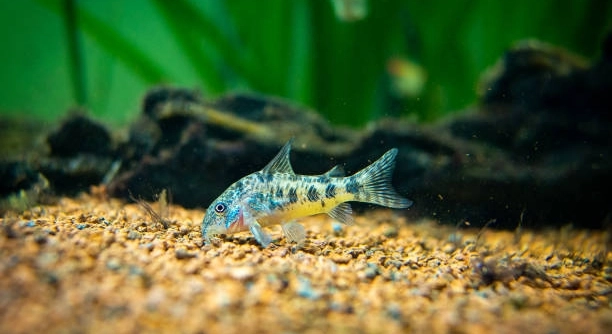
Corydoras catfish are popular for their peaceful nature, but if you notice your fish swimming sideways, it can raise concerns. Understanding the causes behind this behavior can help ensure your pet’s health and well-being.
Several factors could be causing your Corydoras catfish to swim sideways. These include stress, swim bladder issues, poor water quality, or an injury. Identifying the root cause is essential for providing appropriate care and correcting the problem.
Identifying the cause of sideways swimming will guide you in addressing the issue and ensuring your catfish remains healthy and comfortable.
Stress and Anxiety in Corydoras Catfish
Stress can significantly affect your Corydoras catfish, causing unusual swimming patterns, including sideways swimming. Environmental factors like sudden changes in water temperature, overcrowding, or even the presence of aggressive tank mates can create stress. When fish are stressed, they may lose their sense of balance, resulting in erratic swimming movements. This can manifest as swimming sideways or even spiraling. It’s important to maintain stable water conditions and avoid disturbing the fish with sudden changes. Corydoras are sensitive to shifts in their environment, and keeping the tank environment peaceful is key to their health.
Stress can lead to compromised immune systems, making Corydoras more vulnerable to disease. By ensuring that your tank has a suitable environment, you can reduce the stress levels. Consider adding plants and hiding spots to create a safe and peaceful environment for your fish.
Consistent water quality and a proper tank setup help prevent stress-related issues. If the fish seem to be swimming sideways due to stress, consider making gradual changes to their environment and monitor their progress over time.
Swim Bladder Problems
Swim bladder issues are another common reason for sideways swimming. This organ controls buoyancy and balance, and when damaged, the fish may struggle to maintain normal swimming. If the swim bladder is malfunctioning, Corydoras can swim sideways or have trouble staying upright. Overfeeding, especially high-protein foods, can contribute to swim bladder problems, as it affects digestion and gas buildup in the fish’s system.
To help your fish recover, feed them a balanced diet and avoid overfeeding. You can also consider fasting them for a day or two to allow their digestive system to reset. If the issue persists, a more in-depth approach may be needed, such as adjusting the fish’s diet or consulting a vet.
By understanding the signs of swim bladder problems, you can take action quickly to improve your fish’s condition and prevent further health issues. Proper care and regular maintenance of your aquarium will help support your fish’s overall well-being.
Poor Water Quality
Water quality plays a crucial role in your Corydoras’ health. If the water is dirty or improperly balanced, it can lead to sideways swimming or other behavioral changes. High ammonia levels, fluctuating pH, or inadequate filtration can cause discomfort. Make sure to check water parameters regularly and maintain good filtration to keep your tank clean.
Dirty water can stress your Corydoras, leading to a range of health problems, including issues with buoyancy. If the water is polluted or the tank is overcrowded, fish may struggle to swim properly. Regular water changes and maintaining filtration systems will help reduce this risk.
If your catfish are swimming sideways due to poor water quality, immediate action is needed. Perform water changes and test the water to correct imbalances. Improving the tank environment will not only stop the sideways swimming but also support your fish’s long-term health.
Injury or Physical Damage
Injury could be another reason your Corydoras is swimming sideways. If your fish has been nipped, crashed into objects, or suffered an impact, the damage might cause impaired swimming abilities. It’s essential to examine the fish for any signs of injury, such as visible wounds or swelling.
Injuries can affect the fish’s internal organs, making swimming difficult. Even minor injuries may impact their buoyancy or ability to swim straight. Be cautious of sharp objects or tank mates that may cause harm. If you notice signs of injury, isolate the fish to prevent further damage.
Treating an injured Corydoras requires a careful approach. Provide a stress-free environment and maintain good water quality to help the fish heal. If necessary, use medications to treat the injury, and offer a balanced diet to support recovery.
Overfeeding
Overfeeding can be a hidden cause of sideways swimming in Corydoras. If your catfish eat more than they can digest, it can lead to swim bladder issues, affecting their ability to swim properly. Stick to a regular feeding schedule and avoid offering excess food.
When Corydoras overeat, they might struggle to maintain proper buoyancy. Uneaten food can also pollute the water, leading to poor water quality, which further complicates the issue. Make sure to monitor your fish’s food intake and clean up any leftover food after feeding.
To avoid this problem, feed your Corydoras only what they can eat in a few minutes. Overfeeding can stress their digestive system, affecting their overall health and swimming behavior.
Tank Mates and Aggression
Aggressive tank mates can lead to stress, causing Corydoras to swim sideways. Corydoras are peaceful fish, and any aggression from other fish may result in abnormal swimming behavior. Monitor interactions between tank mates and remove any overly aggressive species.
When fish are stressed by aggression, their physical and mental health suffers. Aggressive tank mates may chase, nip, or intimidate the Corydoras, which affects their movement and balance. Choose compatible species that won’t harm your catfish.
To keep your Corydoras calm, provide plenty of hiding spaces in the tank. This way, they can escape from aggressive fish, reducing stress and improving their swimming behavior.
Poor Tank Setup
A poorly set-up tank could be contributing to sideways swimming in your Corydoras. Overcrowding, inadequate decorations, or sharp objects in the tank may cause stress or injury, which leads to abnormal swimming. Ensure the tank is properly arranged for your fish.
Having enough space for each fish to swim comfortably is crucial. Proper tank setup includes providing hiding spots, soft substrate, and smooth decorations. This setup will minimize the chances of injury or stress. Additionally, check that the water conditions match the ideal range for Corydoras.
A well-organized tank will help your Corydoras swim properly and stay healthy. Avoid overcrowding, as this can lead to stress and make it harder for the fish to move freely.
FAQ
Why is my Corydoras catfish swimming sideways?
Sideways swimming in Corydoras is usually caused by stress, swim bladder issues, poor water quality, injury, or overfeeding. These factors can affect their buoyancy or cause them to lose balance. Make sure to check the water quality, avoid overfeeding, and ensure the tank is free of any hazards that could harm the fish.
Can poor water quality cause my Corydoras to swim sideways?
Yes, poor water quality is a common cause of sideways swimming. When ammonia, nitrites, or nitrates build up in the tank, the fish may become stressed, which can affect their ability to swim properly. Regular water changes and proper filtration are necessary to maintain a healthy environment for your Corydoras.
How can I fix swim bladder issues in Corydoras?
Swim bladder problems are often caused by overfeeding or digestive issues. To fix this, feed your Corydoras a proper diet and avoid overfeeding. You can also fast them for a couple of days to give their digestive system a chance to reset. If the problem persists, you may need to consult a vet.
Is it normal for Corydoras to swim upside down or sideways occasionally?
Occasional sideways or upside-down swimming may not always be a concern, but if it becomes a consistent behavior, it could be a sign of stress or an underlying health issue. Monitor the fish closely and adjust their environment if necessary. If the behavior continues, investigate possible health problems.
Could aggressive tank mates cause sideways swimming in Corydoras?
Yes, aggression from other tank mates can cause stress, leading to abnormal swimming patterns like sideways swimming. Corydoras are peaceful fish and may become stressed or intimidated by more aggressive species. Try to remove any overly aggressive fish and provide plenty of hiding spaces for your Corydoras to reduce stress.
Can injury lead to sideways swimming in Corydoras?
Yes, injuries can cause Corydoras to swim sideways. If they are nipped by other fish or hit an object, they may experience internal damage that affects their swimming ability. Check for visible injuries and provide a stress-free environment to help the fish heal. You may need to isolate the fish in a quarantine tank if the injury is severe.
What can I do if my Corydoras catfish is swimming sideways?
First, check the water quality and ensure it is within the proper range for Corydoras. Make any necessary changes to improve the water quality. Next, avoid overfeeding and provide a balanced diet. If the fish is injured or stressed, offer hiding spots and consider separating aggressive tank mates.
How often should I change the water for my Corydoras?
Water changes should be done regularly to maintain a clean environment. Aim to change 20-30% of the water every week, depending on the tank’s size and filtration. Regular water changes help reduce toxins like ammonia and nitrates, which can cause stress and swimming issues in Corydoras.
Can overfeeding lead to sideways swimming?
Yes, overfeeding can contribute to sideways swimming in Corydoras. Overeating can cause swim bladder problems, leading to difficulty swimming. It also pollutes the water, which adds further stress to the fish. Feed your Corydoras only what they can eat in a few minutes and remove any leftover food promptly.
What are the signs that my Corydoras has swim bladder issues?
Signs of swim bladder issues in Corydoras include difficulty swimming, swimming sideways or upside down, and floating near the surface or sinking to the bottom of the tank. If you notice these symptoms, check your feeding habits and water quality. You may need to fast the fish or adjust its diet.
Should I treat a Corydoras with swim bladder problems?
If your Corydoras shows signs of swim bladder problems, try adjusting its diet and ensuring the water quality is optimal. Fasting for a couple of days or feeding peas (a natural remedy) may help. If the problem persists, consult an aquarium professional for further treatment options.
What are the best tank mates for Corydoras?
Corydoras are peaceful bottom dwellers and do best with other calm species. Ideal tank mates include small peaceful fish like tetras, guppies, or rasboras. Avoid aggressive or territorial fish that may stress out your Corydoras. Providing plenty of hiding spots in the tank will help reduce stress.
How do I prevent my Corydoras from becoming stressed?
To prevent stress in your Corydoras, maintain stable water conditions, avoid overcrowding, and ensure there are plenty of hiding spots. Also, avoid sudden changes in the tank’s environment, such as fluctuating water temperatures or drastic shifts in water parameters. A peaceful tank with compatible fish will reduce stress.
Why is my Corydoras hiding all the time?
Corydoras are naturally shy and may hide if they feel stressed, threatened, or unwell. If your Corydoras is hiding more than usual, it could be a sign of poor water quality, aggressive tank mates, or an injury. Check the tank conditions and ensure the environment is calm and suitable for your fish.
Can Corydoras swim sideways if they’re sick?
Yes, sickness can affect the swimming behavior of Corydoras. If the fish is sick, it may swim sideways, float on the surface, or sink to the bottom. Look for other signs of illness, such as loss of appetite, discoloration, or visible wounds. In such cases, it’s important to isolate the fish and address the underlying cause.
What type of food should I give my Corydoras to prevent swim bladder problems?
Feed your Corydoras high-quality sinking pellets, which are designed for bottom dwellers. Include occasional treats like bloodworms or brine shrimp, but avoid overfeeding or offering too many high-protein foods. A balanced diet will help prevent swim bladder problems and keep your fish healthy.
Final Thoughts
Corydoras catfish are hardy and peaceful fish, but like all aquarium species, they can experience health issues from time to time. Sideways swimming is a common sign that something in their environment is not right. Whether it’s water quality, diet, or stress from tank mates, addressing the root cause is essential for ensuring your Corydoras’ well-being. By paying attention to the tank’s conditions and the behavior of your fish, you can quickly identify and correct any issues that arise.
It’s important to regularly monitor water parameters such as temperature, pH, ammonia, nitrites, and nitrates. Even slight changes in these parameters can affect the health and behavior of your Corydoras. Consistent water changes, proper filtration, and maintaining a balanced diet will go a long way in preventing swimming issues. Keep an eye on feeding schedules and avoid overfeeding to reduce the risk of swim bladder problems. Also, be mindful of the tank environment and tank mates, as stress can cause your fish to behave unusually.
Ultimately, observing your fish closely and acting quickly when something seems off can help you maintain a healthy and thriving aquarium. If sideways swimming or any other abnormal behavior persists despite your best efforts, it might be time to consult a professional to rule out any underlying health problems. By ensuring your Corydoras have a clean, peaceful, and stress-free environment, you can improve their quality of life and prevent future issues from arising.

Hello,
If you enjoy the content that we create, please consider saying a "Thank You!" by leaving a tip.
Every little bit helps us continue crafting quality advice that supports the health, happiness, and well-being of pets around the world, for pets of all shapes, sizes, and species.
We really appreciate the kindness and support that you show us!