
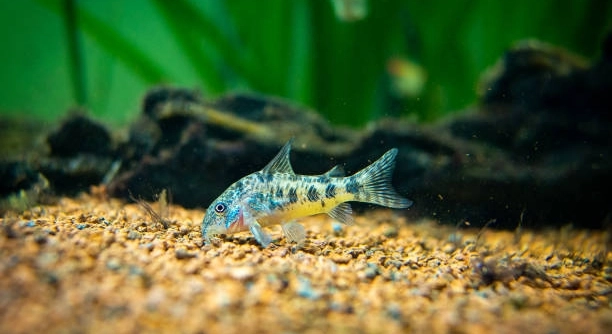
Corydoras catfish are often social and enjoy the company of other fish. However, if your Corydoras is avoiding others, it could be a sign of various environmental or behavioral issues that need attention.
Corydoras catfish may avoid other fish due to factors such as stress, incompatible tank mates, water quality, illness, or inadequate hiding spots. Understanding these reasons can help create a better environment for your catfish and improve social interactions.
Addressing these factors will improve the well-being of your Corydoras and promote a more harmonious tank environment.
Stress and Overcrowding
Stress is one of the main reasons your Corydoras catfish might be avoiding other fish. If the tank is too crowded, or there’s too much activity around them, it can cause stress. Corydoras are shy creatures and need space to feel safe. When the tank has too many fish or frequent disturbances, they may retreat to avoid conflict.
Fish that are too active or aggressive can also stress out Corydoras, causing them to hide more often. This behavior is their way of escaping perceived danger. It’s essential to ensure a balanced tank where each fish has room to swim freely.
To reduce stress, try to observe your Corydoras’ behavior and ensure they have access to hiding places. Providing calm, peaceful tank mates and not overcrowding the tank can help your Corydoras feel secure, encouraging them to interact with other fish. Regular water changes and proper filtration will also support a stress-free environment.
Incompatible Tank Mates
Some fish simply don’t get along with Corydoras. They may be too aggressive, too fast-moving, or too large. If the other fish in the tank are constantly harassing or chasing your Corydoras, it’s no wonder they prefer solitude.
Aggressive fish can disrupt the peaceful nature of your tank. Even if the other fish are not physically harmful, constant stress and territorial behavior can make Corydoras avoid them. Consider separating incompatible species or providing more hiding spots for the catfish.
Water Quality Issues
Poor water quality can cause Corydoras to avoid other fish. They are sensitive to changes in water conditions and will retreat if the environment isn’t ideal. High levels of ammonia, nitrites, or low oxygen can stress them out and lead to hiding behavior.
To prevent this, monitor the water quality regularly. Invest in a good filtration system and perform regular water changes to keep parameters in check. Test for ammonia, nitrites, nitrates, and pH to ensure they are at appropriate levels. Clean the tank frequently to keep the water clear and healthy, promoting a calm environment.
Corydoras also thrive in clean, well-maintained tanks with stable water temperature. If water quality issues are present, they might feel uncomfortable and avoid interactions with other fish. Keeping a consistent and healthy tank environment will ensure your Corydoras remains active and social.
Illness or Injury
If your Corydoras is avoiding other fish, it could be sick or injured. Illness can make them lethargic, and they may hide to recover. Look for signs like lethargy, faded color, or changes in swimming patterns that could indicate a health problem.
Infections or wounds can cause Corydoras to isolate themselves from tank mates. They may stay hidden to avoid additional stress from other fish, especially if they are not feeling well. If you notice these symptoms, it’s essential to quarantine the affected fish to prevent spreading illness.
Consulting a veterinarian or an aquatic expert is recommended to properly diagnose and treat the issue. It’s important to act quickly, as untreated illnesses or injuries can worsen over time, leading to further stress and isolation for your Corydoras.
Lack of Hiding Spots
Corydoras catfish are bottom-dwellers and need hiding spots to feel safe. Without these spaces, they can become anxious and avoid other fish. A lack of places to retreat to can lead to stress and a more solitary lifestyle.
Adding plants, rocks, or caves can give Corydoras the privacy they need. Providing these hiding spots will encourage them to feel secure and more likely to interact with other fish. It’s essential to create an environment where they can escape from potential threats or stressful situations.
Poor Tank Conditions
Corydoras thrive in stable, clean environments. Poor water quality, high ammonia levels, or fluctuating temperatures can cause them to feel uncomfortable. Stress from these poor conditions can lead to hiding and avoiding social interactions.
Consistent water quality, proper filtration, and regular water changes are key to keeping your Corydoras healthy and active. Avoid overfeeding, as leftover food can decay, affecting water conditions. Monitoring the tank regularly ensures your catfish stay comfortable and less likely to isolate themselves.
Overfeeding
Overfeeding can lead to excess food waste, polluting the water. This can make Corydoras feel stressed, causing them to hide. They may also become sluggish and less interactive with tank mates.
FAQ
Why is my Corydoras hiding all the time?
Corydoras catfish are naturally shy, but if they are hiding frequently, it may indicate stress or discomfort. Poor water quality, overcrowding, or aggressive tank mates can make them retreat. Providing hiding spots and ensuring a peaceful environment can help reduce their stress. Regularly checking water parameters like ammonia, nitrites, and pH levels is crucial to maintaining a healthy tank.
How can I help my Corydoras feel more comfortable?
To make your Corydoras feel more at ease, provide plenty of hiding spots such as caves, plants, or rocks. Avoid overcrowding the tank and ensure the water quality is excellent. Stable temperature and regular water changes will also help them feel secure. Also, consider adding peaceful tank mates to avoid stressing your catfish.
Can Corydoras live with other fish?
Yes, Corydoras are peaceful and can live with other fish. However, it’s important to avoid aggressive or fast-moving fish that may stress them out. Fish like guppies, tetras, or other peaceful bottom-dwellers make good companions for Corydoras. Make sure to choose tank mates that won’t outcompete them for food or space.
What size tank does a Corydoras need?
A 20-gallon tank is generally the minimum for a group of Corydoras. However, larger tanks are always better, as they provide more space to swim and avoid stress. If you plan to keep multiple Corydoras or other fish, ensure the tank is large enough to accommodate them comfortably. More space means less competition and a healthier environment for all.
How often should I clean my Corydoras’ tank?
You should clean your Corydoras’ tank at least once a week. Perform partial water changes of about 25-30% and remove any uneaten food or debris from the substrate. Regular cleaning helps maintain good water quality, which is crucial for their health. Also, check the filter regularly to ensure it is working efficiently.
Are Corydoras sensitive to water temperature?
Yes, Corydoras are sensitive to water temperature. They prefer water in the range of 72°F to 78°F (22°C to 26°C). Sudden temperature changes or fluctuations can stress them, leading to hiding and possible illness. It’s important to keep the water temperature stable and within this range for their well-being.
Why isn’t my Corydoras eating?
If your Corydoras isn’t eating, it could be due to stress, poor water quality, or illness. Make sure the water parameters are correct and check if there’s any aggression from other fish. Corydoras are bottom feeders, so they may also be slower to reach food. Try offering sinking pellets to ensure they get their share.
How can I tell if my Corydoras is sick?
Sick Corydoras may show signs like lethargy, faded colors, abnormal swimming behavior, or bloating. If you notice these symptoms, it’s important to quarantine the sick fish and treat them separately to prevent the spread of disease. You may also notice increased hiding behavior as they try to recover from an illness.
What do Corydoras eat?
Corydoras are omnivores and primarily eat a variety of foods, including sinking pellets, frozen or live foods (such as bloodworms), and algae. They also scavenge for leftover food in the substrate, which helps keep the tank clean. A well-balanced diet will help maintain their health and vitality.
Can I keep only one Corydoras in a tank?
Corydoras are social fish and do best when kept in groups. It’s recommended to keep at least three to five Corydoras together. They are more active, less stressed, and display more natural behaviors when they have company. A single Corydoras may become lonely and stressed, leading to health issues.
Do Corydoras prefer soft or hard water?
Corydoras prefer slightly soft to medium-hard water with a pH between 6.0 and 7.5. They are sensitive to extreme pH or hardness changes, so maintaining stable water conditions is important. Test your water regularly and adjust it if necessary to provide the best environment for your Corydoras.
How can I reduce aggression in my tank?
To reduce aggression, choose peaceful tank mates and ensure the tank is not overcrowded. Providing hiding spots and territories for each fish can help reduce conflict. Avoid keeping territorial species that may harass your Corydoras. Proper tank layout and maintaining a stress-free environment are key to minimizing aggression.
How do I know if my Corydoras is stressed?
Signs of stress in Corydoras include hiding, lack of appetite, rapid breathing, and erratic swimming behavior. They may also exhibit a loss of color or increased sensitivity to light. Addressing the cause of stress, such as poor water quality or aggressive tank mates, can help your Corydoras feel more comfortable.
Can Corydoras live in a tank with shrimp?
Yes, Corydoras can live with shrimp. However, you need to make sure the shrimp species are compatible. Peaceful shrimp like cherry shrimp or ghost shrimp are good tank mates. Corydoras will generally leave shrimp alone, but it’s important to monitor the tank to ensure there are no aggressive interactions.
Do Corydoras need a filter?
Yes, Corydoras need a filter in their tank to maintain water quality. They are sensitive to dirty water, and a good filtration system helps keep the water clean, reducing the risk of illness. A sponge filter is ideal, as it provides gentle filtration that doesn’t disrupt their environment.
Final Thoughts
Corydoras catfish are generally peaceful, bottom-dwelling fish that enjoy the company of other fish. However, when they avoid social interaction, it may be due to a variety of factors that can cause them stress. It’s important to observe their behavior and assess the tank conditions to identify potential causes. Keeping an eye on water quality, temperature, and tank mates can go a long way in ensuring your Corydoras feel safe and comfortable.
Providing hiding spots, reducing stress from aggressive fish, and maintaining a clean, stable environment will encourage your Corydoras to interact with others. Additionally, feeding them a balanced diet and ensuring they aren’t overfed can help prevent any issues with their behavior. Corydoras thrive in groups, and keeping at least three or more together in a tank will help reduce their solitary tendencies. Having peaceful, compatible tank mates is essential for creating a harmonious environment where your Corydoras can feel at ease.
Ultimately, caring for Corydoras requires paying close attention to their habitat and environment. Regular maintenance of the tank, along with proper care and attention to their needs, will help them flourish. By understanding their natural behaviors and creating the right conditions, your Corydoras can become active, healthy fish that enjoy the company of others and interact more freely with their tank mates. Taking the time to ensure their well-being will reward you with a thriving aquarium.

Hello,
If you enjoy the content that we create, please consider saying a "Thank You!" by leaving a tip.
Every little bit helps us continue crafting quality advice that supports the health, happiness, and well-being of pets around the world, for pets of all shapes, sizes, and species.
We really appreciate the kindness and support that you show us!