
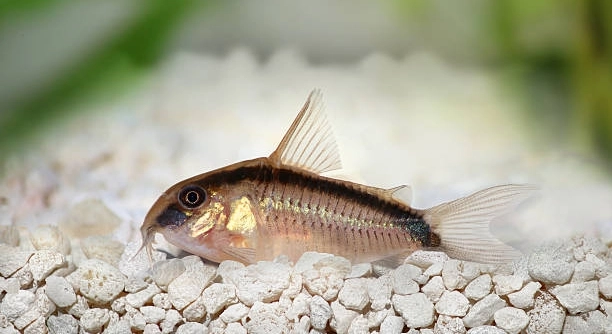
Have you ever looked into your Corydoras catfish’s tank and felt like they might actually recognize you? It’s a curious thought many fish owners have, especially with such active and social bottom dwellers.
Corydoras catfish can recognize their owners through repeated exposure to visual cues, feeding routines, and consistent interaction. These behaviors are observed in various fish species, and Corydoras display subtle but noticeable signs of recognition over time.
From following your movements to reacting differently around strangers, these seven clues may help you understand how your Corydoras interacts and bonds.
7 Signs Your Corydoras Might Recognize You
Corydoras catfish are often shy, but they can become familiar with the person who cares for them. Over time, some start to show subtle behaviors that suggest recognition. One sign is swimming up to the front of the tank when you walk by. This reaction often links to feeding times, but it can also be a response to your presence alone. Another clue is how relaxed they become when you’re nearby. Instead of hiding, they may continue their normal routines, which shows trust. Some will even follow your finger along the glass or swim toward your hand during feeding. These signs may not be dramatic, but they reflect learned behavior from repeated exposure to the same person. By watching how your Corydoras act when you approach, you can notice patterns that differ from how they behave around others. These subtle cues can help confirm if recognition is taking place.
Corydoras will not always react the same way to everyone. They can behave more reserved around new people or in unfamiliar environments.
Fish do not recognize humans in the same way mammals do, but Corydoras can associate your presence with food, comfort, and safety. That connection leads to behavior that appears to be recognition.
Why Familiarity Matters to Corydoras
Corydoras rely heavily on consistency in their environment. Sudden changes in their surroundings or caretakers can cause stress and unpredictable behavior. If a fish begins to recognize you, it may be because it feels secure around you. Familiarity creates stability, which allows the fish to be more active and less likely to hide. Over time, feeding routines and daily tank maintenance help the fish associate your movements, voice, or even shadows with non-threatening activity. This kind of exposure leads to more interaction and trust. When you notice your Corydoras coming out of hiding or swimming with more energy while you’re present, it shows they are adjusting to your presence. These signs are not just random; they develop through repetition. Consistent care helps build a pattern of responses that show comfort. This makes observing them easier and creates a better experience for both you and the fish.
How Corydoras Show Comfort Around You
Corydoras often show comfort by staying out in the open more frequently. If they no longer rush to hide when you approach, that’s a clear sign they feel safe and have become familiar with your presence.
Another way Corydoras show comfort is by maintaining their regular activity while you’re near the tank. They may sift through the substrate, interact with other fish, or explore without hesitation. These behaviors mean they do not see you as a threat. Fish that hide less and continue their usual behavior when someone is close have typically adjusted to that person. This is especially true if they still come out during feeding or approach the front of the tank. These signs suggest that they trust their surroundings and the person who regularly cares for them. Comfort often grows through routine and consistency, especially in calm and low-stress environments.
Physical health and tank conditions also affect how Corydoras respond to people. Fish kept in clean, stable environments are more likely to display trust-related behaviors. If your Corydoras is well-fed, healthy, and swimming actively near you, those are strong signs of comfort. A stressed or sick fish is less likely to show interest in people, even those it sees regularly.
Feeding Time Behavior and Recognition
Corydoras often associate their owner with feeding time. If your fish start to swim toward the glass or gather near the top of the tank when you approach, they likely connect your presence with food delivery and feel secure during those moments.
This type of behavior becomes stronger over time. Regular feeding by the same person helps fish develop patterns of recognition. They learn to associate specific sounds, shadows, and movements with feeding, which can lead to excited activity whenever that person is nearby. Some Corydoras will begin swimming faster or hovering in the same area at certain times of the day, expecting food. These reactions are typically less frequent with unfamiliar people, reinforcing the idea that they respond specifically to those they know. This routine can become a way to measure how much recognition and trust the fish has developed toward its primary caretaker. It’s a quiet, reliable clue.
Reactions to Your Voice or Movements
Some Corydoras react to the sound of your voice or footsteps by becoming more active or swimming toward the front of the tank. This response usually develops over time through repeated exposure and positive reinforcement.
Fish that recognize your patterns may also respond to hand movements, especially if linked to feeding.
Differences in Behavior With Strangers
Corydoras that are used to one person may act more reserved around others. They might hide or stay still when unfamiliar people are near the tank. This contrast in behavior suggests they are selective in who they feel safe around. Consistent care builds trust, which reflects in their comfort levels.
Subtle Following Behavior
Some Corydoras will follow your finger or shadow across the tank. This behavior is subtle but can indicate familiarity. They may not do this with strangers or during stressful moments, making it a quiet sign of recognition.
FAQ
Can Corydoras recognize their owners?
Yes, Corydoras can recognize their owners, although it’s not as obvious as with mammals. They associate you with feeding times, consistent routines, and safety. Over time, they start to respond to visual and environmental cues, such as your movements around the tank.
How can I tell if my Corydoras recognizes me?
You may notice your Corydoras swimming toward the front of the tank when you approach. They may also interact with you by following your finger or swimming closer during feeding. A calmer, more active behavior around you suggests recognition.
Do Corydoras show affection?
While Corydoras do not show affection in the same way mammals do, they can express comfort and trust. These fish may follow your movements or remain active around you, which indicates a level of familiarity and positive association with your presence.
Why do my Corydoras come to the surface when I approach?
Corydoras may swim to the surface when they see you because they associate you with feeding. If they anticipate food, they’ll swim to where they think it will appear. This behavior is a common sign of recognition, as they link your movements to feeding time.
How long does it take for Corydoras to recognize you?
It can take anywhere from a few weeks to a couple of months for Corydoras to start recognizing you. The more consistent you are with feeding and care, the faster they’ll learn to associate you with safety and nourishment.
Do Corydoras only recognize people who feed them?
While feeding is a strong trigger for recognition, Corydoras can also begin to recognize you based on visual cues and daily routines. They learn to associate your movements and presence with comfort, even if feeding is not the only activity.
Why does my Corydoras act differently around other people?
If your Corydoras acts shy or hides around other people, it’s because they are more familiar with you. Fish form bonds with their caretakers, and this bond makes them more relaxed and comfortable in the presence of the person who consistently cares for them.
Can I train my Corydoras to recognize me?
You can encourage your Corydoras to recognize you by maintaining a consistent routine, such as feeding at the same time each day. Over time, the fish will learn to connect you with food and safety, which will increase their comfort and recognition of you.
Are Corydoras intelligent enough to learn routines?
Yes, Corydoras are capable of learning routines, particularly related to feeding and environmental patterns. Their ability to associate specific actions, such as the sound of your voice or movements, with certain outcomes (like food) helps them develop recognition.
Is it normal for Corydoras to ignore me at times?
Yes, it’s normal for Corydoras to sometimes ignore you, especially if they’re stressed, not hungry, or in an unfamiliar environment. Their response to you can vary depending on their current mood, health, and how accustomed they are to you.
Can Corydoras get stressed by human presence?
Corydoras can get stressed if they’re not used to a lot of movement around the tank or if there are sudden changes in their environment. However, they generally adjust to the presence of a regular caretaker over time. Keeping their environment stable will help reduce stress.
Why do Corydoras hide when I approach the tank?
If your Corydoras hides when you approach the tank, it may be due to stress, unfamiliarity, or a recent change in their environment. Over time, they may become more comfortable and start showing interest in your presence once they associate you with safe and predictable care.
Do Corydoras like attention from their owners?
Corydoras don’t seek attention the way pets like dogs do, but they can become more active and relaxed around their owners. When they recognize you, they may start to show curiosity and follow your movements or interact more during feeding time.
Final Thoughts
Understanding whether your Corydoras recognize you takes time and attention to detail. These fish are not as expressive as other pets, but they can form associations based on routine and familiarity. By observing their behavior, you can notice patterns that suggest trust and recognition. If your Corydoras swim to the front of the tank or become active when you approach, it is a sign that they are becoming familiar with you and your presence. Small signs of comfort, such as following your finger or coming to the surface during feeding, further suggest that they are beginning to recognize you as a caregiver.
Corydoras are social fish that thrive in stable and low-stress environments. Their recognition of you is often based on the consistency you provide in their care. Regular feeding times, gentle tank maintenance, and predictable interactions help them connect you with safety and food. Over time, they learn to associate you with these positive experiences. It’s important to be patient, as fish, including Corydoras, may take weeks or months to show clear signs of recognition. The more routine and calm the care, the more likely they are to show comfort around you.
While Corydoras do not show affection in the way mammals might, their actions can reveal a level of trust. Fish are not always outwardly affectionate, but they do express comfort through behavior, such as swimming near you or staying out in the open. They rely on consistent, gentle care to feel secure, and once they begin to recognize you, you will notice their reactions become more predictable and positive. Recognizing these small signs will help you understand your Corydoras better and strengthen the bond you share with them.

Hello,
If you enjoy the content that we create, please consider saying a "Thank You!" by leaving a tip.
Every little bit helps us continue crafting quality advice that supports the health, happiness, and well-being of pets around the world, for pets of all shapes, sizes, and species.
We really appreciate the kindness and support that you show us!