
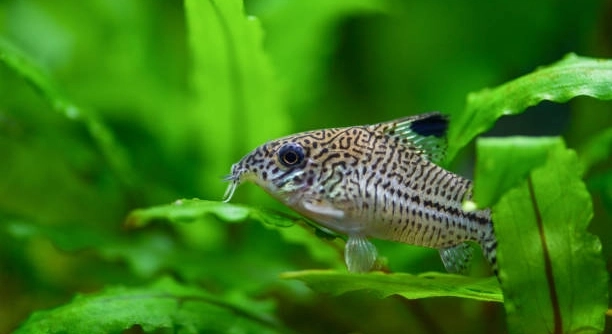
Corydoras catfish are popular aquarium pets known for their peaceful nature and bottom-dwelling habits. However, if you notice them flashing against the substrate, it may indicate an underlying issue. This behavior can sometimes cause concern.
Flashing is typically a sign that your Corydoras catfish is experiencing irritation or discomfort. It can be caused by various factors, including skin parasites, water quality issues, or physical injury. Identifying the cause is key to resolving the problem.
Understanding why your Corydoras catfish is flashing can help you take the right steps to ensure its health and well-being. Keep reading to learn about the common causes and solutions for this behavior.
Poor Water Quality
If your Corydoras catfish is flashing against the substrate, poor water quality is often the main reason. Fish need clean, well-balanced water to stay healthy, and even small changes in water conditions can cause irritation. Common problems include high ammonia, nitrites, or low oxygen levels. Inadequate filtration or overfeeding can also contribute to poor water quality. When your catfish rubs against surfaces, it may be trying to relieve stress caused by the unclean environment.
Test the water regularly to monitor ammonia, nitrites, nitrates, and pH levels. Perform partial water changes if necessary to keep the water conditions in check. Consider upgrading your filter if it’s not providing adequate circulation and filtration.
The best way to prevent water quality issues is through routine maintenance. Regular water changes, cleaning the substrate, and making sure your filter is working properly will help keep your Corydoras catfish happy. Investing in a good water testing kit can help catch problems early and keep your aquarium thriving.
Skin Parasites
Flashing behavior is also a common sign of skin parasites. These microscopic organisms can irritate your catfish, leading it to rub against surfaces to relieve the itching. The most common parasites include ich and skin flukes. Infected fish may also show visible signs like lesions or cloudy skin.
To treat skin parasites, you should consider using an anti-parasitic treatment. Quarantining the infected fish and treating them separately can prevent the spread to other fish. Keep the water clean and make sure your catfish is eating well to help it recover.
Physical Injury
If your Corydoras catfish is flashing, it could be due to a physical injury. Scrapes or cuts on its body may cause discomfort, prompting it to rub against the substrate. Injuries can happen from sharp objects, rough decorations, or even from other fish.
Inspect your catfish closely for signs of injury. Look for torn fins, red spots, or areas of irritation. If you notice any damage, it’s important to keep the fish in a calm, clean environment and provide a healing space. Avoid handling the fish unless necessary.
To prevent future injuries, rearrange aquarium decorations to remove sharp edges or rough surfaces. Ensure the tank is free of any potential hazards. Giving your catfish plenty of hiding spots and keeping tank mates peaceful can also reduce the chances of injury.
Stress
Stress is another reason why your Corydoras catfish might be flashing. Overcrowding, tank mates that are too aggressive, or environmental changes can all cause stress, leading to this behavior. Stress weakens a fish’s immune system, making it more vulnerable to disease.
Take a look at the tank setup and evaluate if there’s enough space for all the fish. Too many fish in one tank can cause constant stress, leaving no room for each fish to feel safe. Make sure your catfish has enough hiding spots and peaceful companions.
It’s important to provide a stable environment for your Corydoras catfish. Reducing noise and sudden changes in the aquarium can help minimize stress. Keep the lighting dim if your fish seem easily spooked and avoid overfeeding, which can pollute the water and cause discomfort.
Poor Diet
A poor diet can contribute to your Corydoras catfish flashing. If the fish is not getting the right nutrients, it may become weak or irritated. This can lead to behavior like rubbing against the substrate.
Ensure you are feeding your catfish a balanced diet of high-quality pellets, live or frozen foods, and occasional treats. A lack of variety or poor-quality food can affect their health. Over time, this can result in both physical and behavioral problems.
By providing a more nutritious and varied diet, your catfish will be better equipped to fight off disease and stress, potentially preventing flashing behavior.
Water Temperature
Improper water temperature can stress your Corydoras catfish, causing it to flash. These fish are sensitive to temperature changes, and water that is too hot or too cold can make them uncomfortable.
Keep the water temperature steady between 72°F and 78°F. Using a heater with a thermometer is the best way to maintain consistent water conditions. Sudden temperature fluctuations can cause stress and trigger flashing as your catfish tries to adapt.
Regularly check the temperature to ensure it stays within the optimal range to avoid stress-related issues.
Overcrowding
Overcrowding in the tank can lead to flashing behavior. When too many fish are kept in a small space, it increases stress levels and can cause territorial disputes. This discomfort may result in rubbing against the substrate.
Make sure your tank has enough room for all the fish to move around comfortably. Overcrowding also leads to poor water quality, which further stresses the fish. If you have too many fish, consider upgrading your tank or finding new homes for some of them.
Final Thoughts
Flashing in Corydoras catfish can be concerning, but it’s important to remember that it’s often a sign of stress or discomfort. The most common causes include poor water quality, skin parasites, physical injury, and environmental stress. By closely monitoring the water parameters in your tank and keeping the environment clean, you can often prevent the behavior before it becomes a bigger issue. Regular water changes, a good filtration system, and proper tank maintenance are simple but effective ways to ensure your Corydoras catfish stays healthy and happy.
Another important factor is the overall health and safety of your fish. This includes providing a balanced diet and checking for signs of parasites or injury. If your fish seems to be flashing due to a physical injury, take time to inspect the tank for any potential hazards, such as sharp decorations or aggressive tank mates. For parasite issues, consider using safe treatments specifically designed for freshwater fish. The sooner you address any health concerns, the easier it will be to help your fish recover without complications.
Finally, always remember that every fish is different, and what works for one may not work for another. Understanding your Corydoras catfish’s unique needs will help you provide the best care possible. Monitoring their behavior closely and adjusting the tank environment when necessary ensures they live a long, healthy life. Regularly observing their habits and making small adjustments can prevent flashing behavior from becoming a recurring problem. With the right attention to detail, your Corydoras catfish will thrive and remain an enjoyable addition to your aquarium.

Hello,
If you enjoy the content that we create, please consider saying a "Thank You!" by leaving a tip.
Every little bit helps us continue crafting quality advice that supports the health, happiness, and well-being of pets around the world, for pets of all shapes, sizes, and species.
We really appreciate the kindness and support that you show us!