
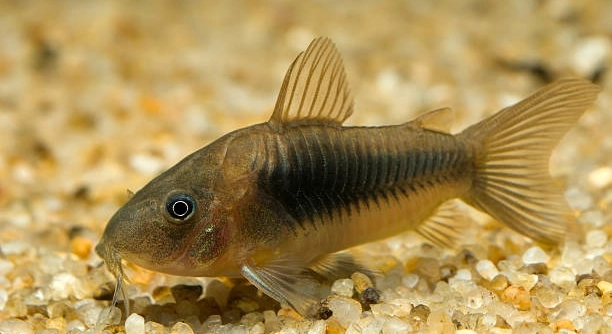
Corydoras catfish are generally known for their calm and peaceful nature. However, if you’ve noticed that your catfish is more active than usual, you might be wondering what’s causing this change in behavior.
Increased activity in Corydoras catfish can be caused by several factors, such as water quality changes, the presence of new tank mates, breeding behavior, or adjustments to their environment. Any of these can influence their movement and energy levels.
Understanding the reasons behind your Corydoras’ behavior will help you provide a better environment for them. Knowing the key factors can make a difference in maintaining a healthy tank and ensuring your fish’s well-being.
Changes in Water Quality
Water quality is crucial for the well-being of any fish, including Corydoras catfish. When the water parameters shift, like temperature, pH levels, or nitrate concentration, fish often become more active. If the water quality suddenly improves, for instance, through more frequent water changes or a more effective filter, it could prompt your catfish to swim around more. On the other hand, poor water conditions can cause stress and strange behavior, but this typically results in lethargy, not extra activity.
A simple test of your tank’s water can help you understand if the parameters are the reason behind your catfish’s behavior. Keeping the water stable and within the ideal range will help keep your Corydoras comfortable.
Corydoras are sensitive to changes in water quality, so keeping it clean and consistent is essential. If you notice them becoming more energetic after a water change or other maintenance tasks, it might mean they’re happier in cleaner conditions. Regular maintenance ensures that your fish have the healthiest environment possible.
New Tank Mates
Introducing new tank mates is another reason your Corydoras may act differently. The presence of new fish can create a sense of curiosity and even competition, leading your catfish to move around more.
Catfish are typically peaceful, but they may become more active when they sense unfamiliar creatures in their environment. They could be exploring, testing boundaries, or adjusting to their new surroundings. It’s not unusual for them to seem livelier for a while.
When adding new fish, ensure they are compatible with your Corydoras and the tank conditions are ideal for everyone. If the new additions are causing too much stress, it may be worth reconsidering their compatibility. Corydoras thrive in peaceful environments, and too much activity from new fish could cause them distress over time.
Breeding Behavior
During breeding season, Corydoras catfish can become more active. When they’re ready to spawn, you might notice increased movement and excitement as they search for suitable spots to lay eggs. This behavior can cause a noticeable uptick in activity levels.
Breeding can trigger a burst of energy in Corydoras. Both males and females may swim more actively, particularly in response to changing tank conditions like water temperature. The male will often chase the female around, and this can lead to frantic movement throughout the tank. If you have several Corydoras, the group may collectively display this heightened activity.
Breeding is a natural instinct for Corydoras. They’ll engage in playful but purposeful behavior during this time. It’s important to keep the tank calm and offer hiding spaces for the female, as this helps her feel safe and secure when laying eggs. Proper conditions are key to ensuring successful breeding.
Tank Size and Space
The size of the tank and the amount of space available can greatly impact the activity level of your Corydoras. If the tank is too small or overcrowded, your catfish may be more active simply due to stress or lack of space.
Corydoras are bottom dwellers and need room to move around. If they feel cramped, they may swim around more in an attempt to find space. A larger tank provides more freedom, which can lead to more natural and less erratic behavior. When they have enough room, Corydoras can exhibit more peaceful, slow movements rather than being overly energetic due to discomfort.
Consider upgrading to a bigger tank if you notice your Corydoras seem overly active in a smaller setup. This extra space will reduce stress and help them feel more comfortable. Even a slight increase in tank size can make a big difference in how your catfish behave.
Water Temperature
Water temperature is a key factor in Corydoras’ behavior. When the water is warmer than usual, your catfish may become more active as they try to adapt. Corydoras thrive in water temperatures ranging from 72 to 78°F (22-25°C).
If the water temperature exceeds this range, Corydoras may become hyperactive or show signs of stress. Similarly, if the water is too cold, they may become sluggish. Maintaining the right temperature is crucial to keeping their activity levels balanced.
It’s important to monitor water temperature regularly with a reliable thermometer. If you notice that the temperature has changed, adjust it gradually to avoid stressing your Corydoras. Maintaining a stable, suitable temperature will help ensure their well-being and behavior remain normal.
Tank Decoration
Your Corydoras might be more active if there’s a change in tank decorations. New hiding spots or structures can prompt your catfish to explore, leading to more movement.
Adding new plants, rocks, or caves can encourage curiosity and make your catfish feel safer. When they discover new spaces, they may swim around more as they explore their surroundings. However, it’s important not to overcrowd the tank, as this can cause stress rather than fun exploration.
Corydoras enjoy a variety of textures in their environment, so introducing decorations that mimic their natural habitat can help reduce stress and provide enrichment.
Feeding Time
Corydoras tend to become more active around feeding time. When they sense food being added to the tank, they may swim excitedly in anticipation.
They are bottom feeders, and this behavior is natural. Corydoras will actively search the substrate for food, often darting around to collect whatever they can find. This increase in energy is a typical response to feeding stimuli.
To avoid overfeeding or causing stress, provide meals at regular intervals, offering just enough food for your catfish to consume in a few minutes. This will help maintain a healthy feeding routine while preventing excessive waste buildup.
FAQ
Why is my Corydoras catfish suddenly more active?
Corydoras catfish can become more active for several reasons. Changes in water quality, such as improved filtration or water changes, often lead to increased energy. Similarly, if your catfish are nearing breeding season, they may become more energetic as they search for suitable spots to lay eggs. New tank mates can also cause Corydoras to be more active, as they are curious creatures and may be responding to the presence of unfamiliar fish. Additionally, changes in water temperature or the addition of new decorations can trigger increased movement.
Can a dirty tank make my Corydoras more active?
Yes, a dirty tank can cause your Corydoras to act differently. While a dirty tank is more likely to make them stressed or lethargic, some fish might become more active as they try to move away from areas with poor water quality. A decrease in oxygen levels and an increase in toxins like ammonia or nitrites can lead to erratic behavior. Keeping the tank clean is important for their health and can help maintain normal activity levels. Regular water changes, proper filtration, and tank maintenance are essential to prevent issues related to water quality.
Is it normal for Corydoras to be active at night?
Yes, Corydoras are generally more active at night, as they are nocturnal fish. They feel more comfortable and safe in low light conditions. At night, Corydoras often leave their hiding spots and begin foraging for food in the substrate. If your Corydoras are more active during nighttime, it is a natural behavior, and there’s no need for concern. However, if you notice excessive movement during the day, it might be a sign of stress or changes in their environment.
Can stress make my Corydoras more active?
Yes, stress can cause Corydoras to act out of the ordinary. If they feel threatened by something in the tank, such as aggressive tank mates, overcrowding, or constant disturbances, they may become more active in an attempt to escape or find comfort. On the other hand, stress can also lead to lethargy and reduced movement. Signs of stress in Corydoras include excessive swimming, erratic behavior, and hiding more often than usual. Reducing the stressors in their environment can help calm them down and restore normal activity levels.
What water parameters are best for Corydoras?
Corydoras prefer slightly acidic to neutral water with a pH range between 6.0 and 7.5. The temperature should be between 72 and 78°F (22-25°C), and they thrive in well-oxygenated water with low to moderate flow. Nitrate levels should be kept under 40 ppm, and ammonia and nitrite should always be at 0 ppm. Regular water testing and maintenance are crucial to maintaining these ideal conditions. When the water parameters are optimal, your Corydoras will be more relaxed and less likely to exhibit unusual activity.
Can overfeeding cause my Corydoras to be more active?
Overfeeding can lead to various problems, including changes in behavior. If there’s too much food in the tank, your Corydoras might become more active as they search for food, or they might become hyperactive due to the increased availability of food. However, this could also lead to other issues like poor water quality, which can, in turn, affect their health. It’s important to feed Corydoras only as much as they can consume in a few minutes, preventing both excessive activity and the negative effects of overfeeding.
How do I prevent my Corydoras from being too active?
If your Corydoras are unusually active and it’s due to stress, try adjusting their environment to make it more comfortable. Ensure the water quality is optimal by performing regular water changes and testing the parameters. If they’re being bothered by other tank mates, consider rearranging the tank or removing aggressive fish. Adding more hiding spaces like plants, rocks, or caves can help them feel secure, which may calm them down. A stable, peaceful environment is key to keeping your Corydoras content and balanced.
Can Corydoras get too active during breeding?
Yes, Corydoras can become very active during breeding. The males chase the females around in an attempt to get them to lay eggs. During this time, you may notice your catfish swimming more energetically and exploring different areas of the tank. This behavior is entirely normal and temporary, usually lasting only until the spawning process is complete. To help the breeding process go smoothly, ensure that water conditions, including temperature and pH, are ideal for the species.
What should I do if my Corydoras becomes more active suddenly?
If your Corydoras becomes suddenly more active, first check the water quality. Any drastic changes in parameters can affect their behavior. Test the pH, temperature, and nitrate levels to ensure they are within the correct range. If the water is fine, observe if new tank mates or other environmental changes are causing the increase in activity. If there are no obvious issues and your Corydoras seem to be moving around happily, it’s likely just a phase or related to breeding. However, if the behavior continues or worsens, consider consulting an aquarium specialist to ensure their health is not at risk.
Final Thoughts
In conclusion, Corydoras catfish are usually calm and peaceful creatures, but there are several factors that can cause them to become more active. Changes in their environment, water quality, tankmates, or even the introduction of new decorations can influence their behavior. Understanding these factors can help you create a more comfortable and healthy environment for your Corydoras. By keeping an eye on water parameters, adding the right tankmates, and offering enough space for your fish to swim, you can ensure that they remain happy and balanced.
It’s also important to recognize that some increased activity, like during breeding or feeding time, is completely natural. Corydoras may become more energetic when they sense food, or when they are ready to spawn. However, if you notice sudden and excessive activity outside of these times, it might be a sign of stress. In such cases, identifying the source of stress, whether it’s overcrowding, incompatible tankmates, or water quality issues, is crucial. Taking action quickly to address the problem can help prevent your fish from becoming overwhelmed or unhealthy.
Remember that maintaining a stable and clean tank is key to ensuring your Corydoras’ well-being. Regular water changes, checking water parameters, and observing your catfish for signs of stress or discomfort are all simple but effective ways to keep them in good health. By understanding the causes of their increased activity, you can ensure that your Corydoras live a happy and healthy life in your aquarium. A little attention to detail goes a long way in making sure your fish are thriving.

Hello,
If you enjoy the content that we create, please consider saying a "Thank You!" by leaving a tip.
Every little bit helps us continue crafting quality advice that supports the health, happiness, and well-being of pets around the world, for pets of all shapes, sizes, and species.
We really appreciate the kindness and support that you show us!