
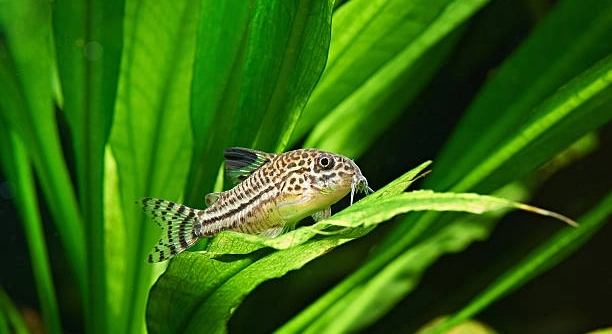
Corydoras catfish are peaceful and hardy, making them a popular choice for aquarium enthusiasts. However, like any pet, they can become sick from time to time. Recognizing the signs early can help prevent serious health issues.
To determine if your Corydoras catfish is sick, observe their behavior, eating habits, and physical appearance. Symptoms such as loss of appetite, abnormal swimming, or visible changes in their body may indicate an underlying health problem.
Identifying these symptoms will help you address your catfish’s health quickly and effectively. From changes in swimming patterns to more subtle signs, understanding your fish’s needs is key to providing proper care.
Loss of Appetite or Changes in Eating Habits
One of the first signs that your Corydoras catfish might be unwell is a change in their eating habits. These fish are usually eager to feed, so if they suddenly stop eating or seem disinterested in their food, it could indicate an underlying issue. Loss of appetite can be linked to stress, water quality problems, or even diseases. It’s important to monitor how much your catfish is eating and to watch for any changes in behavior around feeding time. If the problem persists, it’s best to check their environment and ensure that everything is in order.
Even a small change in appetite should be noticed. Corydoras are bottom feeders, so they tend to graze on food that sinks to the bottom of the tank. If you notice they are avoiding this, it could be a red flag.
To help your fish recover, try offering different food types or adjusting the tank’s conditions. Poor water quality can cause stress, so ensure the water parameters like pH, ammonia, and nitrate levels are stable. Addressing these issues will often encourage your Corydoras to start eating again.
Abnormal Swimming Behavior
Abnormal swimming behavior in Corydoras catfish is another sign that something might be wrong. If they are swimming erratically, staying near the surface, or hanging near the bottom, it could signal health issues. Healthy Corydoras swim calmly and remain close to the substrate. Their movements should be smooth and steady.
Changes in swimming patterns may point to several potential issues. Stress from tank mates, poor water conditions, or even infections can cause your Corydoras to swim unnaturally. Fish often display erratic behavior when they are feeling uncomfortable or in pain.
To check for any issues, assess the water quality and temperature. Corydoras are sensitive to water changes and may react by swimming strangely. Check for any external injuries or parasites. If no visible signs are found, the issue might be internal, and a closer look at their diet or environment might help solve the problem.
Change in Physical Appearance
If your Corydoras catfish begins to show visible changes, such as bloating, discoloration, or lesions on their body, something is wrong. These physical signs can point to illness or injury. Healthy Corydoras should have clear, smooth skin with no visible wounds or abnormal growths.
Common signs of illness include a pale or darkened body, lesions, or patches on the skin. Bloating or an unusually large belly can be a sign of digestive problems or internal infections. These symptoms are often linked to issues like poor water quality or parasites.
If you notice any of these changes, it’s important to act quickly. Assess the water quality first, as this is a common cause of skin changes. If the water seems fine, check for any signs of external parasites or physical injury. You may need to quarantine the fish and consult with a veterinarian if the issue persists.
Unusual Gasping or Breathing Difficulties
Corydoras catfish typically breathe easily through their gills, and excessive gasping at the surface is not normal. If your catfish starts to gasp or struggle for air, this is a serious concern. The problem could be related to poor water oxygenation, a respiratory infection, or high levels of toxins in the water.
Make sure the water is properly aerated to ensure your fish is getting enough oxygen. Poor water flow or an overloaded filter can result in oxygen depletion. If the water’s oxygen level is fine, the cause may be an infection or parasite affecting the gills. You should act quickly to address this, as it can become life-threatening if not treated.
Check your tank’s filtration system and water parameters immediately. Make sure your catfish is not stressed due to overcrowding or tank mates. If these conditions are not the issue, consider consulting with a professional to rule out any infections.
Fins Clamped Against the Body
When a Corydoras catfish is healthy, its fins should be spread out and relaxed. If the fins are clamped tightly against its body, this could indicate stress or illness. Clamped fins are often a sign that the fish is uncomfortable, scared, or feeling unwell.
Several factors can cause this behavior. Poor water conditions, stress from aggressive tank mates, or an underlying infection can make your catfish clamp its fins. Keep an eye on their surroundings, as stress from environmental factors often leads to this reaction.
Make sure the water quality is stable and that your Corydoras are not being harassed by other fish. If the clamping continues despite these adjustments, consider looking for signs of infection or parasites. If needed, isolate the fish and treat accordingly.
Excessive Scratching or Rubbing
Excessive scratching or rubbing against tank decorations is another indicator that your Corydoras may be sick. This behavior often suggests irritation or an external parasite like ich or skin flukes. Healthy Corydoras usually do not engage in this behavior unless something is bothering them.
Rubbing against objects could also point to skin abrasions or bacterial infections. If the fish is frequently rubbing itself, you’ll need to examine the body for visible signs of parasites, abrasions, or swelling. You may also want to inspect the water quality, as poor conditions can lead to skin irritation.
If the fish continues to scratch, consider consulting a professional to rule out any parasitic infections. It’s important to act quickly to prevent the issue from worsening and affecting the fish’s health.
Pale or Faded Coloration
Corydoras are known for their vibrant and colorful markings, but if you notice their color beginning to fade, it could be a sign of illness or poor water quality. Healthy catfish should display bright, clear colors. A pale appearance often indicates stress or poor health.
When their color fades, Corydoras may be suffering from poor water conditions, parasites, or internal issues. In many cases, changes in coloration are a warning that something in the environment needs attention, whether it’s water parameters or an infection.
It’s crucial to check the water’s temperature, pH, and ammonia levels immediately. If the water is fine, check for any physical signs of disease or parasites. If no issues are found, further investigation into their diet or tank setup might help.
FAQ
What causes Corydoras catfish to stop eating?
Loss of appetite in Corydoras catfish is commonly caused by poor water quality, stress, or illness. Changes in water temperature, pH, or high levels of ammonia can make your fish uncomfortable and reduce its interest in food. Additionally, stress from aggressive tank mates, sudden changes in the tank environment, or parasites can also lead to a loss of appetite. If your catfish isn’t eating, check the water quality and make sure that the tank is calm and stable. If the issue persists, you may need to examine the fish for signs of illness.
How do I know if my Corydoras is stressed?
Stress in Corydoras can show through changes in behavior like hiding, gasping for air, or clamping fins. Stress can be caused by poor water quality, overcrowding, or incompatible tank mates. These fish prefer a peaceful environment with stable conditions. If your Corydoras is acting differently, first check the water parameters (temperature, pH, ammonia levels) and make sure there are no aggressive tank mates or too much activity in the tank. Stress can also be triggered by sudden changes in the tank environment, so always make changes gradually.
Why is my Corydoras swimming upside down?
If your Corydoras catfish is swimming upside down or seems disoriented, it could be a sign of a swim bladder disorder. This problem is typically caused by water temperature fluctuations, poor diet, or internal infections. Swim bladder issues affect the fish’s buoyancy and can cause it to have difficulty controlling its position in the water. It’s important to check the water conditions immediately and ensure that the fish’s diet is well-balanced. If the problem continues, seek advice from an aquatic vet for proper diagnosis and treatment.
What should I do if my Corydoras has visible lesions?
Visible lesions or wounds on your Corydoras could indicate an injury, skin infection, or a parasitic problem. Check for any signs of external parasites like white spots or fuzzy growths. It’s important to isolate the affected fish to prevent it from spreading illness to others in the tank. Treat the water with a mild antibiotic or antiparasitic treatment, depending on what you suspect is causing the issue. Always ensure that the water quality is optimal to prevent further complications. If the lesions don’t heal, consider consulting with an aquatic veterinarian.
Can Corydoras get ich?
Yes, Corydoras catfish can get ich (Ichthyophthirius multifiliis), a common parasitic disease that appears as small white cysts on the skin and gills of infected fish. Symptoms include rubbing against objects, gasping at the surface, and visible white spots on the body. Ich is highly contagious and can spread rapidly in a tank, so it’s important to act quickly. Increase the water temperature slightly (but not beyond the safe range for Corydoras) and treat the tank with an ich treatment. Be sure to follow the instructions carefully to avoid harming your fish.
Why is my Corydoras acting lethargic?
Lethargy in Corydoras can be caused by several factors, including poor water quality, stress, disease, or improper diet. These fish are typically active and social, so a lack of movement is a sign something is wrong. First, check the water parameters (ammonia, nitrite, nitrate, and pH levels) to ensure they are within the proper range. Also, examine the fish for visible signs of illness, like discoloration or lesions. If the water is clean and the fish is still lethargic, a potential internal issue or infection may need further investigation.
What should I do if my Corydoras is rubbing against decorations?
Rubbing or scratching against decorations can indicate skin irritation, which is often caused by external parasites, such as skin flukes or ich. It could also point to stress or poor water conditions. Begin by checking the water quality and making sure there are no spikes in ammonia or nitrites. If the water is fine, inspect the fish for external parasites or wounds. If needed, treat the fish with appropriate medications, and consider quarantining it to prevent spreading any parasites to other tank mates. Regular water changes can also help maintain a healthy environment.
How do I improve water quality for my Corydoras?
Improving water quality is essential for the health of your Corydoras. Start by regularly checking the water parameters, including temperature, pH, ammonia, nitrites, and nitrates. Perform frequent water changes (about 25-30% weekly) and ensure that your filtration system is efficient and running well. Adding live plants can also help improve water quality by absorbing excess nutrients. Additionally, avoid overcrowding the tank, as this can lead to an increase in waste and a decrease in water quality. Always remove any uneaten food to prevent it from decaying and affecting the water.
How can I prevent disease in my Corydoras?
Preventing disease in Corydoras requires maintaining a clean, stable environment and practicing good tank management. Regularly test the water quality and perform water changes as needed. Ensure the tank is properly filtered and avoid overcrowding, which can lead to stress and disease. Introduce new fish slowly, and always quarantine them for at least two weeks before adding them to the tank to avoid introducing potential infections. Additionally, feed your fish a varied, nutritious diet to keep their immune systems strong and resistant to disease.
Final Thoughts
Taking care of Corydoras catfish can be a rewarding experience, but it’s important to be attentive to their health. These small, peaceful fish are hardy, but like all pets, they can become sick. Recognizing the signs of illness early is key to helping them recover and preventing further health problems. Whether it’s changes in behavior, appetite, or physical appearance, knowing what to look for can make a big difference. By staying vigilant and proactive, you can create a healthy environment that supports your fish’s well-being.
The most important factor in maintaining a healthy tank for your Corydoras is keeping the water clean and stable. These fish are sensitive to poor water quality, so regular testing and maintenance are essential. Proper filtration, consistent water changes, and monitoring the temperature and pH will ensure your Corydoras are living in optimal conditions. Additionally, providing a varied and balanced diet will help keep them strong and resistant to illnesses. A well-maintained tank reduces the likelihood of common health issues, such as skin problems, infections, or digestive issues.
If your Corydoras catfish does show signs of illness, don’t panic. Many health problems can be addressed with simple adjustments to their environment or diet. In some cases, you may need to isolate the sick fish to prevent the spread of disease to other tank mates. If you notice persistent symptoms, such as changes in swimming behavior or appearance, it’s always a good idea to consult with an expert or veterinarian who specializes in fish health. With the right care and attention, your Corydoras can thrive and enjoy a long, healthy life in your aquarium.

Hello,
If you enjoy the content that we create, please consider saying a "Thank You!" by leaving a tip.
Every little bit helps us continue crafting quality advice that supports the health, happiness, and well-being of pets around the world, for pets of all shapes, sizes, and species.
We really appreciate the kindness and support that you show us!