
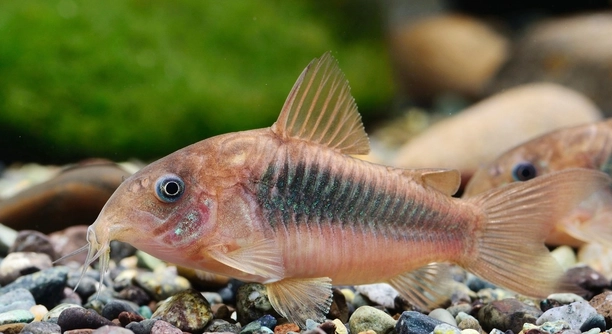
Corydoras catfish are small, peaceful fish that many aquarium owners adore. While they are generally hardy, certain factors can harm them without you even realizing. Understanding what can harm your fish is important for their well-being.
There are several unnoticed factors that can harm your Corydoras catfish, including poor water quality, overfeeding, and sudden changes in temperature. Improper tank mates, toxic plants, and even improper substrate can also have a negative effect on their health.
By learning how these elements affect your Corydoras, you’ll be better prepared to provide them with a safe, healthy environment. Small changes can make a big difference in their care.
Poor Water Quality
Water quality is one of the most crucial factors for the health of your Corydoras catfish. They are sensitive to pollutants like ammonia, nitrites, and nitrates, which can build up in the tank. Even small amounts can be harmful over time, leading to stress, disease, and even death. Regular water changes, monitoring pH, and ensuring the proper filtration system will help keep these toxins in check.
A water test kit can be a lifesaver for aquarium owners. These kits let you measure ammonia, nitrites, and nitrates, giving you an idea of what’s going on in your tank. High levels of any of these chemicals can be deadly for your Corydoras catfish.
It’s easy to forget that your fish are living in water that needs to stay clean and stable. A filter that is too weak or clogged with debris can allow toxins to build up. Doing regular water tests and keeping the tank’s filtration system clean will give your Corydoras a healthier environment to thrive in. Make sure to change the water regularly and remove uneaten food or waste quickly to prevent toxins from developing.
Overfeeding
Overfeeding can harm your Corydoras catfish in several ways. Extra food in the tank can cause water quality issues and even lead to bloating in the fish.
Feeding your Corydoras catfish the right amount of food is essential for their health. Overfeeding leads to leftover food decaying in the water, which can cause a rise in ammonia levels. This puts additional stress on your fish, affecting their immune systems and overall well-being. It’s easy to think that feeding them more will make them healthier, but this is actually counterproductive.
It’s better to feed your fish small amounts of food at a time, making sure they eat it all within a few minutes. This prevents leftover food from accumulating and polluting the water. Feed them only what they can consume in 2-3 minutes to maintain a balanced and healthy environment. This also helps prevent obesity in your fish, which is another risk of overfeeding.
Sudden Temperature Changes
Corydoras catfish are sensitive to sudden temperature shifts. Even small changes in water temperature can cause stress, which weakens their immune systems and makes them more susceptible to illness. Keeping the water at a consistent, stable temperature is key to their health.
It’s important to use a reliable heater with a thermostat to maintain a constant temperature in your tank. Corydoras catfish generally thrive in temperatures between 72°F and 78°F (22°C to 26°C). If the water gets too cold or too hot, it can impact their behavior and health, making them more vulnerable to diseases.
Avoid placing your aquarium near windows, vents, or areas where the temperature fluctuates, such as near an air conditioner or heater. Doing so will help prevent the water temperature from changing too rapidly, which could put unnecessary stress on your fish. Regularly monitor the water temperature to ensure it stays within the ideal range for your Corydoras.
Incorrect Tank Mates
Not all fish make good tank mates for Corydoras catfish. Aggressive fish can stress them out, while overly territorial species may cause harm. It’s important to choose peaceful, community-friendly fish to share the tank with your Corydoras.
Corydoras are peaceful, bottom-dwelling fish, so they don’t compete well for food or territory. Ideal tank mates are peaceful fish that also enjoy similar water conditions. Avoid pairing Corydoras with larger, aggressive fish or species known for fin-nipping. Fish like tetras, guppies, and peaceful barbs usually make good companions for Corydoras.
Choosing the right tank mates isn’t just about peace; it’s also about keeping the water quality stable. More fish can increase the waste in the tank, so you need to make sure your filtration system can handle the extra load. It’s also a good idea to avoid overcrowding, as this can further stress your Corydoras catfish.
Toxic Plants
Some aquarium plants can be toxic to Corydoras catfish if they release harmful substances into the water. It’s essential to research the plants before adding them to the tank to avoid potential harm.
Plants like water sprite, java fern, and Anubias are generally safe, but others, like certain species of lilies or floating plants, can cause harm. Make sure to avoid plants that could leach harmful chemicals or fertilizers into the water. Carefully check plant labels or ask for expert advice when choosing new plants.
Make sure to regularly clean the plants in your tank to prevent rot or decay. Rotten plant matter can introduce toxins into the water, affecting your fish. If you notice any dead or decaying leaves, remove them immediately to keep the water clean and safe for your Corydoras.
Poor Substrate Choice
Choosing the wrong substrate can also harm Corydoras catfish. Sharp, rough gravel can damage their delicate barbels, while fine sand is ideal for their bottom-dwelling lifestyle.
Corydoras catfish like to sift through the substrate with their barbels to search for food. Sharp gravel can cause cuts and infections, so it’s best to use smooth, fine sand or small, rounded pebbles. This ensures that they can comfortably dig without injury. Additionally, fine sand doesn’t trap waste as much as gravel, which helps maintain a cleaner tank.
If your tank currently has sharp gravel, consider switching to sand. Make sure it’s fine enough that your fish can move through it without trouble. A safe, comfortable substrate goes a long way in supporting their overall well-being.
Overcrowding
Overcrowding your aquarium can lead to stress and health issues for Corydoras catfish. When there are too many fish in a tank, it can cause water quality problems and affect everyone’s health.
Keeping your tank appropriately stocked is key. If there are too many fish, waste levels will rise, and oxygen will decrease, creating a poor environment. It can also prevent your Corydoras from getting enough space to swim and explore. Avoid overcrowding by ensuring your tank is appropriately sized for the number of fish you have.
FAQ
What is the ideal water temperature for Corydoras catfish?
The ideal water temperature for Corydoras catfish ranges from 72°F to 78°F (22°C to 26°C). Temperatures outside this range can stress your fish, weaken their immune systems, and make them more susceptible to illness. A stable, consistent temperature is crucial for their health. Use a good-quality aquarium heater with a thermostat to maintain the temperature within this range.
Can Corydoras catfish live with bettas?
Corydoras catfish can live with bettas, but you must consider their behavior. Bettas are known for being territorial, especially males. If the betta becomes aggressive, it may harm the Corydoras. It’s best to choose a peaceful betta, ensure there’s plenty of space in the tank, and provide hiding spots for the Corydoras to avoid conflict.
How often should I feed my Corydoras catfish?
Feed your Corydoras catfish once or twice a day, offering only as much food as they can consume within 2-3 minutes. Overfeeding can lead to water quality problems and obesity in the fish. Remove any uneaten food after a few minutes to prevent it from decaying and polluting the tank.
Can Corydoras catfish live with goldfish?
Corydoras catfish and goldfish should generally not be kept together. Goldfish are often much larger and can be more aggressive, especially when it comes to food. Goldfish may also create waste that leads to poor water quality, which could harm the sensitive Corydoras. It’s better to house them separately.
How can I tell if my Corydoras catfish is stressed?
Signs of stress in Corydoras catfish include excessive hiding, erratic swimming, or staying near the surface of the water. They may also refuse food or become more aggressive than usual. Stress can often be caused by poor water quality, incorrect tank mates, or sudden environmental changes. Identifying the cause and making adjustments quickly will help reduce stress in your fish.
What kind of substrate is best for Corydoras catfish?
The best substrate for Corydoras catfish is fine sand or small, rounded pebbles. These fish like to sift through the substrate with their barbels, and sharp gravel can damage their delicate whiskers. Fine sand also helps keep the water cleaner by not trapping waste as much as gravel does.
Do Corydoras catfish need a filter?
Yes, Corydoras catfish need a filter to maintain water quality. These fish produce waste that can quickly deteriorate water conditions if not properly filtered. A good filter removes toxins like ammonia and nitrites, ensuring the water remains safe for your fish. Choose a filter with moderate flow, as Corydoras prefer calm waters.
What are the best tank mates for Corydoras catfish?
Corydoras catfish do well with other peaceful, small to medium-sized fish. Suitable tank mates include tetras, guppies, mollies, and peaceful barbs. Avoid aggressive or larger fish that may harm the Corydoras or compete for food. Corydoras thrive in community tanks, provided the other species are calm and have similar water requirements.
How can I keep my Corydoras catfish from getting sick?
To keep your Corydoras catfish healthy, focus on maintaining good water quality, feeding them a balanced diet, and avoiding stress. Regular water changes, a properly working filter, and a stable water temperature are essential. Make sure to remove any uneaten food promptly and provide a clean, safe tank environment. Regularly check for signs of illness such as faded colors, abnormal swimming, or loss of appetite.
Do Corydoras catfish need a lot of swimming space?
Corydoras catfish are bottom dwellers and prefer tanks with plenty of hiding spots and open space on the bottom. They don’t need a lot of vertical swimming space but should have room to swim around on the bottom and sift through the substrate. Providing a well-planted tank with caves or driftwood will give them the space they need to feel secure and comfortable.
Can I use tap water for my Corydoras catfish tank?
You can use tap water, but it should be treated to remove chlorine or chloramine. These chemicals are harmful to fish. Use a water conditioner to neutralize these substances before adding the water to the tank. Additionally, check the water’s hardness and pH, as Corydoras prefer soft to moderately hard water with a slightly acidic to neutral pH.
What do Corydoras catfish eat in the wild?
In the wild, Corydoras catfish are omnivores and eat a variety of food sources, including small invertebrates, detritus, and plant matter. In your aquarium, feed them high-quality pellets, frozen or live foods like bloodworms or brine shrimp, and occasional vegetable matter like blanched zucchini or spinach. Offer a balanced diet to maintain their health.
How long do Corydoras catfish live?
Corydoras catfish typically live 5 to 7 years in a well-maintained aquarium, although some have been known to live even longer with optimal care. Their lifespan depends on factors like water quality, diet, and the overall environment. Providing them with consistent care will help them reach their full potential.
Can Corydoras catfish breed in an aquarium?
Yes, Corydoras catfish can breed in an aquarium. To encourage breeding, maintain clean water, slightly cooler temperatures (around 70°F to 75°F), and provide them with a well-planted tank. Corydoras usually breed in pairs, and the female lays eggs on flat surfaces like leaves or decorations. After hatching, the fry can be fed fine food like infusoria or liquid fry food until they are large enough to eat larger foods.
Why are my Corydoras catfish not eating?
If your Corydoras catfish are not eating, it may be due to water quality issues, stress, or illness. Check the water parameters and ensure everything is stable. Stress can come from aggressive tank mates, poor water conditions, or changes in the environment. If the problem persists, consult a vet or experienced aquarist.
Final Thoughts
Corydoras catfish are generally hardy and peaceful fish, making them a popular choice for many aquarists. However, as with any pet, it’s important to provide them with the right environment to thrive. Paying attention to their water quality, diet, and tank mates can prevent most common issues. Regular maintenance, such as water changes and monitoring tank conditions, will go a long way in keeping your Corydoras healthy and happy. It’s important to understand their needs and make small adjustments to avoid any problems that may arise without you noticing.
Keeping an eye on the little things, like the temperature, substrate, and even the plants in the tank, will help create a comfortable environment for your Corydoras. Small mistakes, like using sharp gravel or overfeeding, can have a significant impact on their health. Fortunately, once you understand what can harm your fish, making those changes is easy. Your Corydoras will reward you with their peaceful nature and fascinating behavior. They enjoy socializing with other peaceful fish, and their bottom-dwelling habits make them entertaining to watch.
In the end, Corydoras catfish are relatively low-maintenance when given the proper care. They’re resilient, but understanding their specific needs can help prevent issues before they become serious problems. Whether you’re a beginner or experienced aquarist, keeping these key factors in mind will ensure your Corydoras catfish remain healthy and live a long, fulfilling life in your aquarium.

Hello,
If you enjoy the content that we create, please consider saying a "Thank You!" by leaving a tip.
Every little bit helps us continue crafting quality advice that supports the health, happiness, and well-being of pets around the world, for pets of all shapes, sizes, and species.
We really appreciate the kindness and support that you show us!