
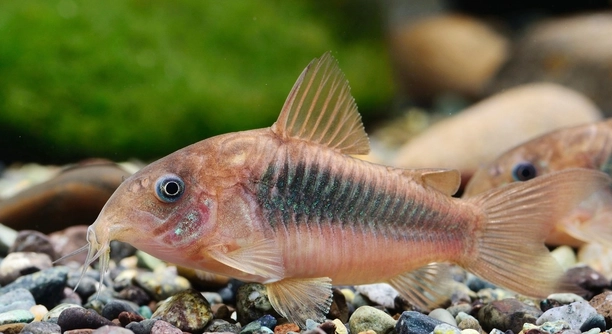
Do you ever notice your Corydoras catfish gasping at the surface of the tank? Many fish owners worry when they see this behavior, as it could signal something is wrong with the fish or its environment.
Your Corydoras catfish might be gasping at the surface due to low oxygen levels, poor water quality, or stress. Other factors like high water temperatures, illness, or an overcrowded tank can also contribute to this behavior.
Understanding the causes behind this behavior can help you address it effectively. Let’s take a closer look at these factors and how they impact your fish’s health.
Low Oxygen Levels
Corydoras catfish are bottom dwellers, which means they tend to stay near the tank floor. If the oxygen levels are low, they may struggle to get enough air and will swim to the surface. This is a common sign that the water needs better aeration. In tanks with insufficient water movement or poor filtration, oxygen can become depleted. Oxygen depletion may happen especially if you have a heavily stocked tank or the water is warm, which reduces oxygen content. If your fish are gasping, it’s important to check water conditions right away.
Adding an air pump or upgrading your filter can make a big difference. These devices help move the water and increase oxygen levels, ensuring your fish have plenty of air to breathe. Additionally, making sure the tank has proper surface agitation helps with oxygen exchange.
Sometimes, simply increasing the surface area of the tank can improve oxygen levels. A wider tank or more plants may give the water better flow, making it easier for your catfish to breathe. With these adjustments, you’ll likely see improvement in your fish’s behavior.
Poor Water Quality
If the water quality is poor, your Corydoras catfish will struggle. Dirty water filled with toxins, ammonia, or nitrites stresses the fish and can lead to gasping at the surface. Poor water quality might also cause other symptoms, like reduced activity or erratic swimming. Over time, this can weaken the fish and make them more susceptible to illness.
To prevent this issue, perform regular water changes and make sure your filtration system is working well. Testing the water regularly for ammonia, nitrite, and nitrate levels is essential. The ideal parameters for Corydoras catfish are stable, clean water with a pH of around 6.5 to 7.5, a temperature between 72°F and 78°F, and low nitrate levels.
By keeping the water clean, you provide your catfish with a healthier environment, allowing them to thrive and avoid stress. Keeping an eye on water quality will help prevent further problems in your tank.
High Water Temperature
Warm water holds less oxygen, and high temperatures can cause your Corydoras to gasp at the surface. These fish are best suited to a stable temperature range of 72°F to 78°F. If the water gets too warm, it can stress your catfish and make it harder for them to breathe.
To maintain a comfortable temperature for your fish, check the water regularly using a thermometer. If you notice the temperature rising, especially during summer months, consider using a cooling fan or lowering the temperature with a chiller.
Make sure the aquarium isn’t placed in direct sunlight or near a heat source, as this can cause the water to warm up quickly. Keeping the tank in a stable, cool environment will reduce the risk of gasping and improve your fish’s overall health.
Stress
Stress can cause Corydoras to gasp, and there are many things that can stress them out. Overcrowding, sudden changes in water conditions, and incompatible tank mates can all contribute to this behavior. Even changes in lighting or loud noises can cause them to feel uneasy.
One way to reduce stress is to provide plenty of hiding places. Corydoras like to feel safe, so adding plants, rocks, and caves to the tank can help. Avoid making sudden changes to the tank environment, such as adding or removing decorations, as this can unsettle your fish.
Additionally, monitor the behavior of other fish in the tank. Aggressive or overly active tank mates can cause your Corydoras to feel threatened, leading to stress and possibly gasping at the surface.
Illness
Illness can make Corydoras catfish gasp for air. If they are infected with parasites or bacterial diseases, their gills may become inflamed or damaged, making it harder for them to get enough oxygen. You might notice other symptoms, like lethargy or loss of appetite.
In such cases, quarantine the affected fish and treat the illness with appropriate medications. Regularly check for any signs of infection, such as visible sores or strange swimming patterns. Early detection and treatment will help prevent the disease from spreading to other fish and give your Corydoras a better chance at recovery.
Overcrowding
Overcrowding is a major problem in aquariums. Too many fish in a small space can lead to poor water quality, stress, and inadequate oxygen levels. Corydoras, like most fish, need enough space to swim freely.
Ensure your tank is the right size for the number of fish you have. Ideally, there should be at least 2 gallons of water per inch of fish. Overcrowding increases the likelihood of stress and poor water conditions, both of which can make your Corydoras gasp for air. Keep the fish population manageable to maintain a healthy, happy tank.
Poor Filtration
Without proper filtration, the water in your tank can quickly become dirty, leading to oxygen depletion and high toxin levels. Corydoras rely on clean water to stay healthy, and poor filtration can cause stress and illness.
To avoid this issue, invest in a good filtration system suited to the size of your tank. Make sure to clean the filter regularly, as buildup can reduce its efficiency. By maintaining clean, filtered water, you can reduce the chances of your Corydoras gasping for air and ensure their long-term health.
FAQ
Why is my Corydoras gasping for air?
Corydoras may gasp for air when oxygen levels are low, the water quality is poor, the temperature is too high, or they are stressed. A drop in oxygen levels is one of the most common reasons. Make sure the water is well-aerated with a filter or air pump. Check the temperature and ensure it’s within the ideal range of 72°F to 78°F. If you’ve recently added new fish or made changes to the tank, stress could also be the cause. Keep an eye on the water parameters and adjust accordingly.
What is the ideal water temperature for Corydoras catfish?
Corydoras catfish prefer water temperatures between 72°F and 78°F (22°C to 26°C). If the temperature rises above 78°F, it can lower oxygen levels, leading to stress and gasping. If the temperature falls below 72°F, they can become sluggish, affecting their overall health. You can use a heater to maintain a stable temperature, especially in colder climates, but always ensure the temperature doesn’t fluctuate too much.
How often should I change the water in my tank?
Water changes are crucial for maintaining a healthy environment for Corydoras. It’s recommended to change 20-30% of the water every 1 to 2 weeks. This helps remove excess waste, toxins, and keeps oxygen levels stable. If your tank is heavily stocked or filtration is not adequate, you may need to change the water more frequently. Always use a water conditioner to remove chlorine and chloramine from tap water before adding it to your tank.
Can poor filtration cause my Corydoras to gasp for air?
Yes, poor filtration can lead to a buildup of waste, toxins, and low oxygen levels in the tank, which may make your Corydoras gasp for air. A good filtration system is essential for keeping the water clean and well-oxygenated. Make sure your filter is powerful enough for the size of your tank and clean it regularly to maintain its efficiency. Additionally, surface agitation helps improve oxygen exchange, so consider placing the filter in a position that creates gentle ripples on the water’s surface.
Should I be concerned if my Corydoras are swimming at the surface?
Corydoras are bottom-dwelling fish, and they generally stay close to the substrate. If you notice them swimming at the surface, it could indicate an issue such as low oxygen levels or poor water quality. However, it’s also possible they’re just looking for food or checking out the environment. If it’s a one-off occurrence, it may not be a cause for concern. But if the behavior persists, you should check the water quality, filtration, and oxygen levels to ensure they are within healthy ranges.
Is it normal for Corydoras to breathe at the surface occasionally?
Yes, it’s normal for Corydoras to occasionally come to the surface for a breath of air. Corydoras are known to use their gut to gulp air at the surface, especially if oxygen levels are low. This behavior, known as “air-breathing,” is completely natural and helps them survive in low-oxygen environments. However, if this becomes a frequent behavior, it may indicate that your tank needs better oxygenation or has other issues like poor water quality.
How can I increase oxygen levels in my tank?
Increasing oxygen levels is crucial for maintaining the health of your Corydoras. You can do this by adding an air pump, which helps increase surface agitation and improve gas exchange. Another way is to ensure your filter creates enough water movement at the surface. Adding live plants can also help, as they release oxygen into the water during the day. Regular water changes and maintaining a good filtration system are also important for keeping oxygen levels high.
Can high temperatures cause Corydoras to gasp for air?
Yes, high water temperatures can reduce oxygen levels and cause Corydoras to gasp at the surface. When the water is too warm, oxygen solubility decreases, making it harder for your catfish to breathe. Keeping the water temperature within the ideal range of 72°F to 78°F will help prevent this. If the temperature consistently rises above this range, try using a cooling fan, tank chiller, or placing your aquarium in a cooler spot away from direct sunlight.
What are some signs that my Corydoras are stressed?
Stress can lead to health problems for Corydoras. Signs of stress may include rapid swimming, hiding excessively, loss of appetite, or gasping for air. If your catfish are frequently coming to the surface or showing erratic behavior, it may be a sign of stress due to poor water quality, overcrowding, or incompatible tank mates. Providing hiding spots, keeping the water clean, and reducing sudden changes in the tank can help reduce stress and improve their overall well-being.
What should I do if my Corydoras show signs of illness?
If your Corydoras show signs of illness, such as gasping, lethargy, or unusual swimming behavior, it’s important to address the issue quickly. Start by isolating the sick fish in a quarantine tank to prevent the spread of disease. Check the water parameters and make necessary adjustments. If the fish show signs of infection or parasites, use appropriate treatments for the specific illness. Consult a veterinarian or an aquatic expert for further advice if necessary.
Final Thoughts
If your Corydoras catfish are gasping at the surface, it’s important to address the underlying causes to ensure their well-being. As bottom-dwellers, Corydoras are naturally sensitive to changes in water quality, oxygen levels, and temperature. Any of these factors can cause them to behave in ways that suggest they’re struggling, such as gasping for air. The good news is that most of these issues can be resolved by making some simple adjustments to the tank environment. Regular monitoring of water conditions, providing proper aeration, and keeping the tank clean can prevent many of the problems that lead to stress and gasping.
When it comes to maintaining a healthy aquarium, consistency is key. Corydoras are resilient fish, but they thrive in stable conditions. Sudden changes in their environment, like rapid temperature shifts or drastic water quality fluctuations, can lead to stress. Stress can weaken their immune system and make them more susceptible to disease. By regularly checking the temperature, pH levels, and ammonia or nitrate concentrations in the tank, you can help your catfish stay in optimal health. A good filtration system, proper aeration, and regular water changes are all essential components of maintaining a stable tank.
Lastly, remember that Corydoras, like all fish, need both physical and mental stimulation. Providing a variety of hiding spots, plants, and tank mates can reduce stress and encourage natural behavior. While these fish enjoy a peaceful environment, they also appreciate the opportunity to explore and feel secure. Keep an eye on your tank, and always address any signs of trouble right away. With a little care and attention, your Corydoras catfish can live a long, happy life.

Hello,
If you enjoy the content that we create, please consider saying a "Thank You!" by leaving a tip.
Every little bit helps us continue crafting quality advice that supports the health, happiness, and well-being of pets around the world, for pets of all shapes, sizes, and species.
We really appreciate the kindness and support that you show us!