
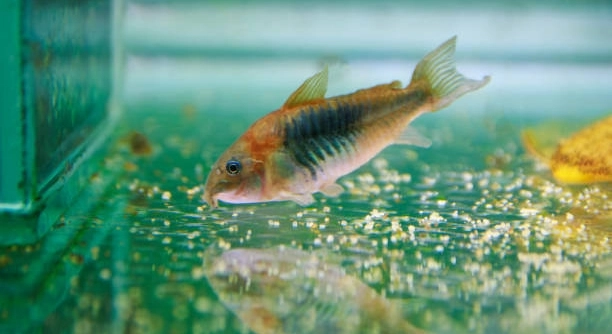
Corydoras catfish are fascinating creatures that thrive in peaceful, stress-free environments. Understanding how to bond with them can enhance their well-being and make them feel safe and comfortable in their habitat.
To bond with your Corydoras catfish, focus on creating a calm environment that mimics their natural habitat. Provide hiding spots, maintain stable water conditions, and interact gently. Avoid sudden movements, as this can cause stress and disrupt their sense of security.
Building a connection with your fish ensures their happiness and health, which is crucial for their long-term care.
Create a Peaceful Environment
Corydoras catfish are naturally shy and prefer a quiet, undisturbed space. To bond with them, start by providing a calm and secure environment. Place smooth rocks, plants, or driftwood in the tank to give them places to hide. These hiding spots will help them feel less exposed and more comfortable, encouraging them to explore the space at their own pace. It’s essential to keep the water quality stable, as sudden changes can cause stress. Maintain a gentle water flow and ensure proper filtration to avoid any harsh currents. Lighting should be dim, as bright lights can intimidate them. The more consistent you are in maintaining a peaceful environment, the more likely your Corydoras will trust you over time.
Creating a peaceful environment not only helps bond with your catfish but also ensures their overall well-being. It will encourage natural behaviors like foraging and swimming, allowing them to thrive.
Small adjustments, like adding more plants or soft lighting, can have a big impact. Corydoras thrive in calm, secure environments, which makes them more comfortable around their caregivers. A well-maintained tank will ensure these fish feel at home and safe enough to build trust.
Gentle Feeding Habits
Feeding your Corydoras is a chance to build trust. Use sinking pellets or frozen foods that they can easily access at the bottom of the tank. Avoid sudden movements during feeding times, as they may spook the fish. Offering food in the same area regularly will help your catfish associate you with a consistent, positive experience. Don’t overfeed, as this can create excess waste, which may affect the water quality and stress the fish. Keep feeding times calm and relaxed to create a positive association with your presence.
While Corydoras are not aggressive, they do appreciate routine feeding times. With consistent care and gentle interaction, you can create a bond where they feel comfortable swimming near you. Over time, they may even follow your finger as you approach the tank.
A predictable feeding schedule is key. When they learn that you are the source of food, they’ll become less shy and more comfortable in your presence. Be patient, and they’ll soon trust you enough to interact more closely.
Regular Water Changes
Regular water changes are crucial for maintaining a healthy environment. Aim for at least a 25% water change every week. This helps remove waste and keeps the water oxygenated. The cleaner the water, the more your Corydoras will thrive, reducing stress and improving their comfort levels.
To avoid stressing the fish, make sure the new water matches the temperature and pH of the tank. Sudden changes in water quality can harm the fish and hinder bonding efforts. During water changes, be gentle and avoid disturbing the substrate too much. Maintaining a stable, clean environment encourages your Corydoras to feel secure and more open to interaction.
A clean tank is essential for their well-being. By maintaining regular water changes, you are not only supporting their health but also providing them with an optimal environment where bonding can occur naturally. Keeping the water free from toxins will reduce the risk of illnesses and encourage them to explore and engage with you more often.
Minimize Stressful Interactions
Handling your Corydoras too frequently can cause stress, hindering the bonding process. Let them approach you on their own terms. Avoid sudden movements or loud noises around the tank, as they can make the fish feel threatened.
Stressful interactions, such as tapping on the glass or moving too quickly near the tank, can cause your Corydoras to retreat or become anxious. Allow them to acclimate to your presence and keep your interactions calm and slow. The more you respect their space and avoid startling them, the easier it will be for them to trust you. This patience will lead to a stronger connection over time.
By keeping their interactions stress-free, you’ll notice they become more comfortable around you. Over time, they may swim near the surface when they see you, recognizing you as a calm, non-threatening presence.
Consistent Tank Maintenance
Consistency in tank maintenance helps your Corydoras feel secure. Check filtration, water quality, and equipment regularly to ensure everything is functioning properly. Any sudden malfunction can stress the fish, making them wary of their environment. Regular upkeep prevents unnecessary changes that might disrupt their comfort.
Keeping a stable environment is key. Monitor the temperature, pH, and water hardness frequently. By addressing any issues promptly, you’ll avoid any stress triggers. Consistent maintenance builds trust, ensuring your Corydoras are comfortable and secure in their home, making it easier for them to bond with you over time.
Gentle Tank Decorations
Add soft, non-abrasive decorations to the tank. Avoid sharp objects that could harm your Corydoras. Smooth rocks, plants, and driftwood offer hiding places without causing damage. Simple decorations are often more than enough to create a comfortable space for your fish.
Make sure decorations don’t overcrowd the tank. Corydoras need room to swim freely and explore their surroundings. When placing new items, do so carefully to avoid sudden changes. Overcrowding can stress the fish, so balance decoration with open swimming areas to promote relaxation and exploration.
Light and Temperature Control
Adjust the lighting to avoid extremes. Corydoras prefer dim, natural light, which mimics their natural habitat. Use low-wattage bulbs or floating plants to filter the light. This creates a comfortable atmosphere for the fish without overwhelming them with too much brightness.
Maintain a stable temperature between 72°F and 78°F (22°C to 26°C). A consistent temperature range is essential for their well-being. Use a reliable heater to keep the water temperature steady, and avoid drastic fluctuations, as this could stress the fish and disrupt their natural behaviors.
FAQ
How do I know if my Corydoras is stressed?
A stressed Corydoras will often display signs such as hiding more than usual, swimming erratically, or staying at the surface of the water. They might also stop eating or exhibit rapid gill movement. If you notice these signs, it’s important to evaluate the tank’s conditions and reduce any stress factors.
Corydoras are sensitive to changes in their environment, so factors like sudden water changes, poor water quality, or even aggressive tankmates can lead to stress. If your Corydoras is hiding frequently or has a lack of energy, check the tank for any issues that could be causing discomfort. Pay attention to the water temperature, pH, and cleanliness to ensure they’re within the ideal range for your fish. Reducing noise and sudden movements near the tank can also help ease their anxiety.
Can I keep Corydoras with other fish?
Yes, Corydoras are peaceful fish and generally get along well with other non-aggressive species. They prefer to be in groups, so keeping at least three or four together is ideal. Avoid pairing them with overly aggressive or territorial fish that might stress them.
Tankmates should have similar care requirements, particularly regarding water temperature and pH. Corydoras are bottom dwellers, so they’ll mostly stay near the substrate, making them compatible with fish that prefer swimming higher in the tank. Avoid fish that are known to nip fins or are overly aggressive. When selecting tankmates, ensure there is enough space for all the fish to coexist without feeling crowded. A peaceful community will allow your Corydoras to thrive.
What is the best food for Corydoras catfish?
Corydoras are omnivores and thrive on a varied diet. They enjoy sinking pellets, algae wafers, and occasional live or frozen foods such as bloodworms, brine shrimp, or daphnia. It’s important to provide food that sinks to the bottom since they forage along the substrate.
A balanced diet is key to their health. Offer a variety of foods to ensure they receive the nutrients they need. Be careful not to overfeed, as uneaten food can pollute the water. Providing them with regular feedings at consistent times will also help them feel more comfortable around you. Consider rotating different types of food to keep their diet interesting and varied.
Do Corydoras need a lot of space?
Corydoras don’t need a huge tank, but they do appreciate having enough room to swim and explore. A 20-gallon tank is usually the minimum size for a small group of Corydoras. They prefer having open swimming areas as well as places to hide and feel safe.
While they don’t require large swimming areas, it’s important to provide them with enough space to move around comfortably. Overcrowding can stress them out and cause health problems. A well-planted tank with open areas will allow them to engage in their natural behaviors while also providing shelter. Make sure the tank is large enough to accommodate both the Corydoras and their tankmates.
How do I help my Corydoras adjust to a new tank?
To help your Corydoras adjust to a new tank, make sure the water conditions are stable and appropriate for their needs. Avoid making sudden changes to temperature, pH, or water hardness. Place them gently in the tank and allow them time to explore on their own.
New fish can feel overwhelmed when introduced to a new environment, so give them space and time to acclimate. Avoid feeding them right away, as they may be too stressed to eat. Let them settle into their new home, and gradually introduce food when you notice they are more active. Keep the tank quiet and calm, especially in the first few days, to minimize stress.
Why is my Corydoras catfish staying at the surface?
If your Corydoras is staying at the surface, it could indicate poor water quality or low oxygen levels. Corydoras are bottom dwellers and typically prefer staying near the substrate. They may swim to the surface to gulp air if the water is not properly aerated.
Check the filtration system and ensure it is running properly. If the water has a low oxygen level, consider adding an air stone or increasing surface agitation. Make sure to monitor the water parameters regularly to maintain optimal conditions. If the issue persists, perform a water change to restore balance in the tank. Keep an eye on other tank conditions as well, as poor water quality can lead to further health problems.
Do Corydoras catfish need a filter?
Yes, Corydoras catfish need a filter to keep the water clean and properly oxygenated. While they prefer calm waters, a good filtration system is essential to remove waste and maintain a stable environment. Choose a filter with gentle flow to avoid stressing the fish.
Filters help keep the water free of toxins, which is crucial for the health of your fish. If the filter produces too much current, consider using a sponge filter to provide aeration without disrupting the tank. Regular maintenance of the filter, including cleaning and checking the flow, ensures your Corydoras will have a healthy and stress-free environment to thrive in. A properly filtered tank prevents disease and promotes overall well-being.
How can I tell if my Corydoras catfish is healthy?
Healthy Corydoras catfish are active, curious, and maintain a good appetite. They should have smooth, vibrant skin with no visible lesions or discoloration. Their behavior should be calm, and they should be swimming with their group.
If your Corydoras is swimming erratically, spending too much time hiding, or refusing food, these could be signs of stress or illness. Healthy Corydoras will also breathe calmly and not excessively gasp at the surface. Checking water quality, diet, and overall behavior is key to determining their health. If you notice signs of illness, it’s important to address the issue immediately to prevent further complications.
Final Thoughts
Corydoras catfish are wonderful, low-maintenance fish that can be easy to care for if their environment is kept stable and comfortable. They enjoy a peaceful, well-maintained tank and thrive in the company of other non-aggressive fish. By making sure the water conditions are right, providing appropriate food, and ensuring a stress-free environment, you can help your Corydoras live a long and healthy life. These fish have unique behaviors that make them fun to watch, especially when they interact with their surroundings and each other. Their ability to adapt to different tank setups makes them ideal for both beginners and experienced fish keepers.
Building a bond with your Corydoras doesn’t require a lot of effort. Simple actions like maintaining a clean tank, using gentle lighting, and keeping them in groups can go a long way in making them feel comfortable and secure. Over time, they will become more accustomed to your presence, and you’ll notice them being more active and confident. The key is to avoid overwhelming them with sudden changes and provide them with a stable, peaceful home. Corydoras are naturally curious, so creating an environment that encourages exploration will keep them mentally and physically healthy.
While they may not show affection in the way some other pets do, Corydoras can form a bond with their caretakers by simply becoming more relaxed and accustomed to their presence. They can be active, playful fish when they feel safe, which is a rewarding experience for any fish keeper. In the end, caring for your Corydoras is about providing the right conditions, observing their needs, and ensuring they feel secure. With a little effort and attention, you can enjoy the company of these fascinating fish for years to come.

Hello,
If you enjoy the content that we create, please consider saying a "Thank You!" by leaving a tip.
Every little bit helps us continue crafting quality advice that supports the health, happiness, and well-being of pets around the world, for pets of all shapes, sizes, and species.
We really appreciate the kindness and support that you show us!