
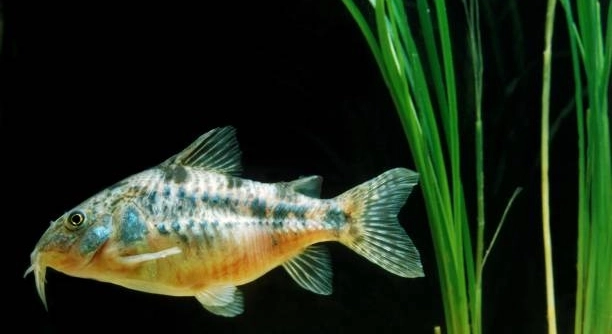
Corydoras catfish are known for their calm and reserved nature, but if you’ve noticed yours becoming more social lately, you’re not alone. Changes in behavior can happen for various reasons in aquarium settings.
Corydoras catfish may become more social due to factors such as improved water quality, environmental enrichment, or changes in tank mates. A more comfortable and secure environment encourages them to interact with each other and explore more openly.
Understanding these explanations can help you create a more comfortable setting for your Corydoras, fostering a happy and active environment.
Improved Water Quality
When water quality improves, your Corydoras catfish will likely show signs of increased social behavior. Clean water means fewer toxins like ammonia and nitrites, which could make them stressed or uncomfortable. This reduction in stress often results in more active and sociable behavior. For example, when tank conditions are ideal, the fish will move around more freely and interact with each other.
By regularly checking the water parameters—such as pH, temperature, and hardness—you can maintain a healthy environment for your fish. Good filtration systems are crucial for keeping the water clear and well-oxygenated, which contributes to your fish’s well-being.
Proper water quality not only makes your fish feel safe but also enhances their social interactions. A happy and healthy Corydoras catfish will likely form bonds with others in the tank, especially when they are comfortable in their environment.
Tank Enrichment
Corydoras catfish enjoy exploring their surroundings, and adding enrichment to the tank can encourage them to be more social. Things like rocks, plants, and tunnels give them a sense of security and interest, leading them to move around and interact more.
A tank filled with hiding spots and objects to investigate creates a stimulating environment. These additions mimic their natural habitat and help reduce stress, which is essential for encouraging social behavior. Corydoras are bottom dwellers, so adding structures where they can forage or seek shelter can increase their activity and interaction levels.
Offering these environmental stimuli will help foster an active, thriving community within your aquarium. As they explore their surroundings, they will naturally come together, interacting more often.
New Tank Mates
Introducing new tank mates can impact the social behavior of your Corydoras catfish. These fish are naturally peaceful and thrive in the presence of others, especially when paired with similar species. If you’ve recently added new companions, the shift in dynamics may cause them to become more social and engaged.
Corydoras often feel more secure in a group and will interact with other fish to form bonds. Adding species with similar temperaments, such as other peaceful bottom dwellers, will encourage your Corydoras to explore and engage in group activities. Over time, these interactions help create a more active and social environment.
If new tank mates are too aggressive or too timid, your Corydoras may retreat and not engage as much. Ensuring compatibility among species is important for fostering social behavior.
Increased Feeding
Changes in feeding habits can also influence the behavior of Corydoras catfish. Offering a variety of foods or increasing the frequency of feedings can encourage them to be more active and social. These fish are known to become more engaged when food is available and they often feed together in groups.
Providing high-quality foods like sinking pellets, frozen or live foods, and occasional treats encourages natural foraging behavior, which keeps the Corydoras more active. As they share the food, they’re likely to interact with each other, increasing their social behavior in the tank.
Increased feeding not only improves their physical health but also promotes interaction. The excitement and competition for food bring out the social side of Corydoras, leading to a more lively and communal atmosphere in the tank.
Tank Size
The size of your aquarium can significantly affect the behavior of your Corydoras catfish. A larger tank provides more space to swim and interact with other fish, promoting social behavior. Fish in a cramped tank may feel stressed and less inclined to socialize.
When Corydoras have ample space, they feel more secure and comfortable. This leads to increased movement and interaction, both with tank mates and the environment. Larger tanks also allow for better filtration and water quality, which in turn reduces stress and encourages social behavior.
Temperature Changes
Corydoras catfish are sensitive to changes in water temperature. Fluctuations in temperature can cause stress and make your fish less active. If the temperature remains stable and within the optimal range (22–28°C), the fish will feel more comfortable and exhibit social behaviors.
When the temperature is consistent, the fish will become more confident in their environment, leading to increased interactions with one another. Fish that are stressed due to temperature fluctuations may hide or become lethargic, preventing them from engaging with other fish.
Lighting
Lighting can influence your Corydoras catfish’s behavior. If the tank is too dark, they may feel insecure and retreat to hiding spots. Bright, but not harsh, lighting encourages more active behavior, as the fish will feel safe enough to move around and interact with their tank mates.
FAQ
Why are my Corydoras catfish swimming at the surface?
Corydoras typically prefer staying near the bottom of the tank, but if they start swimming at the surface, it could be a sign of low oxygen levels. They may be gasping for air, which can happen if the water is not properly aerated. Adding an air pump or adjusting the filtration system may help. Make sure your tank has proper water movement and oxygen levels, as well as a consistent temperature.
How can I tell if my Corydoras are stressed?
Stress can manifest in different ways, such as hiding more than usual, erratic swimming, or clamped fins. Stress might be caused by poor water quality, inappropriate tank mates, or sudden changes in the environment. To reduce stress, make sure the tank conditions are stable and provide hiding spots for the fish to feel secure. Check the water parameters regularly to ensure they are within the ideal range.
Can Corydoras catfish live with other species?
Yes, Corydoras catfish are peaceful and generally get along well with many species. They do best in community tanks with other non-aggressive fish. However, it’s important to avoid tank mates that are too aggressive or too large, as this could cause stress or aggression towards the Corydoras.
How many Corydoras should I keep together?
Corydoras are social fish and should be kept in groups of at least 3 to 6 individuals. In groups, they feel more secure and are likely to be more active and social. A larger school can lead to a more harmonious tank environment, with the fish interacting more and feeling comfortable exploring.
Why do my Corydoras catfish hide so much?
Hiding is a natural behavior, especially when Corydoras are feeling stressed or unwell. They may hide due to poor water conditions, a sudden change in their environment, or the presence of aggressive tank mates. Providing more hiding spots or adjusting water conditions can help encourage them to become more active. It’s important to monitor their health and the tank conditions regularly.
What do Corydoras catfish eat?
Corydoras are bottom feeders and prefer sinking pellets, frozen or live foods, and vegetable matter. They can eat algae wafers, brine shrimp, and bloodworms. Offering a variety of foods will help keep them healthy and active. Make sure the food sinks to the bottom, where they prefer to forage.
Do Corydoras need a filter?
Yes, Corydoras catfish need a properly functioning filtration system to ensure clean, oxygenated water. A good filter keeps the water clear and removes toxins that could harm the fish. However, it’s important to use a filter with a gentle flow, as Corydoras are not strong swimmers and may struggle in fast-moving currents.
Why do my Corydoras catfish chase each other?
Corydoras may chase each other as part of their natural social behavior. This often happens when they are establishing dominance or during mating displays. However, if the chasing becomes aggressive or continuous, it could indicate stress or territorial behavior. Ensure there is enough space and hiding spots to reduce aggression.
Can Corydoras catfish live with shrimp?
Yes, Corydoras can live peacefully with most species of shrimp. They are bottom-dwellers and typically avoid eating shrimp. However, make sure the shrimp are large enough to avoid being eaten by any other aggressive tank mates. Small shrimp may become a target for larger fish in the tank.
How often should I feed my Corydoras catfish?
Corydoras should be fed once or twice a day. It’s important to not overfeed them, as excess food can pollute the water. Sinking pellets or food that reaches the bottom of the tank are best suited for Corydoras, as they primarily forage on the substrate. Keep track of their feeding schedule to maintain healthy water conditions.
What is the ideal tank size for Corydoras catfish?
For a small group of Corydoras, a 20-gallon tank is usually sufficient. However, a larger tank will provide more space and help maintain better water quality. Ensure the tank has plenty of hiding spots and plants to mimic their natural habitat. A larger tank will also provide enough room for them to swim and interact freely with one another.
How long do Corydoras catfish live?
Corydoras catfish typically live for 5 to 10 years with proper care. Providing a stable environment, appropriate food, and routine tank maintenance can help ensure they live a long, healthy life. Their lifespan can vary depending on the species and the care they receive.
Can Corydoras catfish breed in a tank?
Yes, Corydoras catfish can breed in a home aquarium. To encourage breeding, you can adjust the water temperature slightly to mimic seasonal changes. A separate breeding tank with proper hiding spots and a stable environment is ideal for raising their fry. Corydoras usually lay eggs on flat surfaces like glass or leaves.
Do Corydoras catfish need a heater?
Corydoras catfish are tropical fish and require a stable water temperature, typically between 22–28°C. A heater is essential to maintain the right temperature, especially in cooler climates. It’s important to avoid extreme fluctuations in temperature, as this can cause stress and health issues for the fish.
Are Corydoras catfish active at night?
Corydoras are not strictly nocturnal but tend to be more active during dawn and dusk. At night, they may be less active but will still engage in light foraging. Having a gentle light cycle and some dim lighting at night can help your fish feel secure enough to move around during the darker hours.
Final Thoughts
Corydoras catfish are social creatures that thrive in a well-maintained, peaceful aquarium environment. Their sudden increase in social behavior can be a sign of improved conditions such as more space, better water quality, or a stable tank temperature. As long as the fish feel secure and comfortable, they will show their more social side, interacting with tank mates and becoming more active. Understanding their needs and creating a suitable environment helps to encourage this behavior, leading to a healthier and happier fish.
It’s important to remember that these fish are bottom dwellers, so their social nature often revolves around their interactions with each other and the substrate. Providing plenty of hiding spots, plants, and a smooth substrate can make them feel at ease. When they feel safe, Corydoras are more likely to engage with their environment and each other. A balanced diet, appropriate tank mates, and a stable tank setup will help maintain this positive behavior. Always monitor their health and adjust tank conditions when necessary to avoid stress or discomfort.
Corydoras catfish are easy to care for and can adapt well to a variety of tank setups. However, they do best in a community environment where they have other peaceful species to interact with. Observing them in their natural, social state can be rewarding. By providing proper care, you’ll help your Corydoras live a long and healthy life. Their social behavior is a reflection of a thriving aquarium, making them a joy to watch and care for.

Hello,
If you enjoy the content that we create, please consider saying a "Thank You!" by leaving a tip.
Every little bit helps us continue crafting quality advice that supports the health, happiness, and well-being of pets around the world, for pets of all shapes, sizes, and species.
We really appreciate the kindness and support that you show us!