
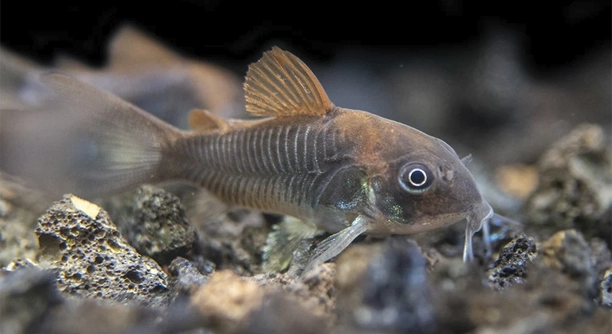
At night, Corydoras catfish may feel less secure in their environment. Creating a peaceful, safe space for them can improve their well-being and help them feel more at ease during rest. Here’s how you can make their nights more comfortable.
Ensuring your Corydoras catfish feels secure at night involves creating a calm, stable environment. Factors like dim lighting, hiding spots, and appropriate water conditions all play key roles in reducing stress, allowing your fish to rest peacefully.
Making these adjustments will not only improve your catfish’s comfort but also enhance its overall health.
Create a Safe, Calm Environment
One of the most important things you can do for your Corydoras catfish is to create a secure, stress-free environment. These fish are naturally shy and prefer a peaceful habitat. At night, they often feel more vulnerable, and a little change can make a big difference. Start by ensuring the aquarium has dim lighting or a night light that isn’t too bright. Corydoras will feel more secure in low-light conditions, which mimic their natural environment. Avoid placing the tank in an area with loud noises or frequent activity, as this can disturb their rest.
Creating hiding spots is another essential step. Corydoras catfish are bottom dwellers, and they appreciate having places where they can retreat when they feel stressed. Use plants, caves, or decorations that allow them to hide and feel safe.
These simple changes can drastically improve their overall well-being, especially during the night when they need to feel secure. By reducing potential stressors, you create a space where they can rest without anxiety.
Maintain Consistent Water Conditions
Water quality is key for the health and comfort of your Corydoras catfish. Sudden changes in temperature or water parameters can stress your fish, making it harder for them to relax at night. Regular water changes and monitoring water conditions are necessary to keep your fish comfortable.
Stable water conditions ensure your Corydoras are not subjected to fluctuating levels of ammonia, nitrites, or pH. These changes can trigger stress and make your fish more vulnerable. Maintaining clean, well-filtered water allows them to thrive, ensuring they feel secure in their environment.
Incorporating a quality filter and checking water parameters regularly will help avoid unwanted fluctuations. When you provide stable water conditions, your Corydoras catfish will feel more at ease, allowing them to rest peacefully without the added stress of poor water quality.
Use Soft Substrates for Comfort
Soft substrates, such as sand or fine gravel, are ideal for Corydoras catfish. Their sensitive barbels can be easily injured by rough or sharp surfaces. When selecting substrate, ensure it’s gentle on their fins and barbels to avoid unnecessary stress. Corydoras naturally forage along the tank floor, and a soft, smooth surface allows them to explore comfortably.
In addition to comfort, a soft substrate also benefits water quality. It prevents debris from accumulating, allowing better filtration and cleaner water. A clean tank with soft substrate reduces stress for your fish, helping them feel more secure at night. This environment is ideal for resting and maintaining overall health.
With the right substrate, you’ll notice a difference in your Corydoras catfish’s behavior. They’ll be more active during the day and more at ease during the night. A small change in substrate can greatly enhance their sense of security.
Provide Hiding Spaces
Corydoras catfish are bottom dwellers and naturally seek out hiding spots. Providing caves or hiding places in the tank is crucial for their sense of security. Without these spaces, they can feel exposed and stressed, especially at night. Simple decorations or natural plants can create the perfect hideaway for them to rest and feel protected.
Adding live plants or driftwood not only gives them hiding places but also mimics their natural habitat. These features also offer a space for the fish to retreat when feeling overwhelmed. The more hiding spots available, the better your fish will feel.
By offering a variety of hiding spaces, you cater to their natural instincts, helping them feel more secure. A well-planted tank with plenty of secluded areas will allow your Corydoras to thrive and find peace, particularly during the night.
Keep the Tank Low-Key at Night
Avoid turning on bright lights or making sudden movements near the tank at night. Corydoras catfish are naturally sensitive to light and noise, which can make them feel insecure. Keeping the surroundings calm and quiet will help your fish rest without feeling threatened.
At night, reduce any artificial light in the room to a minimum. Corydoras thrive in low-light conditions and feel more at ease when the tank is dimly lit or in complete darkness. This helps them feel safe and allows them to focus on resting, rather than being distracted or stressed by their environment.
Feed Your Corydoras in the Evening
Corydoras catfish are primarily nocturnal feeders. Offering food in the evening or just before lights go off allows them to be more active and comfortable. This feeding schedule mimics their natural habits, ensuring they have enough food to satisfy them throughout the night.
Providing evening feedings also helps them feel more secure, as they know food is available during their natural active hours. The process of foraging in the evening gives them a sense of purpose and reduces stress, keeping them busy and content. This can result in better behavior and overall health.
Limit Tank Disruptions
Disruptions, such as frequent water changes or rearranging the tank, can increase stress for Corydoras catfish, especially at night. Limit these activities to ensure the fish feel comfortable and secure in their environment. Keeping things stable helps your fish settle down for a peaceful night’s rest.
FAQ
How can I tell if my Corydoras catfish is stressed at night?
Corydoras catfish typically show signs of stress by becoming more inactive or hiding excessively. They may spend more time in hiding spots or along the tank’s bottom. You might also notice them swimming erratically or rubbing their bodies against objects in the tank. If your fish are darting around or appear lethargic, it could be an indication that something in their environment is causing stress.
Additionally, they may stop eating or show reluctance to move when it’s time for feeding. Watch for these signs, as they suggest that your Corydoras may not feel secure. Monitoring their behavior closely can help you adjust their environment to create a more relaxing space for them.
What is the ideal water temperature for Corydoras catfish?
Corydoras catfish thrive in water temperatures between 72°F and 78°F (22°C – 26°C). Maintaining a stable temperature within this range will help your fish feel secure, as sudden temperature changes can increase stress. If the water gets too warm or cold, Corydoras may become more lethargic or stressed.
Investing in a reliable aquarium heater with a thermostat will help regulate the water temperature. Additionally, make sure to check the temperature regularly to ensure it remains within the ideal range. Consistency in water temperature contributes to their overall well-being and peace of mind.
How often should I feed my Corydoras catfish at night?
Corydoras catfish are nocturnal feeders, so feeding them in the evening or just before lights go out is best. Typically, feed your fish once a day, and aim to do so at night when they are most active. Overfeeding can cause water quality issues, so ensure the food is consumed within a few minutes.
If your Corydoras are not eating all the food, consider reducing the amount you provide. Make sure to clean up any uneaten food to prevent it from decomposing and affecting water quality. Feeding them at night aligns with their natural behavior and helps them feel more secure in their environment.
Can I keep Corydoras catfish with other fish?
Yes, Corydoras catfish are peaceful, community-oriented fish and generally do well with other species that have similar temperament and environmental needs. However, avoid keeping them with aggressive fish that might stress them out.
Corydoras will do best with smaller, peaceful fish like tetras or guppies. Ensure that all tankmates are compatible with Corydoras’ environment, such as their water temperature and pH level. A peaceful tank with gentle tankmates will help your Corydoras feel safe and secure.
Do Corydoras catfish need a specific substrate?
Corydoras catfish prefer soft substrates like fine gravel or sand. They use their barbels to sift through the substrate in search of food, and rough or sharp gravel can damage these delicate sensory organs. Choose a substrate that’s smooth and soft to prevent injury.
Additionally, a soft substrate helps maintain water quality by allowing debris to settle without getting stuck in sharp edges. A fine substrate allows for easy cleaning and will help maintain a stress-free environment for your Corydoras catfish, as they are bottom dwellers and spend a lot of time foraging.
How many Corydoras catfish should I keep together?
Corydoras catfish are social creatures and do best in groups. Keeping at least three to six Corydoras together provides them with the companionship they need to feel secure. A group will allow them to socialize, reduce stress, and encourage natural behavior, like foraging and swimming.
If kept alone, Corydoras can become stressed and anxious. A group creates a more natural, comfortable environment where they can feel safe and interact with one another, helping to minimize nighttime stress.
How can I reduce the noise around my Corydoras catfish tank?
Corydoras catfish are sensitive to vibrations and loud sounds. To reduce noise, place the tank in a quiet area away from heavy traffic or high-activity zones in your home. You may also want to avoid loud equipment, such as filters or pumps, that produce significant noise.
A gentle, quiet filter can help reduce stress on your fish. Avoid tapping on the glass or making sudden movements near the tank. By minimizing noise and disturbances, you create a more peaceful environment for your Corydoras catfish, allowing them to rest securely at night.
What kind of lighting is best for Corydoras catfish?
Corydoras catfish do best with low lighting or dim lighting, as they are more comfortable in environments with less light. Bright lights can cause stress, so opt for a gentle, subdued aquarium light. This helps to mimic their natural habitat, where they tend to live in murky or dimly lit waters.
Using a timer for the aquarium light can help maintain a consistent day-night cycle. A period of darkness at night is especially important for your Corydoras to rest properly. Keep the light intensity low and avoid direct light exposure to ensure they feel secure.
How do I know if my Corydoras catfish is healthy?
Healthy Corydoras catfish will have bright, clear eyes and smooth, undamaged fins. They should be active and regularly swim or forage along the tank floor. You’ll also notice that they interact with tankmates and explore the environment, especially during feeding times.
If your Corydoras catfish is hiding excessively, swimming erratically, or showing signs of discoloration or fin damage, it may indicate stress or illness. Regular water changes, a balanced diet, and appropriate tank conditions will help your fish stay healthy and secure.
What should I do if my Corydoras catfish is acting lethargic at night?
If your Corydoras catfish is unusually lethargic at night, it could be a sign of stress, poor water quality, or illness. First, check the water parameters, ensuring the temperature, pH, and ammonia levels are within the ideal range. Poor water quality can cause fish to become inactive or lethargic.
Also, check for signs of disease or injury, such as abnormal coloration or damage to the fins. Make sure they have adequate hiding spots and that the environment is peaceful. If the lethargy persists, it may be best to consult a veterinarian with experience in fish care.
Final Thoughts
Corydoras catfish are peaceful and gentle fish that thrive in calm, secure environments. By paying attention to their natural behaviors and needs, you can create a habitat where they feel safe, especially at night. Simple adjustments to lighting, feeding schedules, and tank conditions can make a big difference in their comfort and well-being. They are sensitive to stress, and providing them with a peaceful environment helps reduce the likelihood of anxiety or discomfort.
A well-maintained aquarium is key to keeping your Corydoras catfish happy and healthy. Ensuring clean water, a comfortable temperature, and appropriate tankmates will create an environment where they can thrive. These small fish prefer stability, so regular water changes and minimal disturbances will keep them secure. Keeping their environment as close to their natural habitat as possible will allow them to exhibit natural behaviors like foraging and socializing. When they feel safe and at ease, Corydoras are more active, and their overall health improves.
Remember, Corydoras catfish are social animals that enjoy the company of their own kind. Keeping them in groups of at least three or more is essential for their mental well-being. They feel more secure when surrounded by others, which reduces stress and encourages them to be more active. By providing them with the right conditions, you ensure that your Corydoras catfish lead a happy, healthy life.

Hello,
If you enjoy the content that we create, please consider saying a "Thank You!" by leaving a tip.
Every little bit helps us continue crafting quality advice that supports the health, happiness, and well-being of pets around the world, for pets of all shapes, sizes, and species.
We really appreciate the kindness and support that you show us!