
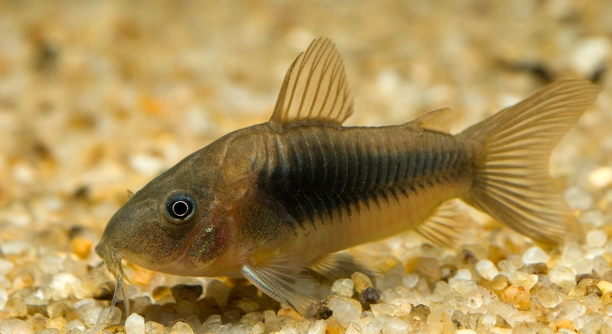
Corydoras catfish are popular in home aquariums, known for their playful nature and bottom-dwelling habits. However, their care can sometimes be tricky, as they are sensitive to various factors in their environment.
Several factors may confuse your Corydoras catfish, including water temperature, water quality, tank mates, feeding habits, and tank conditions. Ensuring stable conditions and proper care is essential to maintaining a healthy environment for these sensitive fish.
Understanding these elements will help improve the well-being of your Corydoras catfish and make your aquarium a thriving home.
Water Temperature and Its Effects
The water temperature is one of the most important aspects of caring for Corydoras catfish. These fish are native to warmer waters, and fluctuations in temperature can cause stress. Ideal water temperatures for Corydoras range from 72°F to 78°F (22°C to 25°C). Temperatures outside this range can lead to health issues, such as weakened immune systems and difficulty digesting food.
When the temperature is too low, Corydoras may become lethargic and stop eating. On the other hand, if the water is too warm, they may become more susceptible to diseases like bacterial infections. Monitoring the temperature regularly with a reliable thermometer can help ensure the fish remain comfortable.
Consistency is key when maintaining the water temperature. A tank heater with a thermostat will provide stable conditions, and sudden changes should be avoided to reduce stress on the fish. Maintaining a proper temperature helps Corydoras stay active, healthy, and better equipped to handle other environmental factors.
Water Quality Matters
Water quality directly affects Corydoras catfish health. High levels of toxins, such as ammonia, nitrites, or nitrates, can lead to poor water conditions, harming these sensitive fish.
Regular water changes and filtration are essential to maintaining good water quality. Keep an eye on the water parameters, especially pH and hardness, to ensure they stay within safe levels.
Tank Size and Space
Corydoras need enough space to move around comfortably. A cramped tank can cause stress and hinder their natural behaviors. The minimum recommended tank size for a small group of Corydoras is 20 gallons. Smaller tanks lead to poor water quality and higher levels of waste, making it harder to maintain healthy conditions.
In a larger tank, Corydoras are less likely to fight over territory, and they can swim freely. If your tank is overcrowded, the fish may become more prone to stress and illness. Larger aquariums also make it easier to maintain stable water parameters, providing a better environment for your fish to thrive.
Tank decorations, such as plants, rocks, and caves, also play a role in providing hiding spots and a more natural habitat. This gives Corydoras the opportunity to explore and feel secure, reducing the chances of stress-related health issues. Consider using soft materials that won’t damage their delicate barbels.
Tank Mates and Compatibility
Corydoras are peaceful fish, but tank mates need to be carefully chosen. Avoid aggressive fish that might nip at their fins or disturb their peaceful nature. Good tank mates include small, non-aggressive species like tetras, rasboras, or peaceful livebearers.
When selecting tank mates, consider the swimming habits of both species. Corydoras are bottom dwellers and prefer to stay near the substrate, while others may occupy the middle or top areas of the tank. This ensures less competition for space. Avoid keeping Corydoras with fin-nippers or larger fish that might intimidate them, as this can lead to stress or injury.
Additionally, ensure that the tank mates have similar water parameter needs, such as temperature and pH levels, to avoid further stress. Having compatible tank mates can help maintain a peaceful and harmonious environment for your Corydoras catfish.
Feeding Habits
Corydoras are bottom-feeding fish that prefer sinking pellets or tablets. Their barbels help them find food on the substrate. Overfeeding can lead to water quality problems, so it’s essential to avoid excess food.
Provide a varied diet to ensure they receive all the nutrients they need. Along with pellets, supplement with frozen or live foods like bloodworms and brine shrimp. Occasional vegetables like blanched zucchini or peas can also be added for variety.
Feed them small amounts a few times a day. Remove any uneaten food after a few hours to prevent it from contaminating the water.
Substrate Type
Corydoras prefer soft, sandy substrates. Gravel or sharp rocks can damage their sensitive barbels, causing injury and infection. Use fine sand or smooth gravel to provide a comfortable environment for them to forage.
A soft substrate also helps prevent waste from being trapped, ensuring cleaner water and healthier fish. Corydoras spend a lot of time near the bottom, so the right substrate is crucial for their well-being.
Lighting and Tank Placement
Corydoras prefer subdued lighting. Bright lights can cause stress, so consider dimming the lights or using plants to provide shaded areas.
Place the tank in a location with stable temperatures and away from direct sunlight. Direct sunlight can cause temperature fluctuations and promote algae growth, both of which can harm the fish.
FAQ
How many Corydoras catfish should be kept together?
Corydoras are social fish and should be kept in groups of at least three to five. Keeping them in a small group helps reduce stress and allows them to display natural behavior. A group of Corydoras will feel safer, as they prefer to swim together. They also tend to be more active and happier when in the company of their kind.
Can Corydoras live with other fish?
Yes, Corydoras are peaceful and can live with many other species. It is important to select tank mates that are not aggressive or territorial. Fish like tetras, rasboras, and peaceful livebearers are good companions. Avoid aggressive or fin-nipping species that could stress the Corydoras.
What is the ideal water temperature for Corydoras catfish?
The ideal water temperature for Corydoras catfish ranges from 72°F to 78°F (22°C to 25°C). Temperatures outside this range can cause stress and health problems. Maintaining a consistent temperature helps the fish stay healthy and active. A heater with a thermostat can help regulate the temperature.
Do Corydoras catfish need a filter?
Yes, Corydoras require a filtration system to maintain clean water. These fish are sensitive to water quality, and a good filter will help remove waste and toxins. It is important to choose a filter with gentle water flow, as Corydoras do not do well in strong currents.
What type of substrate is best for Corydoras?
Corydoras thrive in tanks with a soft, sandy substrate. Gravel or sharp objects can damage their barbels, which are delicate sensory organs. A fine sand substrate is ideal, allowing the fish to burrow and forage without harm. It also helps maintain cleaner water by preventing waste from getting trapped.
How often should I feed Corydoras catfish?
Feed your Corydoras small amounts two to three times a day. Use sinking pellets or tablets designed for bottom feeders. Corydoras will search the substrate for food, but avoid overfeeding, as uneaten food can degrade water quality. Remove any leftovers after a few hours to keep the tank clean.
Can Corydoras eat live or frozen food?
Yes, Corydoras enjoy live or frozen food like bloodworms, brine shrimp, and daphnia. These foods provide variety and additional nutrition. While their main diet should consist of sinking pellets, offering live or frozen food once or twice a week will help keep them healthy and active.
Do Corydoras need a lot of space?
Corydoras do best in tanks that are at least 20 gallons in size. A larger tank provides more space to swim and forages, which reduces stress and improves their overall well-being. Overcrowding can lead to poor water quality and increased competition for food and hiding spots.
Are Corydoras sensitive to water changes?
Corydoras are sensitive to sudden changes in water conditions. Drastic fluctuations in temperature, pH, or ammonia levels can cause stress and make them vulnerable to illness. It’s important to acclimate them slowly when performing water changes. Regular water testing and partial water changes can help maintain a stable environment.
How do I know if my Corydoras are stressed?
Signs of stress in Corydoras can include unusual swimming patterns, such as darting or staying in one place for extended periods. They may also stop eating or appear lethargic. Poor water quality, high tank temperatures, or incompatible tank mates can contribute to stress. Regular monitoring of their behavior and water parameters will help ensure they stay healthy.
Can Corydoras live in a tank with plants?
Yes, Corydoras thrive in planted tanks. Plants provide hiding spots, help maintain water quality by absorbing excess nutrients, and mimic their natural environment. However, it’s essential to avoid plants with sharp edges that could injure their delicate barbels. Live plants like Java moss, Amazon swords, or Anubias are excellent choices.
How do I prevent disease in Corydoras?
Maintaining stable water conditions is the best way to prevent disease. Regular water changes, keeping the tank clean, and monitoring water parameters will help ensure a healthy environment. Avoid overcrowding and always quarantine new fish before introducing them to your tank to prevent the spread of illness.
Can Corydoras breed in captivity?
Yes, Corydoras can breed in captivity. To encourage breeding, maintain stable water conditions, including a slightly cooler temperature and slightly acidic pH. Provide a good diet, and they may lay eggs on plants or tank surfaces. Once eggs are laid, they will hatch in a few days, and the fry can be raised on infusoria or specialized fry food.
Are Corydoras sensitive to high nitrate levels?
Yes, Corydoras are sensitive to high nitrate levels. Nitrate levels should be kept below 40 ppm to prevent stress and health issues. Over time, high nitrate levels can lead to poor water quality and weaken the immune system of the fish. Regular water changes and proper filtration can help manage nitrate levels.
Do Corydoras need a heater?
Yes, Corydoras require a heater to maintain a stable temperature. Since they are tropical fish, they need water that remains consistently within their preferred range of 72°F to 78°F (22°C to 25°C). A heater with a thermostat ensures that the temperature does not fluctuate too much, keeping your fish healthy.
What should I do if my Corydoras stops eating?
If your Corydoras stops eating, first check the water quality and temperature to ensure they are within the appropriate range. Stress from poor water conditions or tank mates may cause a lack of appetite. If the water conditions are fine and the issue persists, consider consulting a vet or aquatic specialist.
Can Corydoras live with shrimp?
Yes, Corydoras can live with most species of shrimp. They are peaceful and usually ignore shrimp, making them great tankmates. However, larger shrimp species may be territorial, so it’s important to monitor interactions. Small shrimp like cherry shrimp or Amano shrimp do well with Corydoras.
How can I reduce algae growth in a Corydoras tank?
To reduce algae growth, ensure proper lighting and limit the amount of nutrients available to the algae. Reduce the time the light is on, and avoid overfeeding. Adding algae-eating fish, like snails or certain species of shrimp, can also help control algae growth in the tank.
Final Thoughts
Corydoras catfish are resilient and peaceful fish that can thrive in a variety of aquarium setups. By understanding their needs and providing them with the right environment, you can ensure that they live a healthy and fulfilling life. These bottom-dwelling fish require a few specific conditions, such as soft, sandy substrate and stable water parameters, to feel comfortable and reduce stress. Choosing compatible tank mates is also essential, as they prefer peaceful companions and avoid aggressive species.
Proper care includes regular water changes, providing a balanced diet, and ensuring their tank environment mimics their natural habitat. Corydoras do well in groups, so it’s essential to keep them in small schools of at least three to five individuals. This not only encourages natural behavior but also helps reduce any feelings of stress or isolation. Overfeeding should be avoided, and uneaten food should be promptly removed to prevent water contamination, which could affect their health. Regular water testing will help keep the tank’s conditions ideal for the fish.
These catfish are generally easy to care for, making them a great choice for beginner aquarium owners. However, attention to detail is necessary to maintain the right water quality and ensure that they have a comfortable home. With the proper care, Corydoras catfish can live for several years, adding charm to your tank with their peaceful nature and bottom-feeding habits. Keep an eye on their health, be mindful of their tank mates, and enjoy the presence of these active, friendly fish.

Hello,
If you enjoy the content that we create, please consider saying a "Thank You!" by leaving a tip.
Every little bit helps us continue crafting quality advice that supports the health, happiness, and well-being of pets around the world, for pets of all shapes, sizes, and species.
We really appreciate the kindness and support that you show us!