
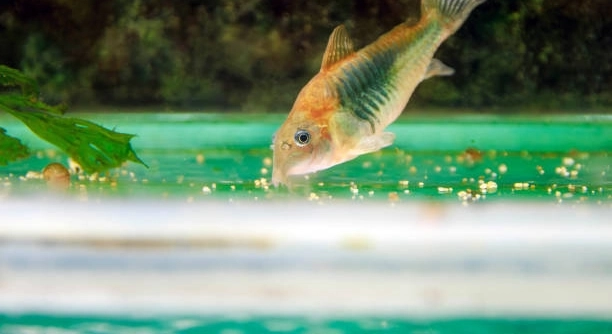
Is your Corydoras catfish rubbing its face along the tank glass or substrate more than usual, leaving you a little concerned?
Face rubbing in Corydoras catfish is often caused by irritation, poor water quality, or external parasites. Other contributing factors may include chemical exposure, food particles, or substrate issues. Prompt assessment helps prevent further health complications.
Recognizing the cause early can protect your catfish from further discomfort and support a healthier aquatic environment.
Possible Irritants in the Water
Face rubbing can often start when something in the water isn’t quite right. Corydoras are sensitive fish, and even minor changes can bother them. High ammonia or nitrite levels, leftover food breaking down, or chlorine in untreated tap water may lead to discomfort. These irritants can affect their gills or skin, prompting them to rub their faces along surfaces. Using a reliable water test kit can help you monitor for changes before they cause stress. Regular water changes and removing waste buildup are also important. Avoid sudden shifts in pH or temperature, as Corydoras respond poorly to instability. Stick to gradual changes and steady maintenance. Check all additives, including conditioners, medications, or fertilizers, to make sure nothing is irritating your fish. If your water parameters are stable and your Corydoras still seem bothered, move on to exploring other possible causes.
Keeping the water clean and stable is one of the easiest ways to reduce irritation.
Maintaining a regular cleaning routine can go a long way in preventing common irritants. Siphoning uneaten food, checking filters weekly, and conditioning tap water properly helps keep the tank environment safe and comfortable for Corydoras. Avoid overfeeding, and always rinse new decorations before adding them to the tank.
External Parasites and Other Causes
External parasites like flukes or anchor worms may also lead to face rubbing. These can enter the tank through new plants, fish, or live food.
If the rubbing is frequent and combined with signs like flashing, weight loss, or inflamed skin, parasites could be involved. Quarantine all new fish before introducing them into your main tank. If you suspect parasites, look closely at the fish’s body for signs like white patches, visible worms, or redness near the gills. Medicated treatments may be needed, but always identify the problem first. Don’t rush into using medications without confirming the issue, as unnecessary treatments can add more stress. Other causes to consider include rough substrate that irritates barbels or sand that’s too coarse. Sharp decorations can also scratch sensitive faces, leading to repeated rubbing. Lastly, poor oxygenation may cause gill discomfort, especially if the tank is overcrowded or lacking water movement. Watch your fish carefully, and respond early before the issue worsens.
Poor Diet and Feeding Issues
Uneaten food can break down and lead to water quality problems, which may trigger rubbing. Low-quality food or foods that disintegrate quickly can also irritate the fish’s face or gills during feeding.
Feeding Corydoras a varied and clean diet is important. Avoid overfeeding, and remove leftovers within a few minutes. Sinking pellets designed for bottom feeders are best, but mix in occasional live or frozen foods like bloodworms. This keeps them engaged and nourished without making a mess. Be cautious with flake food, as it tends to float and disintegrate quickly, clouding the water and irritating sensitive fish. Dirty substrate filled with food debris can lead to bacterial buildup that affects the barbels. If face rubbing follows feeding, review your food choice, portion size, and how fast it’s being eaten. Clean the substrate regularly to avoid buildup and maintain a safe feeding area.
Poor nutrition may also weaken their immune system, making them more prone to external issues. Choose high-quality, species-appropriate food and rotate protein sources weekly. Watch for signs of disinterest during meals or difficulty locating food. These can signal vision issues or barbel damage from an unsuitable substrate. Offering food in a shallow dish can help reduce food loss and improve feeding hygiene.
Unsuitable Tank Setup
Corydoras thrive in soft, sandy substrate that’s easy on their barbels. Sharp gravel or rough decor can cause irritation or small injuries that lead to rubbing.
The ideal tank setup for Corydoras includes smooth sand, gentle filtration, and adequate hiding spots. Keep tank decor simple and free of sharp edges. Add plants, driftwood, and caves for security, but make sure all items are cleaned before placing them in the water. Corydoras enjoy digging through the substrate, and fine sand mimics their natural habitat while reducing injury risk. They also do better in a group, so aim for at least six to reduce stress. Low lighting helps them stay calm and encourages natural behavior. Proper tank size also matters—20 gallons or more for a group gives them enough space to explore without crowding. Check tank flow, as strong currents can exhaust them or disturb their resting spots.
Chemical Irritation from Products
Certain water treatments, cleaning agents, or leftover soap on hands or equipment can irritate your Corydoras’ skin and gills. Even mild residue from cleaning cloths or buckets may cause discomfort, leading to repeated face rubbing or erratic swimming.
Avoid using household cleaning products on or near aquarium tools. Always rinse your hands thoroughly with plain water before touching the tank. If you recently added any new treatments or conditioners, double-check their dosage and compatibility. Some additives can trigger irritation, even when used correctly.
Stress from Environmental Changes
Environmental stress can also cause Corydoras to rub their faces. Sudden changes in temperature, lighting, or tank mates may trigger this behavior. Loud noises or vibrations near the tank can contribute to ongoing stress. Use a consistent routine when feeding and performing maintenance.
Natural Behavior
Occasional face rubbing isn’t always a concern. Corydoras naturally sift through substrate and brush up against surfaces. If it happens briefly and they seem healthy otherwise, it may be part of normal behavior.
FAQ
What should I do if my Corydoras continues rubbing its face?
If your Corydoras is rubbing its face frequently and you’ve ruled out water quality issues, the next step is to observe for other symptoms. Look for signs of parasites, skin lesions, or changes in behavior. You may need to treat for external parasites if necessary. Consult an aquarium professional for advice on suitable treatments and dosages. If the behavior persists, consider a temporary quarantine to isolate the affected fish, which helps prevent the spread of potential infections.
How often should I change the water in my Corydoras tank?
Regular water changes are essential to keep your Corydoras healthy. Perform a partial water change of 20-30% once a week. If your tank is heavily stocked, increase the frequency to maintain optimal water conditions. Testing the water before changes can help monitor ammonia, nitrites, and nitrates to ensure a stable environment.
Can poor water quality cause Corydoras to rub their faces?
Yes, poor water quality is one of the main causes of face rubbing in Corydoras. Ammonia or nitrite spikes, dirty water, or chlorine exposure can irritate their gills and skin, prompting face rubbing. Always test the water for correct parameters and make water changes as needed to improve the environment.
What types of food are best for Corydoras?
Corydoras thrive on sinking pellets designed for bottom-feeding fish. Include live or frozen foods like bloodworms, daphnia, or brine shrimp to ensure a varied and nutritious diet. Avoid using too many flakes, as they float and break apart quickly, creating debris that could irritate the fish’s barbels.
Can Corydoras be kept with other species?
Yes, Corydoras are peaceful fish that can live with many other species. However, avoid keeping them with aggressive or overly territorial tank mates, as they may stress out your Corydoras. Fish like tetras, peaceful barbs, and other bottom-dwellers make good companions. Ensure the tank is large enough for everyone to coexist comfortably.
Why is my Corydoras rubbing its face on the glass?
Face rubbing on the glass may indicate several things. It could be a sign of irritation from poor water quality, an external parasite, or even rough edges on the glass. Try checking your water parameters and ensuring the glass is smooth. Consider increasing hiding spots or adding a different substrate.
How can I tell if my Corydoras has an external parasite?
Signs of external parasites may include white spots, red patches, excessive scratching, or visible worms. Check the fish carefully for any unusual marks, swollen areas, or lethargy. If you notice any of these, consider a medicated treatment or consult a vet for proper diagnosis and treatment options.
Is sand a better substrate than gravel for Corydoras?
Yes, Corydoras prefer fine sand over gravel, as it is gentle on their barbels. They naturally sift through the sand while foraging for food, and sharp gravel can cause irritation or injury. Sand also allows better waste management, as it doesn’t trap debris as easily as gravel does.
Can stress cause Corydoras to rub their faces?
Stress is another potential cause of face rubbing in Corydoras. Changes in tank mates, water temperature, or environmental conditions can lead to stress, making the fish more likely to rub against surfaces. Ensure your tank conditions are stable and that the fish have enough space and hiding spots to feel secure.
How can I improve the water quality in my Corydoras tank?
To improve water quality, perform regular water changes, maintain a good filtration system, and remove debris promptly. Test the water regularly to keep an eye on pH, ammonia, nitrite, and nitrate levels. Adding live plants can help absorb excess nutrients and keep the tank cleaner.
Is it safe to use medications in a Corydoras tank?
Medications should be used with caution in a Corydoras tank, as they can be sensitive to certain treatments. Always read the label carefully, and only use medications designed for sensitive fish. If you’re unsure about a specific treatment, consult a vet or experienced aquarium keeper before applying it.
What temperature should the water be for Corydoras?
Corydoras prefer water temperatures between 72°F and 78°F (22°C to 25°C). Keep the tank in this range for optimal health. Extreme temperature fluctuations can stress your fish and increase the likelihood of disease or behavioral issues. Use a reliable aquarium heater to maintain stable temperatures.
How do I know if my Corydoras is injured?
Injuries can show as cuts, abrasions, or unusual swelling on your Corydoras. If the fish is rubbing its face against surfaces or swimming erratically, inspect its body carefully for signs of damage. Any open wounds or unusual growths should be treated promptly to prevent infection.
Can Corydoras live in a tank with a strong current?
No, Corydoras prefer calm waters. Strong currents can stress them out and cause them to swim erratically or hide excessively. Choose a filtration system with an adjustable flow rate and ensure that the tank has enough places where the fish can retreat from the current.
Can I use a sponge filter for Corydoras?
Yes, sponge filters are an excellent choice for Corydoras tanks. They provide gentle filtration, reduce water disturbance, and help maintain water quality. Sponge filters also prevent small fish or invertebrates from being sucked into the filter, making them ideal for tanks with sensitive bottom feeders like Corydoras.
What other species can I keep with Corydoras?
Corydoras can live peacefully with other non-aggressive species like tetras, peaceful barbs, and some species of rasboras. Avoid fish that may nip at their barbels or disrupt the tank’s calm environment. Always ensure that all tank mates are compatible in terms of size, temperament, and water requirements.
Final Thoughts
Understanding why your Corydoras catfish is rubbing its face can help ensure its health and well-being. Whether it’s due to water quality issues, stress, or even natural behavior, there are steps you can take to address the problem. Regular water changes, maintaining a clean environment, and monitoring any changes in behavior are key. It’s important to keep the tank conditions stable and ensure your fish has enough hiding spaces and gentle flow in the water. By observing your Corydoras closely, you can often catch issues early and take appropriate action.
If the rubbing persists or if you notice other concerning symptoms, like changes in eating habits or unusual marks, it may be time to investigate further. External parasites, poor water quality, or stress can all cause face rubbing, and addressing the root cause will provide relief. In cases of persistent issues, consulting an aquarium professional can help guide you in the right direction, ensuring you make informed decisions for your fish’s health. It’s always better to address the problem sooner rather than later to avoid further complications.
Corydoras catfish are generally hardy and peaceful, making them great tank mates. With the right care and attention, they can thrive and live for many years. Understanding their behavior and maintaining a healthy environment is the best way to ensure their comfort. Keep monitoring your Corydoras’ behavior and water conditions to provide a happy and healthy life for your fish. As long as you remain proactive and responsive to their needs, you’ll likely see a positive outcome.

Hello,
If you enjoy the content that we create, please consider saying a "Thank You!" by leaving a tip.
Every little bit helps us continue crafting quality advice that supports the health, happiness, and well-being of pets around the world, for pets of all shapes, sizes, and species.
We really appreciate the kindness and support that you show us!