
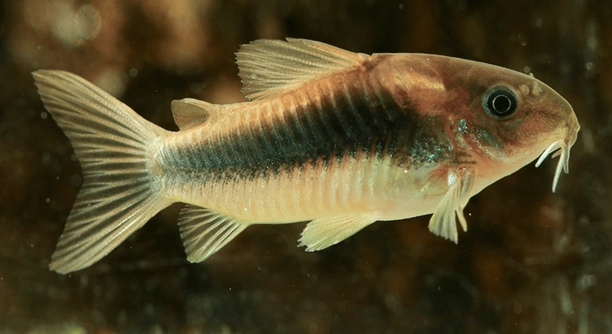
Is your Corydoras catfish constantly swimming up and down the tank walls, leaving you unsure if something might be wrong? This behavior can look playful but may point to something more specific in their environment.
Vertical swimming in Corydoras is usually triggered by poor water quality, a lack of oxygen, limited enrichment, stress, or environmental changes. Understanding these causes can help you create a more stable and healthy setup for your fish.
Each reason highlights a different aspect of care that may need adjustment to support your Corydoras’ comfort and long-term wellbeing.
Poor Water Quality
When water quality drops, Corydoras catfish react quickly. These fish are sensitive to toxins like ammonia, nitrite, and nitrate, which build up in tanks without regular maintenance. A lack of water changes, overfeeding, and overcrowding are common causes. When the water isn’t clean, your Corydoras may swim along the walls to escape uncomfortable conditions or to find more oxygenated areas. Testing your water regularly helps you catch issues early. Aim to keep ammonia and nitrite at zero, and nitrates below 20 ppm. Also, avoid overfeeding since leftover food contributes to waste buildup, which harms water stability over time.
Even if your tank looks clear, harmful toxins can still be present. Clean water supports your fish’s overall health and helps limit stress-related behaviors like constant pacing along the glass.
By keeping up with partial water changes, removing uneaten food, and cleaning your filter, you create a more comfortable environment for your Corydoras.
Lack of Oxygen
When oxygen levels drop, Corydoras often swim up and down the glass as they try to reach the water’s surface. This behavior usually signals they are not getting enough oxygen.
Corydoras absorb oxygen through their gills but also use their intestines to gulp air from the surface. However, they should not rely on this frequently. Tanks with low circulation or high temperatures tend to hold less oxygen, which makes it harder for your fish to breathe comfortably. Adding an air stone or sponge filter can help increase surface agitation and improve oxygen levels. You can also reduce overcrowding and avoid overfeeding, both of which lower water quality and contribute to oxygen depletion. If you notice your fish swimming up and down often, check your filter output and ensure the water isn’t stagnant. A simple adjustment in water flow or adding extra aeration equipment can make a noticeable difference in their behavior.
Stress from Tank Mates
Aggressive or overly active fish can stress Corydoras, causing them to swim erratically along the tank walls. This behavior is their way of trying to escape tension or find a safe space within the tank.
Corydoras are peaceful and prefer calm environments. When kept with fish that chase or nip, they may feel threatened and respond by pacing the glass. Fin nipping or sudden darting from other tank mates can disturb them even more during feeding or resting times. Observing your tank dynamics can help you spot the issue. If you notice bullying or harassment, consider rehoming aggressive fish or adding hiding spots to give your Corydoras relief. Tank dividers or rearranging decorations can also reduce aggression by disrupting territorial behavior. Keeping them with peaceful species helps them stay relaxed and feel secure in their space.
Corydoras thrive best in groups of their own kind. Keeping at least six together helps lower stress, especially when paired with gentle tank mates. They feel more secure when they can shoal and explore comfortably. If your tank setup includes fast or dominant fish, it’s worth reconsidering their compatibility. A calm tank environment allows your Corydoras to settle and display natural, relaxed behavior.
Reflections on the Glass
Reflections can confuse Corydoras, making them think there’s another fish in their territory. This often results in them swimming along the walls or reacting to their mirrored image.
Bright lighting or dark backgrounds can make reflections more visible inside the tank. If your Corydoras keep swimming at the glass in a fixed area, try adjusting the lighting or adding plants to break up the reflection. Dimming the room lights or softening the tank light can also help reduce glare. Another solution is to place background paper or decorations outside the tank to minimize the mirror-like effect. Corydoras can be sensitive to their surroundings, so small adjustments can improve their comfort.
Visual stress can impact their behavior just like physical stress. If they feel like another fish is present or intruding on their space, they may act defensively or become more alert than usual. This constant tension makes them swim repetitively and avoid settling. By reducing reflections, you help them feel less threatened and more secure. This allows your Corydoras to focus on natural behaviors like foraging and socializing with their group.
New Environment or Rearranged Setup
Corydoras often react to sudden changes in their environment by swimming up and down the tank walls. This includes new tank setups or rearranged decorations. It can take them a few days to adjust and feel comfortable again.
Even shifting a few plants or hiding spots can disrupt their sense of security. When the tank layout changes, Corydoras may pace to explore or search for familiar hiding places. Keeping their space consistent helps reduce this behavior.
Strong Water Flow
Corydoras prefer gentle currents and can become unsettled by strong water flow. If your filter output is too powerful, they may swim against it or along the glass in search of calmer areas. Redirecting the flow using a sponge filter or positioning the outflow toward a wall can help.
Lack of Enrichment
A plain tank without enough hiding spots or soft substrate can leave Corydoras feeling exposed. This lack of stimulation often leads to repetitive swimming along the tank walls. Adding live plants, smooth rocks, and plenty of shaded areas can make the tank feel more secure and engaging for them.
FAQ
Why do my Corydoras swim up and down the tank walls at night?
Corydoras may swim more actively at night because they are naturally more active during low-light periods. This behavior can increase if the tank lights turn off suddenly, causing a stress reaction. They also tend to explore more freely without the presence of larger, more dominant fish around. If they swim along the glass repeatedly, it may also indicate poor water quality, low oxygen, or a recent change in their environment. Keeping lighting transitions gradual and ensuring stable tank conditions can help calm this behavior.
Is it normal for Corydoras to swim to the surface often?
It’s normal for Corydoras to occasionally dart to the surface to gulp air, as they have a specialized intestine that allows them to breathe atmospheric oxygen. However, if they’re doing this too frequently, it might be a sign of low oxygen levels in the water. Check for proper aeration, make sure the filter is running efficiently, and consider adding an air stone to improve circulation. Frequent surface visits can also be linked to stress or poor water conditions.
Can glass surfing be a sign of illness in Corydoras?
While glass surfing is often behavioral, it can also signal illness if combined with other symptoms. Watch for clamped fins, loss of appetite, lethargy, bloating, or unusual marks on their body. These signs may point to infections, parasites, or internal issues. In such cases, isolate the fish if necessary and monitor water parameters closely. If the behavior continues or worsens, consider consulting an aquatic veterinarian. Most health issues in Corydoras stem from poor water quality, so addressing tank maintenance usually helps.
Do Corydoras need to be kept in groups to prevent stress?
Yes, Corydoras are schooling fish and feel safest when kept in groups of at least six of the same species. When kept alone or in very small numbers, they become stressed, shy, or overly active, sometimes displaying behaviors like pacing or hiding. A larger group encourages natural behavior such as shoaling, foraging together, and resting in groups. Social interaction is important for their mental and physical health, making them feel more secure and less likely to engage in repetitive swimming.
Can overfeeding cause Corydoras to act strangely?
Overfeeding can lead to poor water quality, especially if uneaten food is left to decay. This can trigger unusual behavior like frantic swimming or surface gasping. Corydoras are bottom feeders and will scavenge leftovers, but too much food affects the balance of the tank and harms their health. It’s best to feed them small portions once or twice a day, ensuring that the food is consumed within a few minutes. Regular gravel vacuuming also helps prevent buildup of waste and debris.
Do changes in tank layout make Corydoras nervous?
Yes, Corydoras can become unsettled when the tank layout is altered. Moving plants, decorations, or hiding spots may cause them to feel exposed and anxious. They rely on familiar objects and spaces for comfort. After a change, they may swim along the glass more often as they reorient themselves or search for cover. To reduce stress, avoid major rearrangements unless necessary, and always keep plenty of hiding places available. If changes are needed, doing them gradually helps them adjust.
Should I worry if my Corydoras keeps swimming in one corner?
If your Corydoras spends a lot of time in one corner, it could be reacting to reflections, a strong current, or the behavior of nearby tank mates. This behavior might also indicate that it’s feeling stressed or unsafe in other parts of the tank. Check the lighting and background for reflections, test water quality, and observe the behavior of other fish. Adding more hiding spaces or adjusting water flow may help it feel more comfortable and reduce corner-sitting behavior.
Final Thoughts
Watching your Corydoras swim up and down the tank walls can feel confusing at first. While this behavior is often harmless, it can also be a sign that something in the tank environment needs attention. Corydoras are active and curious by nature, so they may swim along the glass to explore, communicate with others, or react to changes in their surroundings. However, when the behavior becomes constant or paired with other signs of stress, it’s worth checking your tank setup more closely. Things like water quality, tank mates, or sudden changes can all affect their comfort and behavior.
Providing a stable environment is one of the best ways to support healthy behavior in Corydoras. Clean water, proper filtration, and consistent temperatures are essential for keeping them comfortable. Avoid making sudden changes to the layout of the tank, and always offer enough hiding spaces and soft substrate. Keeping Corydoras in groups of at least six helps reduce stress, since they are social fish that enjoy the company of their own kind. A well-planted tank with calm tank mates gives them space to explore without fear. Watching their behavior and responding calmly to any changes helps build a peaceful space they can thrive in.
Every fish is different, and sometimes it takes a bit of time to understand their needs. Learning how your Corydoras reacts to its environment helps you spot issues before they turn into problems. Occasional glass surfing is usually nothing to worry about, but if you see it often, take a closer look at the tank conditions. With regular care and observation, you can make sure your Corydoras stays happy, healthy, and active in a balanced tank. Their behaviors are one of the ways they communicate, and noticing those small changes helps create a better space for them over time.

Hello,
If you enjoy the content that we create, please consider saying a "Thank You!" by leaving a tip.
Every little bit helps us continue crafting quality advice that supports the health, happiness, and well-being of pets around the world, for pets of all shapes, sizes, and species.
We really appreciate the kindness and support that you show us!