
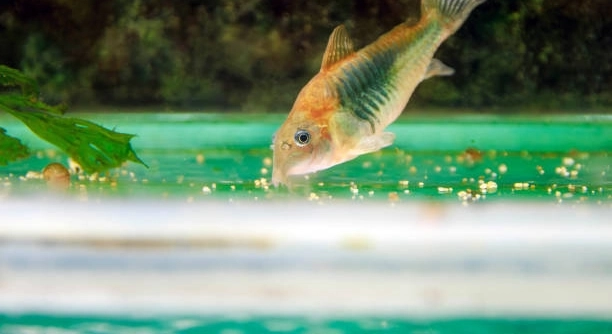
Are your Corydoras catfish showing signs of a bloated belly? This can be a concerning issue, but it’s important to understand the underlying causes to ensure your fish stays healthy and comfortable. A bloated belly can signal several possible problems.
The most common causes of a bloated belly in Corydoras catfish include overfeeding, constipation, internal parasites, or even stress. Certain water conditions and improper tank care may also contribute to this condition. Understanding the root cause is key to treatment.
By recognizing the symptoms early, you can provide the right care and prevent further health issues. Keep reading to discover the various reasons for your fish’s bloating and how to manage each one effectively.
Overfeeding and Its Impact on Your Corydoras
Overfeeding is one of the main causes of bloating in Corydoras catfish. These small fish have tiny stomachs, and feeding them too much can easily overwhelm their digestive systems. If they consume more food than they can process, it may lead to constipation or cause their stomachs to swell. While it’s tempting to feed them extra to keep them happy, the key to healthy catfish is moderation.
It’s important to offer food in small amounts and remove any uneaten food promptly to prevent excess waste from accumulating in the tank. A balanced diet with the right amount of nutrients is essential for their overall health.
Make sure to observe your Corydoras after feeding, watching for signs of bloating or uneaten food. A regular feeding schedule and careful portion control will help keep them healthy and prevent issues related to overfeeding. This simple step can make a big difference in their well-being.
Constipation and the Symptoms to Watch For
Constipation can cause bloating in Corydoras catfish. If they are not able to pass food properly, their bellies may become swollen.
A lack of fiber in their diet can lead to constipation. Offering variety, such as sinking pellets or fresh vegetables like zucchini, can help promote healthy digestion. Keeping an eye on their behavior after meals is a good way to spot early signs of discomfort.
Internal Parasites and Infection
Internal parasites can cause bloating in Corydoras catfish. These parasites affect their digestive system, leading to swelling of the belly. Common parasites include protozoa or roundworms, which interfere with food absorption. If you notice persistent bloating, this may be the cause.
The symptoms of parasitic infection often include a bloated belly, lethargy, and a lack of appetite. If you suspect parasites, it’s important to treat your catfish with anti-parasitic medications designed for aquarium use. These treatments can help clear up the infection and reduce bloating. Always follow the instructions carefully to ensure the safety of your fish.
Keeping the water clean and ensuring proper filtration can help prevent the spread of parasites. Regular water changes and quarantine procedures for new fish can reduce the likelihood of infection. A balanced diet also helps to boost their immune system, making them less susceptible to parasites.
Poor Water Conditions and Stress
Poor water conditions can stress your Corydoras catfish, causing bloating. The water temperature, pH, and ammonia levels should be monitored regularly to keep your fish comfortable.
High ammonia or nitrite levels, or extreme changes in water temperature, can weaken the fish’s immune system, leading to bloating and other health issues. Stress weakens their digestive system and makes them more vulnerable to infections or constipation. Regular water testing and maintenance are key to keeping a healthy environment for your fish.
Overcrowded Tank and Limited Space
An overcrowded tank can lead to stress and bloating in Corydoras catfish. Too many fish in a small space leads to poor water quality and aggressive behavior. This can result in physical stress, which impacts their digestion and causes bloating.
Having adequate space for each fish ensures they are not competing for food or territory. A general rule is to provide at least 10 gallons of water for every three or four Corydoras. More space promotes healthy fish, better water quality, and reduces stress, helping prevent bloating.
Feeding Inappropriate Foods
Feeding the wrong food can contribute to bloating in Corydoras catfish. Foods that are too large, hard to digest, or high in fillers may cause indigestion or constipation.
It’s essential to provide foods that are appropriate for their size and digestive capabilities. Choose sinking pellets, frozen or live foods, and vegetables like cucumber or zucchini to offer variety. Avoid feeding them excessive amounts of processed food, as it can upset their digestive system and lead to bloating.
FAQ
Why does my Corydoras catfish have a bloated belly?
A bloated belly in Corydoras catfish is often caused by overfeeding, constipation, internal parasites, or poor water conditions. Overfeeding can lead to excess food in their digestive system, while constipation happens when they can’t properly pass food. Internal parasites and infections can also cause bloating. Stress from overcrowded tanks and poor water conditions can contribute to digestive issues, leading to bloating as well.
How can I tell if my Corydoras has internal parasites?
Signs of internal parasites in Corydoras catfish include bloating, lethargy, loss of appetite, and sometimes visible weight loss despite a good diet. The fish may also display abnormal swimming behavior, such as rubbing against objects in the tank or staying near the bottom. If you notice any of these symptoms, you should consider treating your fish with anti-parasitic medication.
What’s the best way to prevent bloating in Corydoras?
To prevent bloating in Corydoras, focus on proper feeding practices. Offer small, regular amounts of food and remove any uneaten portions to avoid overfeeding. Make sure the tank has proper filtration and stable water conditions. Regular water changes and testing can help keep the environment safe for your fish. Additionally, avoid overcrowding the tank to reduce stress.
Can poor water quality lead to bloating in Corydoras?
Yes, poor water quality can lead to bloating. If ammonia, nitrite, or nitrate levels are high, it can weaken the immune system of your fish, making them more susceptible to digestive issues. Stress from unclean water or fluctuating temperatures can also cause bloating. Maintaining good water quality is essential for your fish’s health.
What should I do if my Corydoras is constipated?
If your Corydoras is constipated, try feeding it fiber-rich foods like blanched zucchini or peas. These can help clear up any blockages in their digestive system. Additionally, you can try fasting your fish for a day or two to give their digestive system a break. Make sure the tank’s water temperature is appropriate to encourage digestion.
How often should I feed my Corydoras catfish?
Feed your Corydoras once or twice a day, offering only as much food as they can eat in a few minutes. Remove any uneaten food to avoid it decomposing in the tank, which can degrade water quality. Overfeeding can quickly lead to bloating and other health issues. It’s better to feed smaller portions more frequently.
Can Corydoras get bloated from stress?
Yes, stress can lead to bloating in Corydoras catfish. Stress from overcrowded tanks, poor water quality, or aggressive tankmates can affect their digestion. Stress weakens their immune system and can cause constipation or other digestive problems that lead to bloating. Reducing stress is crucial to preventing these health issues.
How can I treat bloating in Corydoras catfish?
To treat bloating in Corydoras catfish, first identify the cause. If overfeeding or constipation is the issue, try offering fiber-rich foods like zucchini or peas and reduce the amount of food you give. For internal parasites, use anti-parasitic medication. Maintain good water quality and avoid stress by keeping the tank clean and properly sized for your fish.
Is bloating in Corydoras a sign of a serious illness?
Bloating in Corydoras can sometimes indicate a serious problem, especially if it’s caused by internal parasites or an infection. However, it can also be due to overfeeding or constipation, which are easier to treat. If bloating persists and is accompanied by other symptoms like lethargy, loss of appetite, or abnormal swimming behavior, it’s best to consult a vet or aquarium specialist for advice.
Can I prevent bloating by changing my Corydoras’ diet?
Yes, adjusting your Corydoras’ diet can help prevent bloating. Avoid feeding them large amounts of food at once, and choose sinking pellets or small food items that they can easily digest. Providing a balanced diet with a variety of foods, including occasional vegetables, will keep their digestive system healthy and reduce the chances of bloating.
What tank conditions are best for preventing bloating?
Stable water conditions are essential for preventing bloating in Corydoras catfish. Maintain a clean tank with proper filtration to ensure low ammonia and nitrate levels. The water temperature should be between 72°F and 79°F, with a slightly acidic to neutral pH level. Consistent water quality will help reduce stress and prevent bloating caused by poor conditions.
Final Thoughts
Bloating in Corydoras catfish can be caused by a variety of factors, such as overfeeding, constipation, or poor water quality. While it might seem alarming at first, understanding the causes can help you take action to improve your fish’s health. Addressing the problem quickly is key to preventing more serious issues. Whether it’s adjusting their diet, performing regular water changes, or ensuring your tank isn’t overcrowded, there are simple steps you can take to manage bloating and keep your fish happy.
Maintaining a balanced diet for your Corydoras is one of the most effective ways to prevent bloating. Feeding them in moderation and removing any uneaten food will help avoid overfeeding. Additionally, offering foods that are easy to digest, such as sinking pellets or small live foods, ensures their digestive system runs smoothly. Avoid feeding them too many processed foods or large items that might cause discomfort. Monitoring their feeding habits and making adjustments when necessary will go a long way in keeping your Corydoras healthy and comfortable.
Water quality and tank conditions play a huge role in your fish’s overall well-being. Stress from poor water quality or overcrowded tanks can lead to bloating, so it’s important to keep the environment stable. Regular water changes, proper filtration, and maintaining the right water temperature can help prevent digestive issues in Corydoras. Creating a stress-free, clean tank environment will not only help with bloating but also promote long-term health for your fish. Keep an eye on your tank’s conditions and always make changes when needed to ensure a safe space for your Corydoras catfish.

Hello,
If you enjoy the content that we create, please consider saying a "Thank You!" by leaving a tip.
Every little bit helps us continue crafting quality advice that supports the health, happiness, and well-being of pets around the world, for pets of all shapes, sizes, and species.
We really appreciate the kindness and support that you show us!