
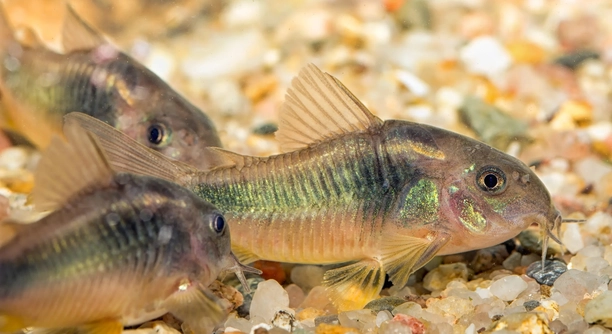
Corydoras catfish are peaceful and active creatures that bring life to any aquarium. However, like all pets, they can experience stress and anxiety. Understanding what might be affecting their well-being is crucial for maintaining a healthy tank environment.
Several factors can contribute to anxiety in Corydoras catfish, including poor water quality, improper tank mates, lack of hiding spaces, inadequate temperature, overcrowding, sudden changes in the environment, and feeding issues. These factors can trigger stress and discomfort.
Addressing these concerns can help improve the overall happiness of your Corydoras. By understanding these causes, you can create a more peaceful, stable environment for your catfish.
Poor Water Quality
Water quality is one of the most important factors affecting Corydoras catfish. These fish are sensitive to pollutants, ammonia, nitrites, and nitrates. If the water is not clean, it can lead to stress, respiratory issues, and even illness. Maintaining a proper filtration system and regular water changes will ensure your catfish stay healthy and happy.
When water quality is poor, your catfish might start to exhibit signs of distress, like staying near the surface or hiding more than usual. It’s essential to monitor ammonia and nitrate levels using a water test kit.
To improve the water quality, keep the tank well-maintained by cleaning it regularly. Perform partial water changes of about 25% each week, and make sure the filter is running effectively. Avoid overfeeding, as uneaten food can degrade water quality. Keeping a stable environment will significantly reduce stress for your Corydoras catfish.
Incompatible Tank Mates
Some tank mates may cause anxiety in your Corydoras catfish. Aggressive or overly active fish can stress them out. Corydoras are peaceful and prefer a calm environment, so aggressive fish like cichlids or larger species might not be ideal.
Consider the temperament of any potential tank mates before introducing them to the aquarium. Fish like tetras or guppies are a better fit because they are also peaceful and won’t threaten the Corydoras. If you notice your catfish hiding more frequently, it could be due to the behavior of other fish in the tank.
Keeping compatible tank mates with your Corydoras catfish helps reduce stress and keeps them active and healthy. Watch for signs of aggression or territorial behavior from other fish. If needed, adjust the tank setup or separate the fish to restore a peaceful environment.
Lack of Hiding Spaces
Corydoras catfish are bottom dwellers that enjoy hiding in their environment. Without enough hiding spaces, they may become anxious or stressed. Adding caves, plants, or other decorations can help them feel safe and secure.
Corydoras catfish are naturally shy fish. In the wild, they often seek shelter under rocks, plants, or logs to avoid predators. In an aquarium, this behavior is similar. If there are no hiding spots, your catfish may feel exposed and unsafe, leading to stress. The more places they have to hide, the more likely they are to thrive.
When setting up your tank, consider using smooth rocks, plants, or even a decorative piece that can serve as a hideout. These hiding places will give your catfish a chance to rest or retreat when they feel overwhelmed. It will also help them feel more comfortable exploring the rest of the tank.
Inconsistent Water Temperature
Corydoras catfish are sensitive to temperature changes. Keeping the tank at a stable, appropriate temperature is crucial for their well-being. Sudden temperature fluctuations can cause stress and weaken their immune systems.
These fish prefer a water temperature between 72°F and 78°F (22°C – 26°C). If the tank is too cold or too hot, Corydoras catfish may become lethargic or stressed. A steady temperature will encourage healthy behavior, such as foraging and socializing.
Investing in a reliable aquarium heater is essential to maintaining consistent temperatures. Also, avoid placing your tank near windows or heaters where drafts can affect the water temperature. A thermometer will help you monitor the temperature daily and keep it within the right range. This simple step can make a big difference in your catfish’s comfort.
Overcrowding
Overcrowding can cause stress in Corydoras catfish. If there are too many fish in the tank, it leads to competition for space, oxygen, and food. This can result in anxiety, sickness, and even aggression.
Make sure to follow the general rule of one inch of fish per gallon. This will give your Corydoras enough room to swim and hide without feeling cramped. The more space your fish have, the happier and healthier they will be. If you notice excessive hiding or surface swimming, it may be time to reduce the number of fish.
Sudden Environmental Changes
Corydoras catfish don’t handle sudden changes in their environment well. Abrupt shifts in water parameters, tank decor, or even lighting can cause stress and anxiety. They prefer stable conditions where they can feel secure.
If you need to make changes, do so gradually. When changing water, keep the temperature consistent. Avoid moving decorations or altering the tank too often, as this can unsettle your fish. Stability is key for reducing stress and keeping your Corydoras happy.
Poor Diet
A poor diet can lead to stress in Corydoras catfish. Feeding them improper food or inconsistent portions can result in nutritional deficiencies, making them more susceptible to anxiety and health issues.
Offer a variety of high-quality food such as sinking pellets, live or frozen worms, and occasional vegetables. Be mindful of their feeding schedule and avoid overfeeding, as uneaten food can decay and harm water quality. Maintaining a balanced diet will ensure your catfish are well-fed and less stressed.
FAQ
What are the signs of stress in Corydoras catfish?
When Corydoras catfish are stressed, they may start to display abnormal behaviors. They might swim erratically, hide more often, or spend time near the surface. A lack of activity or interest in food is another indicator that something is wrong. If you notice these behaviors, it’s essential to check the water quality and assess the tank environment.
How can I reduce stress in my Corydoras catfish?
To reduce stress, focus on creating a stable and clean environment. Make sure the water quality is good by testing for ammonia, nitrates, and nitrites. Providing adequate hiding spots, maintaining a consistent temperature, and ensuring they have enough space to swim freely will also help. Regular water changes and a balanced diet are essential.
How often should I change the water for my Corydoras catfish?
Water changes should be done at least once a week. A 25% water change will help remove toxins and prevent the buildup of harmful substances. In tanks with more fish or higher bioloads, you may need to do water changes more frequently. Always test water parameters before and after changes to ensure the water stays in a safe range.
Can Corydoras catfish live with other fish?
Yes, Corydoras catfish are generally peaceful and can live with other non-aggressive species. It’s essential to avoid keeping them with large or aggressive fish that may harass them. Tank mates like tetras, guppies, and small peaceful species are ideal companions. Ensure the tank is not overcrowded, as this can also lead to stress.
What is the ideal temperature for Corydoras catfish?
Corydoras catfish prefer water temperatures between 72°F and 78°F (22°C – 26°C). Keeping the water within this range will ensure they stay active and healthy. Temperatures outside this range can lead to health problems and stress. A reliable heater and thermometer can help maintain a consistent temperature.
Do Corydoras catfish need a lot of space?
While Corydoras catfish are relatively small, they do need enough space to swim and hide. Overcrowding can cause anxiety and reduce their overall well-being. A general rule is to provide at least 1 inch of fish per gallon of water. More space leads to a healthier and less stressed fish.
How do I know if my Corydoras catfish are getting enough food?
Corydoras catfish are bottom feeders and will often scavenge for food. To ensure they get enough nutrition, offer sinking pellets, live or frozen worms, and occasional vegetables. Make sure they have access to food, especially during feeding time, as faster fish might outcompete them. Avoid overfeeding, as leftover food can affect water quality.
Can Corydoras catfish eat plants?
Corydoras catfish may nibble on soft plants, but they are not herbivores. They usually prefer a diet consisting of protein-rich foods like worms, small crustaceans, and sinking pellets. If you provide live plants in the tank, be sure they are hardy and not likely to be eaten by the fish.
Are Corydoras catfish nocturnal?
Corydoras catfish are often more active during the evening and nighttime. They are bottom dwellers, so you may not see them much during the day, especially if the tank has bright lights. As nocturnal feeders, they tend to become more active when the lights are dimmed, searching for food and interacting with their environment.
Why are my Corydoras catfish swimming at the surface?
If your Corydoras catfish are swimming at the surface more than usual, it could be a sign of poor water quality or oxygen deprivation. Test the water for ammonia, nitrites, and oxygen levels. If needed, improve water circulation or add an air stone. A surface-oriented behavior can also result from temperature fluctuations or stress.
Can Corydoras catfish breed in a home aquarium?
Yes, Corydoras catfish can breed in a home aquarium. To encourage breeding, provide them with a stable environment, including clean water and suitable tank mates. Corydoras typically breed during the rainy season in their natural habitat, so mimicking this with temperature changes and water changes may trigger their breeding behavior.
How do I tell if my Corydoras catfish are sick?
Sick Corydoras catfish may exhibit abnormal behavior such as lethargy, loss of appetite, or visible signs like faded coloring, bloated bellies, or external lesions. They might also swim erratically or scrape their bodies against objects. If you notice any of these signs, it’s important to test the water quality and possibly consult a vet or aquarium expert.
Final Thoughts
Corydoras catfish are generally peaceful and hardy fish, making them great additions to many aquariums. However, they can still experience stress and anxiety due to various factors in their environment. Poor water quality, incompatible tank mates, lack of hiding spaces, and sudden environmental changes can all lead to discomfort for these fish. Understanding these factors and making necessary adjustments to their tank setup can significantly improve their well-being. A stable environment with proper water conditions, plenty of hiding spots, and peaceful tank mates will help keep your Corydoras happy.
Maintaining good water quality is key to preventing stress in Corydoras catfish. Regular water changes, proper filtration, and testing for ammonia, nitrates, and nitrites will ensure that the water is safe and clean. Additionally, Corydoras are bottom-dwellers and feel more secure when they have places to hide. Including caves, plants, and other tank decorations will give them the space they need to retreat when they feel vulnerable. A balanced diet is also crucial—offering a variety of foods ensures they receive the necessary nutrients to stay healthy and active. By following these basic guidelines, you can help your Corydoras thrive.
Ultimately, Corydoras catfish are resilient, and with the right care, they can adapt to their environment. Small adjustments, such as managing overcrowding or keeping the water temperature stable, can go a long way in reducing anxiety. As with any pet, observing their behavior and making improvements based on their needs will lead to a healthier and happier fish. Taking the time to understand what causes stress in Corydoras catfish will not only enhance their lives but also bring you greater enjoyment as you watch them grow and interact in their home aquarium.

Hello,
If you enjoy the content that we create, please consider saying a "Thank You!" by leaving a tip.
Every little bit helps us continue crafting quality advice that supports the health, happiness, and well-being of pets around the world, for pets of all shapes, sizes, and species.
We really appreciate the kindness and support that you show us!