
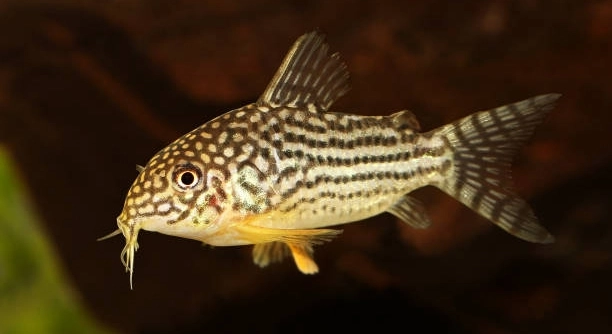
Corydoras catfish are popular aquarium pets, known for their playful nature and bottom-dwelling habits. But how do you know if they’re getting enough exercise to stay healthy and happy in their environment?
Corydoras catfish require enough space to swim and forage for food, as well as activities that encourage movement. Without exercise, they may become stressed, unhealthy, or develop behavioral issues. Regular activity is crucial for their well-being.
Providing the right conditions for your catfish is essential for their health. Understanding the signs of sufficient exercise can help keep them active and thriving in your aquarium.
Space and Tank Environment
Corydoras catfish are bottom-dwelling fish that thrive in a well-structured aquarium. A cramped tank or one without hiding spots and natural elements like plants or rocks can restrict their movement. Inadequate space leads to a lack of exercise, which could cause your fish to become lethargic and stressed. Make sure your tank provides enough open areas for swimming and places where they can hide when they feel the need. A spacious environment allows your Corydoras to move freely and engage in natural behaviors, promoting better health and overall well-being.
A tank that’s at least 20 gallons will help provide enough space for these active fish. Regular cleaning and maintaining good water quality are also essential factors that help in keeping the tank environment healthy.
A cluttered tank can make your Corydoras catfish feel boxed in, making them less likely to move around. By giving them plenty of room, you create an environment where they can swim freely and engage in more exercise, benefiting their long-term health.
Tankmates and Social Interactions
Corydoras catfish are social creatures that enjoy interacting with other peaceful fish. When housed with compatible tankmates, they are more likely to stay active and exercise. A lively community tank helps stimulate their natural behaviors and keeps them moving. However, avoid aggressive fish that might stress them out.
Adding other peaceful species like tetras, guppies, or rasboras can encourage your Corydoras to be more active, as they will engage in swimming and foraging behaviors. In a well-balanced tank, the constant movement of other fish can motivate your Corydoras to follow and explore. This exercise helps keep them fit and healthy, as they’ll swim more often.
A tank with good tankmates allows Corydoras to feel safe while still being active. When they’re surrounded by friendly fish, they are more likely to engage in the playful, bottom-dwelling activities they enjoy. This constant motion ensures they stay active and fit while still feeling comfortable in their environment.
Water Quality and Temperature
Maintaining stable water conditions is crucial for your Corydoras catfish’s health and exercise. Clean, well-filtered water encourages movement, while poor water quality can lead to lethargy and illness. Regular water changes are essential to keep things in balance.
Corydoras thrive in water temperatures between 72-78°F (22-26°C). If the water is too cold, they may become sluggish and exercise less. Ensure that your tank heater is working correctly to maintain the right temperature. Additionally, proper filtration is key for keeping the water clean and oxygenated, both of which encourage your Corydoras to move around.
When water quality and temperature are optimal, your Corydoras will feel comfortable swimming and foraging. These conditions promote their natural instincts, which include constantly searching for food and interacting with their surroundings. Regular maintenance of your aquarium setup can lead to a happier, more active fish.
Feeding and Foraging
Corydoras are bottom feeders, and they enjoy scavenging for food. Regular feeding encourages them to move around and explore their environment. Overfeeding can lead to inactivity, so it’s important to provide enough food without excess. This helps maintain healthy movement and exercise.
Provide a varied diet, including sinking pellets, frozen or live foods like bloodworms, and algae wafers. Feeding them in different parts of the tank can encourage them to swim around more and search for food. When they forage, they get the exercise they need to stay healthy.
Active foraging helps Corydoras stay engaged with their environment. This natural behavior ensures they stay fit and active, reducing the chances of them becoming sedentary or stressed.
Light Levels
Lighting in the tank plays a role in Corydoras activity. Too much light can make them hide, while too little can reduce their activity. A moderate, consistent light schedule works best.
Corydoras prefer dimly lit environments, as they are naturally nocturnal. If the tank is overly bright, they might retreat to hiding spots. Use soft lighting during the day and give them a period of darkness at night to simulate their natural habitat. The right light encourages them to be more active during their active hours.
FAQ
How do I know if my Corydoras catfish is stressed?
Stressed Corydoras can show several signs. They may hide more than usual, stay motionless in the corners of the tank, or swim erratically. Stress can also cause them to lose their appetite or become less active. If you notice these behaviors, check the water quality, temperature, and tank conditions to ensure everything is optimal. Also, take note of any aggressive tankmates that might be causing stress. Keeping the environment peaceful and stable is crucial for their well-being.
Can Corydoras catfish get bored in the tank?
Yes, Corydoras can become bored if they don’t have enough to engage with. They are active bottom dwellers and need stimulation, such as a varied environment with plants, rocks, and places to explore. Without enrichment, they may become lethargic. Offering different types of food, hiding spots, and even changing the layout of the tank from time to time can help keep them interested and active.
How often should I feed my Corydoras catfish?
Feed your Corydoras once or twice a day, offering only what they can consume in a few minutes. Overfeeding can lead to waste build-up and poor water quality, which affects their activity. A balanced diet, with a mix of sinking pellets, frozen or live foods, and algae wafers, is ideal. This keeps them healthy and motivated to swim around and search for food.
Can Corydoras catfish live with other fish?
Corydoras catfish are peaceful and typically do well with other non-aggressive fish. They prefer the company of their own kind and enjoy being in schools. However, avoid pairing them with overly aggressive species that might intimidate or stress them. Tetras, guppies, and rasboras are great tankmates for Corydoras, as they promote a calm, active environment that encourages movement.
Do Corydoras catfish need a heater?
Yes, Corydoras catfish prefer a stable water temperature between 72°F and 78°F (22°C to 26°C). A heater is necessary if the room temperature fluctuates or if the tank is kept in a cooler area. Keeping the water temperature within this range promotes healthy behavior and encourages regular activity. If the water is too cold, your Corydoras may become sluggish and less active.
Why isn’t my Corydoras moving much?
There could be several reasons for low activity in your Corydoras. First, check the water quality; poor water conditions can lead to lethargy. Additionally, stress from aggressive tankmates or a lack of space can cause them to hide or remain still. If the water temperature is too cold, it may also cause them to be less active. Make sure the tank is clean, the water is filtered properly, and the temperature is within the recommended range.
Can Corydoras catfish exercise in a small tank?
While Corydoras can survive in smaller tanks, they won’t get enough exercise if the space is too cramped. A small tank can limit their movement and affect their overall health. It’s recommended to have at least a 20-gallon tank for a group of Corydoras. This allows them to swim freely and forage, which helps keep them active and healthy.
What is the best way to encourage exercise for Corydoras catfish?
To encourage exercise, create a tank with plenty of open space for swimming and various objects for exploration. Add plants, rocks, and other structures that encourage foraging. Changing the location of food occasionally can prompt them to swim around in search of it. Tankmates can also help stimulate movement by encouraging social interaction. A tank with multiple levels, hiding spots, and varied surfaces promotes natural exercise behaviors in Corydoras catfish.
Are Corydoras catfish active at night?
Yes, Corydoras catfish are primarily nocturnal, so they may become more active after the lights go out. During the day, they tend to rest or hide, but in the evening, they start foraging for food and moving around the tank. If you notice that your Corydoras seem more active at night, this is completely normal. Some owners opt for a dimmer light cycle to allow the catfish to feel more comfortable during their active hours.
What tank size is best for Corydoras catfish?
Corydoras catfish need a tank with sufficient space to swim and forage. A minimum of 20 gallons is recommended for a small group. Larger groups or species may need larger tanks to accommodate their social behavior and activity levels. Proper tank size ensures your Corydoras have enough space to move freely and stay active. Small, cramped spaces can lead to inactivity and stress, which negatively impacts their health.
Final Thoughts
Ensuring your Corydoras catfish gets enough exercise is essential for their well-being. These bottom-dwelling fish are naturally active, and providing them with the right environment helps them stay healthy and engaged. Proper tank space, suitable tankmates, and a clean, well-maintained tank all play a role in encouraging their natural behaviors. Corydoras thrive in aquariums that allow them to swim freely, forage for food, and interact with their surroundings. Without sufficient exercise, they can become lethargic, stressed, and may develop health problems over time.
A varied diet is another important factor. Corydoras catfish need a balanced feeding routine that encourages them to forage and move around. Overfeeding can lead to inactivity, so it’s important to only provide as much food as they can consume in a few minutes. By offering a mix of sinking pellets, live or frozen foods, and algae wafers, you ensure they get the nutrition they need while keeping them active. Feeding them in different parts of the tank can also encourage them to explore and stay physically engaged.
Lastly, keeping the water quality and temperature stable is crucial. Clean water helps your Corydoras stay healthy and active, while proper temperature control ensures they remain comfortable. Avoid letting the water become too cold or too warm, as this can affect their behavior. Regular water changes, along with a reliable filtration system, will support their exercise and overall health. By focusing on the environment, diet, and water conditions, you can create the ideal setup for your Corydoras to thrive and stay active in their tank.

Hello,
If you enjoy the content that we create, please consider saying a "Thank You!" by leaving a tip.
Every little bit helps us continue crafting quality advice that supports the health, happiness, and well-being of pets around the world, for pets of all shapes, sizes, and species.
We really appreciate the kindness and support that you show us!