
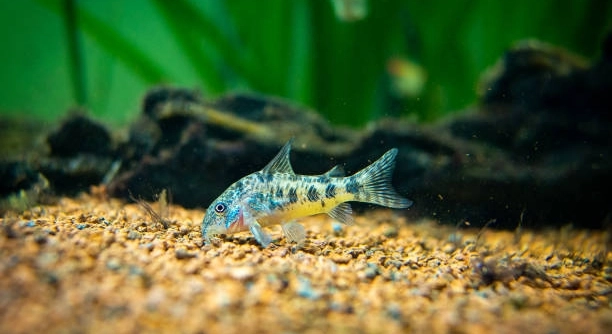
Introducing Corydoras catfish to a new tank requires careful preparation. These peaceful fish need a stable and suitable environment for a smooth transition. The right steps ensure their health and happiness in their new home.
Before introducing Corydoras catfish to a new tank, ensure that the water parameters, such as temperature, pH, and hardness, are stable and within the ideal range for these fish. Additionally, acclimate the catfish gradually to avoid shock.
Understanding the proper steps will guarantee a healthier and stress-free experience for your Corydoras. These tips will help ensure your fish settle into their new environment without complications.
Preparing the Tank for Corydoras Catfish
Before bringing Corydoras catfish into a new tank, make sure the tank is set up with all the necessary equipment. A well-established tank with a proper filtration system will make the transition easier for the fish. The water should be tested to ensure it’s at the right temperature, pH, and hardness. It is also important to ensure the tank has a soft substrate. Corydoras catfish have sensitive barbels that could be damaged by sharp materials, so a smooth, fine substrate like sand or rounded gravel is ideal. The tank should also have hiding spots such as plants or caves, as these fish prefer some cover to feel secure.
A tank with a gentle water flow is also essential for Corydoras catfish. These fish are bottom dwellers and do not do well in strong currents. By setting up a peaceful and safe environment, you can ensure your fish will thrive in their new home.
Proper preparation will lead to a smooth experience for your Corydoras. It is important to keep their needs in mind while setting up the tank.
Acclimating Corydoras Catfish to the Tank
Once the tank is ready, the next step is acclimating your Corydoras catfish to their new environment. This is a gradual process, ensuring that the fish do not go into shock.
To start, float the bag with the fish in the tank for about 15 to 20 minutes. This allows the temperature of the water in the bag to adjust to the tank temperature. Afterward, slowly add small amounts of tank water into the bag every 10 minutes. This gradual introduction helps the catfish adjust to the water parameters of their new tank. Avoid dumping the water from the bag into the tank. Instead, gently transfer the fish into the tank using a net. This prevents any water from the pet store from being introduced to your tank.
Taking the time to acclimate the fish properly will reduce stress and give them a better chance at adjusting. Immediate introduction without proper acclimation can lead to health problems.
This simple but crucial process ensures your Corydoras are comfortable in their new home. Proper acclimation plays a big role in their long-term health.
Monitoring Water Quality Regularly
Water quality is crucial for Corydoras catfish health. Regular water testing is necessary to keep track of pH, ammonia, nitrite, and nitrate levels. Keeping these levels in check ensures the fish are living in a safe environment. Perform partial water changes weekly to maintain clean water.
Corydoras catfish are sensitive to water quality, so it is important to test frequently, especially during the first few weeks after introducing them to the tank. Keeping ammonia and nitrite levels at zero is essential, as these compounds can cause harm to your fish. Nitrate levels should also be kept low, ideally below 20 ppm, to prevent long-term health issues.
A consistent water change routine helps maintain healthy water parameters. It’s important to replace 25-30% of the water each week, using a good water conditioner to remove chlorine or chloramine. Consistent monitoring and maintenance prevent issues before they arise.
Proper Tankmates for Corydoras Catfish
Corydoras catfish are peaceful bottom dwellers, so it is important to choose tankmates that won’t disturb them. Avoid aggressive fish that could stress or harm your catfish.
Small, peaceful fish like tetras, guppies, and rasboras are ideal companions for Corydoras. These fish swim in the upper levels of the tank, leaving the bottom area for the catfish. Corydoras do best in groups of at least three, but more is better. This allows them to feel secure and interact with one another.
It’s also essential to avoid placing fast-moving fish or fin-nippers with Corydoras. Fish like barbs and certain cichlids could harass the catfish, leading to stress and potential injuries. The ideal tankmates should be calm, non-aggressive, and not compete for the bottom of the tank.
Lighting and Tank Setup
Corydoras catfish prefer dim lighting, as bright lights can stress them out. Consider using low-intensity LED lights or placing the tank in an area with indirect natural light.
You can also add plants and decorations to provide hiding spaces. This will help them feel secure. Avoid using sharp objects, as Corydoras catfish are prone to injury due to their sensitive barbels.
A tank setup that mimics their natural environment will reduce stress and promote better health. Plants like java moss or anubias are great for providing cover without overcrowding the space.
Feeding Corydoras Catfish
Corydoras catfish are bottom feeders that enjoy a variety of food. They thrive on sinking pellets, frozen or live food like bloodworms, and occasional vegetable matter.
It is important to feed them the right amount of food to avoid overfeeding, which can lead to water quality issues. A balanced diet is key to their well-being. Ensure the food is sinking to the bottom so they can easily access it.
Feeding them regularly ensures they get enough nutrition without wasting food that could contaminate the tank. A consistent feeding schedule helps keep them healthy and active.
FAQ
What is the ideal tank size for Corydoras catfish?
Corydoras catfish are small and peaceful, but they do best in a tank with plenty of space. A 20-gallon tank is usually the minimum for a small group of Corydoras. This allows them to move around comfortably and avoid overcrowding. A larger tank is even better, especially if you plan to keep other fish with them.
Can Corydoras catfish live with other fish?
Yes, Corydoras catfish can live with other peaceful species. It’s important to avoid aggressive or territorial fish that might harass them. Smaller community fish like tetras, guppies, and rasboras are ideal tankmates. They won’t compete for the bottom of the tank, where Corydoras prefer to stay.
How often should I feed Corydoras catfish?
Corydoras catfish should be fed once or twice a day, offering them an amount they can consume within a few minutes. Overfeeding can lead to water quality issues, so it’s important to only give them what they can eat. You can offer sinking pellets, bloodworms, or occasional vegetables like zucchini.
Are Corydoras catfish good for beginners?
Yes, Corydoras catfish are a great choice for beginners. They are hardy, easy to care for, and don’t require complicated setups. As long as the water conditions are stable and they have suitable tankmates, Corydoras are simple to maintain and make a peaceful addition to any aquarium.
How do I know if my Corydoras catfish is healthy?
Healthy Corydoras catfish are active and alert. They should swim around the bottom of the tank, looking for food. Their fins should be undamaged, and their eyes clear. Any signs of lethargy, discolored fins, or unusual behavior could indicate stress or illness. It’s important to monitor their behavior closely and address any issues promptly.
Do Corydoras catfish need a filter?
Yes, Corydoras catfish do best in well-filtered tanks. They are sensitive to poor water quality, so having a good filtration system helps keep the tank clean and stable. However, it’s important to ensure the filter’s current is not too strong, as Corydoras prefer slow-moving water.
Can I keep Corydoras catfish in a tank without a lid?
It’s best to have a lid on your tank, as Corydoras catfish are known to jump occasionally, especially if they feel threatened. A lid will prevent them from jumping out of the tank and potentially getting injured. Ensure the lid has small enough gaps to prevent escapes.
What should I do if my Corydoras catfish is not eating?
If your Corydoras catfish isn’t eating, check the water parameters to ensure they are within the proper range. Stress due to poor water conditions, aggressive tankmates, or improper food can cause loss of appetite. Try offering different types of food, such as sinking pellets or live food.
Can Corydoras catfish live in cold water tanks?
Corydoras catfish are tropical fish and require warm water, usually between 72°F and 78°F (22°C to 26°C). They won’t thrive in cold water, and the stress from lower temperatures can lead to health problems. A heater is essential if you live in a cooler climate.
How can I tell if my Corydoras catfish is stressed?
Stressed Corydoras catfish may hide more than usual, swim erratically, or show signs of injury. If the fish are hiding all the time, it could indicate poor water quality or a lack of suitable tankmates. Check the water parameters and remove any aggressive fish from the tank if necessary.
How do I clean the tank with Corydoras catfish in it?
When cleaning a tank with Corydoras catfish, avoid disturbing the substrate too much. Use a siphon to clean the gravel or sand while doing partial water changes. Be gentle when cleaning decorations or plants to prevent any damage to the fish or their environment.
Can Corydoras catfish live with shrimp?
Yes, Corydoras catfish can live with shrimp, such as cherry shrimp or ghost shrimp, as long as the shrimp are large enough not to be eaten. Corydoras are peaceful and usually won’t bother small shrimp. However, be cautious with smaller shrimp species, as they might become prey for larger Corydoras.
Why are my Corydoras catfish staying at the top of the tank?
If Corydoras catfish are consistently staying at the top of the tank, it could indicate a problem with the water quality, particularly oxygen levels. Make sure the water is properly aerated and that the filtration system is working effectively. Poor water quality can cause fish to swim near the surface to get more oxygen.
Can Corydoras catfish live in a tank with sand?
Yes, Corydoras catfish actually prefer a sandy substrate, as it’s gentler on their sensitive barbels. Sand mimics the natural environment of these fish, allowing them to sift through it while searching for food. Just make sure the sand is smooth and not too coarse to prevent injury.
Do Corydoras catfish need to be in groups?
Yes, Corydoras catfish are social animals and do best in groups. Keeping at least three together helps reduce stress and allows them to exhibit their natural behaviors. A small group of six or more is even better, as they are more likely to feel secure and active.
How do I keep my Corydoras catfish active?
To keep Corydoras catfish active, provide plenty of hiding spots and places to explore in the tank. Ensure the substrate is suitable for their natural behavior, such as sand or smooth gravel. Regular feeding, stable water conditions, and peaceful tankmates will also keep them active.
Final Thoughts
Corydoras catfish are a great addition to any aquarium. They are peaceful, easy to care for, and can live harmoniously with many other species. Their calm nature and bottom-dwelling habits make them an interesting and enjoyable fish to keep. With the right care, they can live for several years and thrive in a well-maintained tank. Whether you are a beginner or an experienced fishkeeper, Corydoras catfish can adapt to different environments and are generally hardy.
Proper water conditions, a suitable tank setup, and a balanced diet are the most important factors in ensuring that Corydoras catfish remain healthy. These fish thrive in tanks with a stable temperature between 72°F and 78°F and prefer water with a gentle current. Regular water changes and a proper filtration system will help maintain a clean environment, promoting their overall well-being. Providing them with sufficient hiding spaces, such as plants or decorations, can reduce stress and make them feel secure.
By following these basic guidelines, you can create a habitat that allows your Corydoras catfish to flourish. They enjoy the company of other peaceful species, so adding them to a community tank will help them feel more comfortable. Remember to avoid aggressive tankmates and ensure the water conditions are stable. With the right care, Corydoras catfish can thrive in your aquarium for many years, offering you a peaceful and beautiful addition to your fish tank.

Hello,
If you enjoy the content that we create, please consider saying a "Thank You!" by leaving a tip.
Every little bit helps us continue crafting quality advice that supports the health, happiness, and well-being of pets around the world, for pets of all shapes, sizes, and species.
We really appreciate the kindness and support that you show us!