
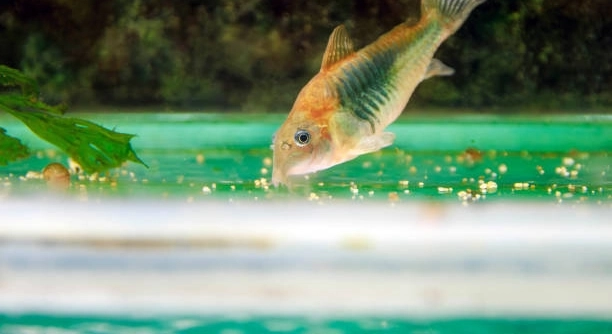
Corydoras catfish are popular in aquariums, known for their peaceful nature and bottom-dwelling habits. However, you may notice that these fish tend to avoid bright light. Understanding why this happens can help you improve their environment.
Corydoras catfish tend to avoid light due to their natural behavior and habitat preferences. In the wild, they are often found in dimly lit environments such as river bottoms or under submerged objects. This aversion helps them feel secure and reduces stress.
Understanding your Corydoras’ preference for dim environments can improve their well-being. By adjusting their habitat, you can create a more comfortable environment that supports their natural behaviors and health.
Natural Instincts of Corydoras Catfish
Corydoras catfish are naturally bottom-dwelling fish that prefer the darker, more secure areas of their environment. In their native habitats, they are often found in areas where light is limited, such as under submerged objects or in the depths of riverbeds. This preference for dim lighting is closely tied to their instinctual behavior of seeking out hiding spots to avoid predators. In an aquarium setting, bright lights can cause stress and anxiety, leading to them seeking darker areas. It is important to remember that this behavior is not a sign of illness or discomfort, but rather a manifestation of their natural instincts.
They have evolved to thrive in low-light conditions, so keeping them in a well-lit tank may cause unnecessary stress. The more secure they feel, the more active and social they will become. Providing them with hiding spots and darker corners in the tank allows them to express their natural behaviors without feeling threatened.
Understanding these behaviors is key to providing an ideal environment for your fish. Adjusting the lighting to suit their preferences can help reduce their stress levels, which in turn promotes better health.
Importance of Tank Setup
The setup of your aquarium plays a significant role in how comfortable your Corydoras feel. If you have bright overhead lights, consider dimming them or using more subtle lighting options. Soft LED lights can mimic the dim conditions found in their natural habitats, reducing stress. Furthermore, adding plants, rocks, and other decorations will create hiding places where the catfish can retreat when feeling insecure.
Creating a tank that reflects their natural environment will allow them to feel more at ease. The presence of hiding spots gives them a sense of safety, which in turn encourages normal behavior and reduces any negative effects of artificial lighting. By replicating these conditions, you are providing a better habitat that keeps them healthy and active.
Be mindful that too much light can also encourage algae growth, which could potentially harm your fish. By balancing the light levels, you’ll not only keep your Corydoras happy, but also maintain a clean, healthy environment for all the tank’s inhabitants.
Light Sensitivity
Corydoras catfish are naturally sensitive to light. Their eyes are adapted for low-light environments, which is why they often seem to avoid bright or direct light in the tank. It’s not that they dislike light, but rather that they prefer dimmer conditions where they feel safe and secure.
Exposing Corydoras to harsh lighting can cause them to hide or become inactive. Their natural behavior is to seek darker areas for protection, as bright lights make them feel vulnerable. For optimal well-being, it’s important to adjust the light to mimic their natural environment. Dimmer lighting helps reduce stress, allowing them to remain active and engaged in their surroundings. Consider using low-wattage bulbs or aquarium lights that are adjustable.
It’s also helpful to provide shaded areas or objects like rocks and plants that can block out light and create a comfortable space for your fish to retreat. By doing this, you’ll give them the opportunity to choose their preferred environment, reducing stress and promoting better health.
Effects on Behavior
When Corydoras catfish are exposed to excessive light, their behavior can change. They may spend more time hiding, becoming less social and more reclusive. This lack of interaction can affect their overall activity levels and may even impact their appetite.
In contrast, when kept in dimmer lighting conditions, Corydoras become more active and exhibit their natural behavior. They explore the bottom of the tank, search for food, and interact with other fish. Providing these conditions not only encourages natural behavior but also supports their overall health.
Changing the lighting to suit your Corydoras’ needs can make a significant difference in their behavior. Instead of constantly hiding, they will feel comfortable enough to explore and interact with their environment. This positive shift improves their quality of life, making them more enjoyable to watch.
Temperature and Light Interaction
The temperature of the water can also play a role in how your Corydoras react to light. Warmer water tends to increase the metabolic rate of fish, making them more active. However, when paired with bright lighting, this combination may stress your Corydoras, causing them to seek darker areas of the tank.
If the water temperature is too high, it can compound the effects of bright lights. Corydoras are more likely to become overwhelmed by this environment, and it may lead to a decrease in overall health. Keeping the water temperature within their preferred range, along with adjusting the lighting, helps maintain a stable environment.
Maintaining the right temperature, combined with dimmer lighting, ensures your Corydoras feel comfortable. The balance between light and temperature can make a noticeable difference in their behavior and stress levels, leading to a happier and healthier fish.
Behavior Changes During the Day
During the day, Corydoras tend to become more active when the light is dimmed. They may move around the tank, interact with other fish, and search for food. However, bright lights can limit this activity and cause them to hide more often.
A more subdued lighting setup will allow them to follow their natural routine. Dim lighting encourages exploration, as it mimics the conditions of their natural habitat. By adjusting your tank’s light levels throughout the day, you can help your Corydoras feel safer and more comfortable, supporting their overall health.
Providing Hiding Spaces
Hiding spots are essential for Corydoras catfish. In the wild, they often take refuge under rocks, plants, or other structures to escape from predators. Providing similar hiding spots in your aquarium will give them a sense of security.
Adding caves, plants, or driftwood offers them places to retreat when they feel stressed. These hiding spots can also help reduce the negative effects of bright light. The more secure they feel, the more comfortable they will be exploring their surroundings and interacting with other fish in the tank.
FAQ
Why do Corydoras catfish avoid bright light?
Corydoras catfish are naturally adapted to low-light conditions. In the wild, they live in areas with dim lighting, like river bottoms or shaded spaces under rocks and plants. Bright light makes them feel exposed and vulnerable, so they instinctively seek darker areas to feel secure. This behavior is not a sign of illness or distress, but rather a natural instinct to hide from potential predators.
Can Corydoras live in a brightly lit tank?
While Corydoras can survive in a brightly lit tank, it’s not ideal for their well-being. Excessive light can cause stress, leading them to hide more often and become less active. They are more likely to be comfortable and active in dimmer lighting, where they can feel safe to explore and interact with their environment. It’s important to create an environment that mirrors their natural habitat for optimal health.
What is the best lighting for Corydoras catfish?
The best lighting for Corydoras catfish is soft and dim. You can use low-wattage aquarium lights or LED lights that are adjustable. This type of lighting mimics their natural environment, where light is filtered through water and often blocked by plants or submerged objects. Reducing the intensity of the light will help your Corydoras feel more comfortable and less stressed.
How can I reduce stress caused by bright lights for my Corydoras?
To reduce stress caused by bright lights, you can adjust the intensity or duration of the lighting in your tank. Opt for dimmer lighting or set up a lighting schedule that provides periods of low light. Adding plants, rocks, or other decorations will create shaded areas where your Corydoras can retreat if they feel overwhelmed. Ensuring that the tank mimics their natural habitat will help them feel more secure.
Do Corydoras need to hide from light during the day?
Yes, Corydoras catfish prefer hiding from light during the day, especially if the tank is brightly lit. In their natural habitat, they are used to dim or filtered light, which makes them feel secure. Bright light can make them feel exposed, so they will seek shelter in darker areas, such as under plants or rocks. Providing hiding spots in the tank can help reduce their stress and encourage natural behavior.
Is it okay to have plants in the tank with Corydoras?
Yes, plants are an excellent addition to a Corydoras tank. Not only do they provide hiding spots, but they also create a more natural environment. Plants offer areas where the fish can retreat, helping them feel safe from bright light or potential threats. Additionally, plants help maintain water quality by absorbing excess nutrients, which benefits the overall health of your fish.
How can I ensure my Corydoras are comfortable in their tank?
To ensure your Corydoras are comfortable, you should provide a tank setup that closely resembles their natural environment. Use dim lighting, add plenty of hiding spots, and provide soft substrates for them to dig through. Keep the water temperature stable, within the recommended range for Corydoras, and make sure the water quality is maintained through regular water changes and filtration. All these factors contribute to their comfort and well-being.
Do Corydoras like to swim near the surface?
Corydoras catfish typically prefer to stay near the bottom of the tank, where they can forage for food and explore. They are not surface swimmers and generally avoid areas with too much light. You may see them occasionally swimming in the middle of the tank, but their natural behavior is to stay closer to the substrate, where they feel safe. If you want them to thrive, it’s best to provide a tank that caters to their bottom-dwelling nature.
How do Corydoras react to other fish in the tank?
Corydoras catfish are peaceful and social creatures that generally get along with most other fish. However, they do best in tanks with other calm, non-aggressive species. Bright light or aggressive fish can stress them out, causing them to hide or become inactive. It’s important to consider the temperament of other fish in the tank and ensure the environment is peaceful for your Corydoras.
Can Corydoras catfish live with bettas?
Corydoras catfish and bettas can sometimes coexist in the same tank, but there are a few considerations to keep in mind. Bettas can be territorial and aggressive, particularly toward fish with long fins or other brightly colored fish. Corydoras, being bottom dwellers, typically avoid interaction with other fish, but you should monitor them to ensure that the betta doesn’t become overly aggressive. As long as the betta is not harassing the Corydoras, they can live together peacefully.
Why do Corydoras catfish dig in the substrate?
Corydoras catfish are known for their habit of digging through the substrate. This behavior is completely natural and serves several purposes. In the wild, they dig for food like small invertebrates and detritus. They also use this behavior to hide or create shelter. Providing a soft, sandy substrate in the tank will allow them to engage in this natural behavior without causing harm to themselves.
Do Corydoras prefer a clean tank?
Yes, Corydoras catfish thrive in a clean environment. While they are efficient at scavenging leftover food and debris from the bottom of the tank, it is important to maintain water quality. Regular water changes, good filtration, and proper tank cleaning will help keep the environment healthy for your fish. A clean tank supports the overall health of your Corydoras and reduces the risk of stress and disease.
Final Thoughts
Understanding why Corydoras catfish tend to avoid bright light is essential in creating the best environment for them. These fish are naturally adapted to dim, shaded areas in their wild habitats, where they feel safer and more secure. Bright lights can cause stress, making them retreat to darker corners of the tank. This behavior is a natural response to avoid potential predators, and it’s important to respect their need for dimmer lighting. By replicating their natural habitat with softer, more subdued lighting, you can create a comfortable environment that helps reduce stress and encourages more natural behavior.
Providing adequate hiding spaces is another important factor in ensuring your Corydoras feel at ease. They thrive in tanks with plenty of plants, rocks, or caves where they can retreat when needed. These hiding spots give them a sense of security, especially when they feel overwhelmed by bright lights or tankmates. Creating an environment with these elements will not only improve their comfort but also promote healthier and more active behavior. It’s also crucial to maintain water quality and temperature within the recommended range to further reduce stress factors that may lead to hiding.
By considering factors like lighting, hiding spaces, and overall tank setup, you can ensure that your Corydoras catfish thrive in their aquarium. These simple adjustments make a big difference in their well-being, allowing them to live a more natural and stress-free life. With the right environment, your Corydoras will become more active, engage in natural behaviors, and enjoy a healthier, happier life.

Hello,
If you enjoy the content that we create, please consider saying a "Thank You!" by leaving a tip.
Every little bit helps us continue crafting quality advice that supports the health, happiness, and well-being of pets around the world, for pets of all shapes, sizes, and species.
We really appreciate the kindness and support that you show us!