
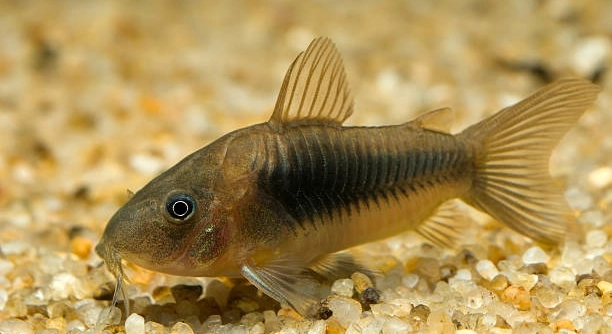
Corydoras catfish are popular for their peaceful nature and easy care. However, many aquarium owners wonder if they can live alone or require tank mates for the best living conditions. Let’s explore this topic further.
Corydoras catfish can survive without tank mates, but they thrive better in the company of other fish. They are social creatures and feel more comfortable with others of their kind. Isolation may lead to stress and less activity.
Understanding these factors will help you provide the best care for your Corydoras, ensuring they are healthy and active in their environment.
Can Corydoras Catfish Live Alone in a Tank?
Corydoras catfish are known for their calm temperament and low maintenance, making them a popular choice for many aquarium owners. While they can technically survive alone, they are not the best choice for solitary living. Corydoras are social creatures, and without the company of other fish or fellow Corydoras, they may become stressed or less active. In the wild, they naturally live in groups, so replicating that environment in an aquarium helps maintain their overall health and well-being.
Tankmates provide security and stimulation, making the fish feel less vulnerable. They are also more likely to display natural behaviors when in groups. So, while Corydoras can survive solo, having a few companions can significantly improve their quality of life.
Moreover, stress in these fish can lead to various health issues, including a weakened immune system. Without the social interaction they crave, Corydoras are more prone to infections and may show signs of lethargy or a lack of appetite. This makes it crucial to consider tankmates if you want them to thrive.
Importance of Tankmates for Corydoras
Choosing the right tankmates is key to maintaining a peaceful and harmonious aquarium. Corydoras are not aggressive, but they benefit from the presence of fish that are similarly peaceful.
They are bottom-dwellers and enjoy scavenging the substrate for food. Other fish that occupy different tank levels help keep the environment balanced. Corydoras do well with species such as tetras, rasboras, and other peaceful catfish. Avoid pairing them with overly aggressive or territorial fish, as this could cause stress.
Corydoras can also play an essential role in keeping your tank clean by scavenging uneaten food and detritus from the bottom. This helps reduce the buildup of waste in your aquarium, benefiting both the catfish and their tankmates. A well-balanced tank will help create an environment where Corydoras are more active and healthy. This is why adding compatible tankmates is an important consideration when setting up their habitat.
Risks of Keeping Corydoras Catfish Alone
When kept alone, Corydoras catfish may experience a decrease in activity and overall health. Stress can easily build up without the company of their own kind or other peaceful fish, leading to a less vibrant and more lethargic catfish. Their behavior may become less active, and they could lose interest in eating or scavenging.
These fish are naturally social, and isolation can disrupt their routine. Without tankmates, Corydoras are also more vulnerable to disease. The lack of interaction with other fish can weaken their immune system over time. These factors make it clear that Corydoras will thrive best in the presence of others.
Keeping Corydoras in a group or with compatible tankmates helps them feel safe and secure. This encourages them to swim and forage, leading to better overall health. The interaction with other fish keeps them stimulated, preventing boredom and stress. It also reduces the chances of the catfish developing behavioral or health issues.
Choosing the Right Tankmates for Corydoras
When selecting tankmates for Corydoras, it’s important to consider their peaceful nature. They do well with species like tetras, guppies, and rasboras, which are non-aggressive. Avoid pairing them with fish that are too large or territorial, as these could pose a threat or cause stress.
Tankmates that occupy different areas of the aquarium, such as mid or top-level swimmers, help create a balanced environment. Corydoras are bottom-dwellers, so having other species around them will not interfere with their space. It’s essential to choose fish that complement the catfish’s calm behavior to ensure peace in the tank.
Fish that share similar temperature and water parameter preferences also make ideal companions for Corydoras. Ensuring a compatible environment will not only promote the health of your catfish but also keep your entire aquarium thriving. Choosing the right tankmates is key to a peaceful and healthy setup.
Space Requirements for Corydoras in a Solo Setup
Corydoras catfish need sufficient space to feel comfortable. If kept alone, it’s still essential to provide them with an adequately sized tank. A small tank can lead to stress, especially if there’s nowhere for them to hide or explore. A 20-gallon tank or larger is ideal.
Even in solitary setups, Corydoras need a clean and well-maintained environment. With the absence of tankmates, their activities, such as scavenging, will be more noticeable. Make sure the substrate is soft to protect their sensitive barbels. Keep water parameters stable for their overall health.
Water Conditions for Corydoras
Corydoras are hardy, but they still need water conditions that mimic their natural habitat. They prefer slightly acidic to neutral water with temperatures ranging from 72°F to 78°F. Regular water changes are necessary to keep their environment clean and avoid toxins building up in the water.
Good filtration is essential as well. Despite being bottom dwellers, Corydoras can be sensitive to high levels of waste in the water. A reliable filter system will ensure clean water and help maintain a stable environment. Ensure it’s not too strong, as they prefer gentle water movement.
Feeding Corydoras Catfish Alone
When kept alone, Corydoras are still active feeders and enjoy a varied diet. Offering high-quality sinking pellets and occasional treats like frozen or live foods ensures they stay healthy. Make sure they have enough food to forage, as they naturally enjoy scavenging the substrate.
Without tankmates to compete for food, you can offer smaller portions more frequently throughout the day. This will encourage natural foraging behavior and prevent boredom. Be cautious not to overfeed, as leftover food can pollute the tank. Proper feeding routines will help keep your Corydoras happy and well-nourished.
FAQ
Can Corydoras catfish live in a tank by themselves?
Yes, Corydoras catfish can survive alone in a tank, but it’s not the best option for their overall well-being. These fish are social and do better with tankmates or fellow Corydoras. Without companions, they may become stressed, less active, and more vulnerable to health problems. They thrive in groups and feel more secure with other peaceful fish around. If you must keep them alone, ensure they have plenty of space and regular attention to reduce stress.
What is the best tank size for a solo Corydoras catfish?
A 20-gallon tank or larger is ideal for a single Corydoras catfish. While they don’t require large amounts of space, they do need room to swim and explore. A small tank can lead to a cramped environment, which increases stress levels. A larger tank also provides better water quality and stability, making it easier to maintain.
Do Corydoras catfish need a heater in their tank?
Yes, Corydoras catfish prefer stable water temperatures between 72°F and 78°F. A heater is important to maintain this range, especially in cooler climates. Fluctuations in temperature can stress the fish and lead to health issues. A reliable heater will help keep the water conditions optimal for their comfort and survival.
What type of substrate is best for Corydoras catfish?
Corydoras have sensitive barbels, so it’s important to use a soft substrate, such as sand or fine gravel. Sharp or rough surfaces can injure their barbels, affecting their ability to forage and navigate. Sand is the most popular choice, as it mimics their natural environment and allows them to dig and search for food comfortably.
Can Corydoras catfish live with other species?
Yes, Corydoras catfish can live with other peaceful species, such as tetras, guppies, or rasboras. They are calm bottom dwellers and usually don’t compete for food with fish that occupy other areas of the tank. Avoid aggressive or territorial species, as these can cause stress. Corydoras do best in peaceful communities where all the fish get along.
How often should I feed my Corydoras catfish?
Feed your Corydoras catfish once or twice a day, offering them a variety of foods like sinking pellets, frozen or live foods, and occasional treats. They are scavengers and enjoy foraging at the bottom of the tank, so make sure they have enough food to search for. Be cautious not to overfeed, as this can lead to water quality problems.
What are the signs that a Corydoras catfish is stressed?
Stress in Corydoras can manifest as a lack of appetite, lethargy, or hiding for extended periods. If your Corydoras is spending too much time hiding, it could be a sign of discomfort. Other symptoms include abnormal swimming patterns or difficulty breathing. If you notice these signs, check the water conditions and tank environment to ensure they are suitable.
How long do Corydoras catfish live?
Corydoras catfish typically live between 5 and 10 years, depending on the care they receive. Providing them with a stress-free environment, proper water conditions, and a balanced diet can help them live a long and healthy life. Regular tank maintenance is key to their well-being, as poor water quality can shorten their lifespan.
Are Corydoras catfish good for beginner aquarium owners?
Yes, Corydoras catfish are a great choice for beginner aquarium owners. They are hardy, easy to care for, and require minimal maintenance. However, it’s important to understand their social needs and provide them with the right tank conditions. With proper care, they can thrive in a variety of setups.
Can Corydoras catfish jump out of the tank?
Corydoras are not known for jumping, but it is still possible for them to leap out of the water if they feel threatened or stressed. It’s always a good idea to have a tank cover or lid to prevent accidental escapes, especially if you have a lidless aquarium setup. This is more of a precaution than a common issue, but it’s worth considering.
How do I know if my Corydoras catfish is healthy?
Healthy Corydoras catfish are active, have a clean and smooth body, and swim in a relaxed, natural manner. They should have clear eyes, healthy fins, and no visible wounds or parasites. If they are swimming upside down, gasping at the surface, or showing signs of disease, it’s time to check water quality and make sure they’re in good conditions. Regular observation is key to keeping them healthy.
Final Thoughts
Corydoras catfish are hardy and peaceful creatures that can live alone, but they are much happier in the company of other fish. Their social nature means they thrive best in groups, and keeping them solo could lead to stress, which affects their health and overall behavior. While they can survive in a tank by themselves, it’s always a good idea to keep them in a small group of their own kind or with other peaceful species. The companionship of other fish helps them feel secure, allowing them to exhibit their natural behaviors, such as scavenging and foraging, which they enjoy.
When setting up a tank for a single Corydoras, make sure the environment is stress-free and has all the necessary elements. A properly sized tank, ideally 20 gallons or more, ensures they have enough space to move around. Adding soft substrate like sand helps protect their sensitive barbels, and a heater is necessary to maintain stable water temperatures. Regular water changes, good filtration, and careful monitoring of water quality will keep the tank conditions ideal for their well-being. It’s important to maintain a balanced environment, as Corydoras are sensitive to poor water conditions and will not thrive if their surroundings are not properly cared for.
While Corydoras are easy to care for and make great additions to peaceful aquariums, it’s essential to understand their needs. Providing them with a safe and secure tank environment, as well as adequate tankmates, will ensure they remain active and healthy. Feeding them a varied diet, including sinking pellets and occasional treats, will support their overall health. Remember that their longevity depends on the care they receive, so attention to water conditions and feeding routines will help them live a long and happy life.

Hello,
If you enjoy the content that we create, please consider saying a "Thank You!" by leaving a tip.
Every little bit helps us continue crafting quality advice that supports the health, happiness, and well-being of pets around the world, for pets of all shapes, sizes, and species.
We really appreciate the kindness and support that you show us!