
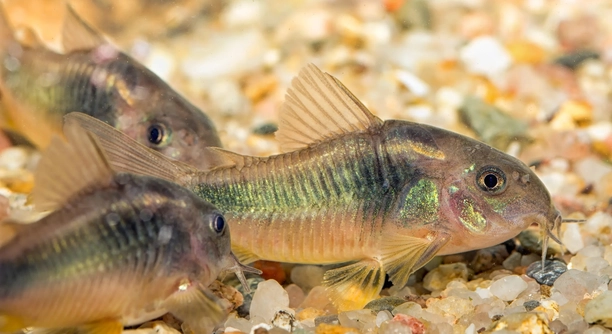
Ammonia poisoning in Corydoras catfish can be a serious concern for any aquarium owner. Identifying the signs early is essential to protect your fish from harm. This article will guide you through the symptoms to watch for.
Ammonia poisoning in Corydoras catfish often manifests as changes in behavior, such as lethargy, erratic swimming, and difficulty breathing. Gasping for air at the surface and loss of appetite are common indicators, along with faded or damaged fins.
By recognizing these signs, you can act quickly to ensure your Corydoras catfish recovers and thrives in a safe, healthy environment.
What Is Ammonia Poisoning in Corydoras Catfish?
Ammonia poisoning occurs when high levels of ammonia build up in the aquarium water. This can happen due to poor water quality, overfeeding, or inadequate filtration. Corydoras catfish, being sensitive to water conditions, can suffer greatly from this toxic substance. Ammonia is harmful to fish, especially in its un-ionized form, which is more toxic in warmer water. When ammonia levels rise, it disrupts the fish’s gill function, leading to difficulty breathing and other health issues. Regular water changes and proper filtration are essential to prevent ammonia buildup. Monitoring water quality regularly can ensure a healthier tank environment. Without intervention, ammonia poisoning can lead to stress, decreased immune function, and even death.
Maintaining stable water conditions is crucial for the health of your Corydoras catfish. Ammonia poisoning is not always immediately visible, so proactive water testing can help prevent problems before they escalate.
By understanding ammonia’s role in water quality, you can safeguard your catfish from potential harm. This knowledge ensures their well-being in the long run.
Identifying Early Symptoms of Ammonia Poisoning
Recognizing ammonia poisoning early in Corydoras catfish is vital. Keep an eye out for sluggish movements, loss of appetite, or fish swimming near the surface gasping for air.
Ammonia poisoning primarily affects the gills, impairing the fish’s ability to breathe efficiently. As ammonia accumulates, the catfish may begin showing signs of distress, including rapid gill movement and erratic swimming patterns. Faded coloration and damaged fins are also common. In severe cases, you may notice fish becoming disoriented or even sinking to the tank bottom.
Identifying these symptoms early can make a significant difference in treatment. Regular water testing for ammonia, pH, and nitrate levels will provide crucial insights into the overall water quality. If signs of ammonia poisoning are noticed, it’s important to act immediately by performing water changes and adding chemical filters to help reduce toxins.
The Impact of High Ammonia Levels on Fish Behavior
Ammonia poisoning can lead to significant behavioral changes in Corydoras catfish. These changes are often the first signs that something is wrong.
When ammonia levels rise, catfish may become more sluggish or lethargic. You might notice them spending more time near the water surface, gasping for oxygen. They may swim erratically or remain motionless at the bottom of the tank. This behavior is the catfish’s attempt to cope with reduced oxygen levels, as ammonia interferes with the gill function. Loss of appetite is also common, as the fish’s body struggles to adapt to the toxic environment.
These changes often signal a worsening condition. The longer the catfish is exposed to high ammonia, the more stressed and weaker it will become. Regular water checks can help prevent these signs from becoming severe.
Preventing Ammonia Poisoning in Your Aquarium
Preventing ammonia poisoning in Corydoras catfish starts with maintaining water quality. Regular water changes are essential in keeping ammonia levels in check.
Ensuring proper filtration is another important aspect of prevention. Filters help remove toxins like ammonia from the water, keeping the environment healthier for your fish. Avoid overfeeding your catfish, as excess food can break down and release ammonia into the water. Keeping the tank clean by removing debris and uneaten food will also reduce ammonia buildup. A good practice is testing your water frequently, especially if you notice any changes in behavior or water clarity.
The key to keeping your catfish safe is vigilance. By setting a routine of water changes, filtering, and monitoring ammonia levels, you can help prevent ammonia poisoning before it becomes an issue.
Testing Ammonia Levels in Your Aquarium
Regular testing of ammonia levels is essential for maintaining a healthy tank. Ammonia test kits are easily available and offer quick results.
Test your aquarium water weekly to detect ammonia before it becomes a problem. Testing helps you catch imbalances early, allowing for timely interventions. It’s important to test not only ammonia but also nitrites and nitrates, as they can indicate the health of your filtration system. Keeping a log of test results can help track trends and catch any spikes.
A good testing routine can save your fish from ammonia poisoning by ensuring your water remains safe.
How to Treat Ammonia Poisoning in Corydoras Catfish
If you notice signs of ammonia poisoning, immediate action is necessary to prevent further harm. Start by performing a partial water change to reduce ammonia levels.
Next, add an ammonia-removal product to the tank, like zeolite or activated carbon. These products help absorb ammonia, clearing it from the water. Aeration can also help by increasing oxygen levels, which can relieve stress on your fish. Keep an eye on the fish’s behavior and monitor water quality to ensure the treatment is effective. It’s also a good idea to test the water regularly to confirm ammonia levels have dropped.
Addressing ammonia poisoning early on ensures that your Corydoras catfish can recover and thrive.
Adjusting Tank Conditions After Ammonia Poisoning
Once ammonia poisoning has been addressed, it’s important to adjust your tank’s conditions to prevent future occurrences.
Reassess your filtration system and make sure it’s working effectively. If necessary, upgrade your filter to ensure it can handle the waste produced by your fish.
FAQ
What causes ammonia poisoning in Corydoras catfish?
Ammonia poisoning in Corydoras catfish is typically caused by poor water quality. It occurs when ammonia, a toxic byproduct of fish waste, uneaten food, and decaying plants, builds up in the aquarium. Inadequate filtration, infrequent water changes, or overfeeding can all contribute to high ammonia levels. Corydoras are sensitive to water conditions, and even small amounts of ammonia can affect them. Regular testing and proper tank maintenance are key to avoiding ammonia poisoning.
How do I know if my Corydoras catfish is affected by ammonia poisoning?
Signs of ammonia poisoning in Corydoras catfish include gasping at the water’s surface, erratic swimming, and loss of appetite. You may also notice that the catfish become more lethargic or start swimming near the tank’s surface in search of oxygen. In severe cases, their fins may become damaged, and they might even begin to sink to the bottom of the tank. If you observe these behaviors, test the water immediately for ammonia levels and take action.
Can ammonia poisoning be treated at home?
Yes, ammonia poisoning can be treated at home with prompt action. The first step is to perform a partial water change to dilute the ammonia concentration in the tank. Adding an ammonia-removal product such as zeolite or activated carbon can help absorb toxins from the water. Aeration will also help improve oxygen levels and relieve stress on the fish. Continue monitoring the water quality and the fish’s behavior until it stabilizes. If the situation doesn’t improve, consider consulting a veterinarian or an aquarium expert.
How can I prevent ammonia poisoning in my tank?
Prevention of ammonia poisoning involves regular maintenance and monitoring of the aquarium. Perform weekly water changes, especially if your tank has a heavy fish load. Use a reliable filtration system that can handle the waste produced by your fish. Avoid overfeeding, as uneaten food decomposes and adds to ammonia levels. Test the water regularly for ammonia, nitrites, and nitrates to ensure your tank’s water quality is stable. Consistent care and monitoring are the best way to prevent ammonia buildup.
What are the ideal water parameters for Corydoras catfish?
Corydoras catfish thrive in water with a pH range of 6.0 to 8.0 and a temperature of 72°F to 78°F (22°C to 26°C). Water hardness should be between 2 and 30 dGH. Keeping ammonia and nitrite levels at 0 ppm and nitrates under 20 ppm is also critical. Regular water testing is essential to ensure these parameters are maintained. A good filtration system and routine water changes will help achieve these conditions. The more stable the water conditions, the healthier your Corydoras catfish will be.
Can plants help with ammonia levels?
Yes, plants can assist in reducing ammonia levels in the aquarium. Plants absorb ammonia as a source of nitrogen for their growth. Fast-growing plants, in particular, can be effective in lowering ammonia concentrations, especially when combined with good filtration and water changes. However, plants alone cannot replace proper filtration and maintenance, so they should be used as part of a comprehensive water quality management plan.
What should I do if the ammonia levels remain high after water changes?
If ammonia levels remain high after a water change, it may indicate that the tank’s filtration system is insufficient or not working properly. Check the filter to ensure it is clean and operating at full capacity. You may need to upgrade the filter or add additional filtration. Consider using ammonia-removal products to help clear the toxins. Testing the water for other factors, such as nitrites or nitrates, can provide additional insights into the water’s overall health. Ensure the tank isn’t overcrowded and avoid overfeeding to reduce ammonia production.
How often should I test for ammonia in my aquarium?
Ammonia testing should be done at least once a week, but you may need to test more frequently if you notice any signs of distress in your fish. If you’ve recently made changes to your tank, such as adding new fish or plants, it’s a good idea to test ammonia levels more often. You should also test after water changes or filter maintenance to ensure the water remains safe for your fish. Regular testing is the best way to catch ammonia spikes before they become a problem.
Can ammonia poisoning cause long-term damage to Corydoras catfish?
Yes, ammonia poisoning can cause long-term damage to Corydoras catfish if not treated promptly. Prolonged exposure to ammonia can weaken their immune system, making them more susceptible to infections and diseases. The damage to their gills can also lead to chronic breathing difficulties, reducing their overall health and lifespan. If the poisoning is severe and untreated, it can lead to organ failure and death. Early intervention is key to preventing long-term damage.
Are there any specific signs of severe ammonia poisoning?
In severe cases of ammonia poisoning, Corydoras catfish may display extreme signs of distress, such as erratic swimming patterns, rapid gill movement, or difficulty staying upright in the water. They may lose their ability to swim properly, either becoming too lethargic or disoriented. Their fins could become damaged, and their coloration may fade. If ammonia levels are extremely high, fish may show signs of shock and could die if not treated immediately. Testing the water and performing a water change is crucial if these symptoms appear.
Final Thoughts
Ammonia poisoning can be a serious concern for Corydoras catfish, but it is manageable with proper care and attention. These fish are sensitive to water quality, and even small amounts of ammonia can cause stress and health issues. Regular water testing, proper filtration, and timely water changes are essential to prevent ammonia buildup in the tank. Keeping the aquarium environment clean and stable is the best way to ensure the long-term health and well-being of your Corydoras catfish.
If you notice signs of ammonia poisoning, it’s important to act quickly. Reducing ammonia levels through water changes and using ammonia-removal products can help prevent further harm to your fish. Aeration and monitoring the fish’s behavior can also aid in their recovery. Always keep track of ammonia levels and maintain a consistent tank routine to avoid any sudden changes in water conditions. A healthy aquarium environment is key to preventing future issues and helping your Corydoras thrive.
By staying proactive and addressing ammonia levels before they become a problem, you can keep your tank healthy and your fish happy. While ammonia poisoning can be alarming, it is not the end of the road for your Corydoras catfish. With the right care, they can recover and continue to live a healthy, active life in your aquarium. Remember, prevention is the best approach, but even if issues arise, acting quickly can make all the difference.

Hello,
If you enjoy the content that we create, please consider saying a "Thank You!" by leaving a tip.
Every little bit helps us continue crafting quality advice that supports the health, happiness, and well-being of pets around the world, for pets of all shapes, sizes, and species.
We really appreciate the kindness and support that you show us!