
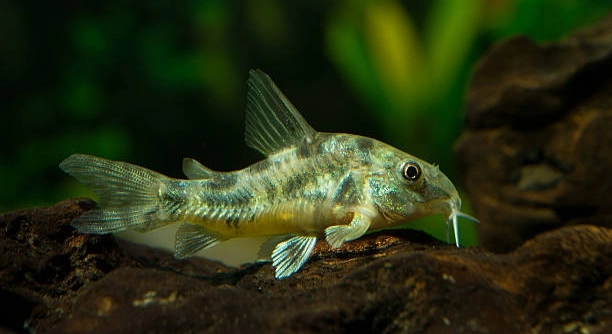
Corydoras catfish are popular aquarium fish known for their peaceful nature and adorable behavior. Ensuring they thrive requires setting up the right tank environment to meet their specific needs. Creating the best conditions will help them stay healthy and active.
To create the best tank conditions for Corydoras catfish, ensure the water temperature is between 72-78°F (22-26°C), with soft, slightly acidic water. Provide a fine substrate, plants for hiding, and a gentle filtration system to avoid strong currents.
A suitable tank environment is key to your Corydoras catfish’s well-being. With a few adjustments, you’ll provide them with the best possible living space.
Setting Up the Right Tank Temperature
The temperature of the water in your Corydoras catfish tank plays a significant role in their overall health. Corydoras thrive in warm water, so it’s important to keep the temperature between 72-78°F (22-26°C). Anything too cold or too hot can cause stress and lead to health problems. You can easily regulate this temperature by using a reliable aquarium heater. Keep an eye on the water temperature regularly with a thermometer. Also, avoid sudden temperature fluctuations, as Corydoras are sensitive to changes. Stable conditions help your fish feel comfortable and reduce the risk of diseases.
Maintaining the right water temperature is essential for Corydoras catfish health. It helps them remain active and reduces the chances of stress-related illnesses.
In addition to maintaining the right temperature, ensuring that it stays steady over time is crucial. Extreme temperature changes can weaken your fish’s immune system. Use an aquarium thermometer to monitor the water consistently. A stable environment promotes the well-being of your catfish and ensures they are happy in their new home.
Choosing the Right Water Hardness
Corydoras catfish prefer soft water with a slightly acidic pH level. It’s best to maintain a pH between 6.0 and 7.0. Hard water, with a higher pH, can cause health problems, making it difficult for Corydoras to absorb oxygen properly. To keep your catfish comfortable, you can use water softeners to adjust the water hardness as needed. Regular water testing helps ensure that your tank conditions are suitable for these fish.
Test the water regularly to ensure the hardness is in the right range for Corydoras. This step will help prevent problems down the line.
The water’s hardness is a key factor in keeping Corydoras catfish healthy. In addition to pH, you should also consider the general hardness (GH) and carbonate hardness (KH) levels. Low hardness water is often ideal for Corydoras, so aim to keep the GH between 4-10 dGH. Soft water helps them thrive by promoting better oxygen absorption. If your water is too hard, consider using a dechlorinator and adjusting the hardness with additives specifically designed for aquarium use. Regular maintenance and testing ensure your catfish will enjoy a safe and healthy environment.
Choosing the Right Substrate
Corydoras catfish are bottom dwellers, so choosing the right substrate is essential. A fine, smooth sand substrate is ideal for them. Avoid sharp gravel or rough materials as they can hurt their delicate barbels. Sand mimics their natural habitat and allows them to forage for food safely.
A fine sand substrate also helps keep the water cleaner by preventing debris from getting trapped. It’s easy to maintain and looks natural in your tank. Corydoras like to sift through the sand in search of food, and a fine substrate helps them do this without any harm.
In addition, sand doesn’t cause water flow issues like some other substrates. This is important, as Corydoras prefer calm water. The sand also allows beneficial bacteria to grow, which helps keep the tank environment stable. Make sure to clean the substrate regularly to avoid buildup of waste or uneaten food. Your catfish will appreciate the soft, natural surface for their activities.
Installing a Gentle Filter System
Corydoras are sensitive to strong currents, so it’s important to use a gentle filtration system. A sponge filter or a low-flow canister filter is perfect for keeping the water clean while maintaining the peaceful environment your catfish need. Choose a filter with adjustable flow settings.
A gentle filter prevents the water from becoming too turbulent, which is important for the well-being of your Corydoras catfish. They prefer calm waters, as strong currents can cause stress or make feeding difficult. A sponge filter is also great because it provides both filtration and aeration while keeping the tank gentle.
Moreover, the sponge filter helps with oxygen exchange, which is essential for maintaining a healthy environment. Corydoras need to breathe easy, and the right filter can ensure that they get enough oxygen in their habitat. Just remember to clean the filter regularly to avoid any clogging or build-up, which can lead to water quality issues. Your fish will feel safe and comfortable in the peaceful waters.
Adding Plants for Hiding Spaces
Plants offer Corydoras catfish a sense of security by providing hiding spots. They are shy fish that appreciate plants to hide behind or explore. Live plants like java fern, anubias, or Amazon sword work well and add natural beauty to the tank.
Plants also help with water quality by absorbing nitrates and providing oxygen. They create a more natural and balanced environment for your catfish, which reduces stress and enhances their overall health. Corydoras will enjoy swimming through the plants, creating a more active and lively tank. Regular pruning of plants will also help maintain a clean tank.
Maintaining Proper Tank Lighting
Corydoras catfish prefer low to moderate lighting. Bright lights can be stressful for them, especially since they are bottom dwellers and enjoy dimmer environments. Use aquarium lighting that mimics their natural habitat, where they experience more subdued light.
Low lighting also encourages plants to grow better, which further benefits your Corydoras by providing hiding spaces and oxygen. Opt for a timer to ensure the lighting is consistent and doesn’t cause sudden changes, as these can be stressful for your fish. Keep in mind, your Corydoras prefer a calm, quiet setting with minimal disturbances.
Monitoring Water Quality Regularly
Keeping an eye on water quality is crucial for the health of your Corydoras. Regular testing for ammonia, nitrites, and nitrates ensures that the tank environment stays safe. A good filtration system helps, but testing gives you peace of mind.
It’s important to perform partial water changes regularly, usually about 20% of the tank’s volume. This will keep toxins from building up and maintain the right balance of minerals. Corydoras are sensitive to water conditions, so consistent monitoring and cleaning are essential to ensure a healthy habitat.
FAQ
How many Corydoras catfish should I keep together?
Corydoras are social fish that thrive in groups. It’s best to keep at least 4 to 6 Corydoras together. A larger group will help them feel safer and more comfortable in the tank. They are peaceful and enjoy the company of their own kind, so having a school will keep them active and reduce stress. A small group might make them feel insecure and anxious, which can affect their overall health.
Can Corydoras catfish live with other fish?
Yes, Corydoras are peaceful and get along well with most other fish. They’re bottom dwellers, so they won’t compete with other fish for space. Choose tank mates that are also calm and non-aggressive. Small community fish like tetras, guppies, and rasboras are ideal companions. Avoid keeping them with aggressive fish or species that may disturb them.
What is the ideal tank size for Corydoras?
The minimum tank size for a group of Corydoras is about 20 gallons. A 20-gallon tank allows them plenty of space to swim and explore, reducing stress. If you have a larger group, consider a larger tank to ensure enough swimming room. A bigger tank also helps maintain water quality, which is crucial for their health.
Do Corydoras need a filter?
Yes, Corydoras need a filter to keep the water clean and maintain proper oxygen levels. However, the filter should not create strong currents, as these fish prefer calm water. A sponge filter or low-flow canister filter works best, as it provides gentle filtration without disturbing the fish. Regular maintenance of the filter is important to ensure it operates efficiently.
Can Corydoras live without a heater?
Corydoras catfish are tropical fish and need a consistent water temperature. While they may survive without a heater in warmer climates, it’s highly recommended to use one to maintain the water temperature between 72°F and 78°F (22°C and 26°C). Without a heater, the temperature may fluctuate too much, causing stress to the fish. A stable environment is key to their well-being.
How often should I feed Corydoras catfish?
Corydoras should be fed once or twice a day. Offer them a small amount of food that they can finish in a few minutes to prevent overfeeding. You can provide sinking pellets, which are ideal for these bottom dwellers, along with occasional treats like frozen or live foods such as brine shrimp or bloodworms. Always remove uneaten food to maintain water quality.
Why are my Corydoras not eating?
If your Corydoras aren’t eating, it could be due to stress, poor water conditions, or illness. Check the water quality, especially ammonia, nitrite, and nitrate levels. Ensure the temperature is within the right range and that the tank environment is calm. If the fish continue not eating, check for signs of illness and consider consulting a veterinarian for aquatic animals.
What is the lifespan of Corydoras catfish?
Corydoras catfish generally live for about 5 to 10 years, depending on their care. Maintaining a stable tank environment, good water quality, and a balanced diet will help them live longer. Their lifespan can also be affected by factors such as genetics, stress, and overall health. Regular monitoring and proper tank conditions will maximize their lifespan.
Can Corydoras breed in a home aquarium?
Yes, Corydoras can breed in a well-maintained home aquarium. To encourage breeding, provide optimal water conditions and a temperature of around 74°F to 78°F (23°C to 26°C). Ensure there are plenty of hiding spaces, like plants and caves. Once breeding starts, the female will lay eggs on surfaces, and the male will fertilize them. After hatching, the fry will need small, soft foods like infusoria or crushed flakes to grow.
What should I do if my Corydoras are showing signs of illness?
If your Corydoras show signs of illness, such as swimming erratically, not eating, or having damaged fins, check the water quality immediately. Poor water conditions are the most common cause of stress and illness. If the water checks out, look for external signs of disease, such as fungus or sores. Consult a veterinarian if the problem persists. Quarantining the affected fish is also a good practice to prevent spreading illness.
Do Corydoras need a lid on their tank?
Corydoras do not typically jump, but it’s always a good idea to have a lid on the tank to prevent any accidents. Some species may leap out of the water if startled or stressed. A lid also helps maintain humidity and prevents any contaminants from entering the tank, ensuring a safer environment.
What type of water should I use for Corydoras?
Corydoras prefer soft, slightly acidic water. The pH should be between 6.0 and 7.0, and the hardness should be on the softer side. If your tap water is too hard, you can use reverse osmosis (RO) water or water softeners to adjust the conditions. Always test the water before adding your catfish to ensure it’s suitable.
Can I use tap water for my Corydoras tank?
Yes, you can use tap water for your Corydoras, but it must be conditioned first. Tap water often contains chlorine or chloramine, which are harmful to fish. Always treat the water with a dechlorinator before adding it to the tank. Additionally, test the water to make sure the pH and hardness levels are within the ideal range for Corydoras.
Final Thoughts
Creating the best tank conditions for Corydoras catfish is not complicated but does require attention to detail. They are hardy fish, but they thrive in an environment that mimics their natural habitat. By providing the right temperature, soft water, and a safe, calm space with the proper substrate, your Corydoras will feel at ease. They also need a stable environment with gentle filtration, as they prefer slow-moving water. Adding plants to the tank not only enhances the aesthetic but also gives them areas to hide, which is essential for their well-being. With these elements in place, your Corydoras will be happy, healthy, and active in their tank.
The best part about caring for Corydoras is that they are relatively low-maintenance once the tank is properly set up. Routine tasks like water testing and partial water changes ensure that they stay in a clean, healthy environment. With a gentle filter and stable water conditions, you won’t have to worry about sudden stress or disease. Corydoras are social fish, so keeping them in groups is a simple but important step in helping them feel secure and comfortable. A well-maintained aquarium also benefits the other tank inhabitants, creating a peaceful community.
In the long run, setting up and maintaining the ideal tank conditions for Corydoras is a rewarding experience. By paying attention to their basic needs, you’ll provide a stable environment that supports their health and longevity. A little time and effort go a long way in creating the perfect home for your fish. Whether you are a beginner or have experience with aquarium fish, Corydoras are a great addition to your tank. Their playful nature and peaceful demeanor make them a joy to watch, and by following these tips, you’ll ensure they stay happy for years to come.

Hello,
If you enjoy the content that we create, please consider saying a "Thank You!" by leaving a tip.
Every little bit helps us continue crafting quality advice that supports the health, happiness, and well-being of pets around the world, for pets of all shapes, sizes, and species.
We really appreciate the kindness and support that you show us!