
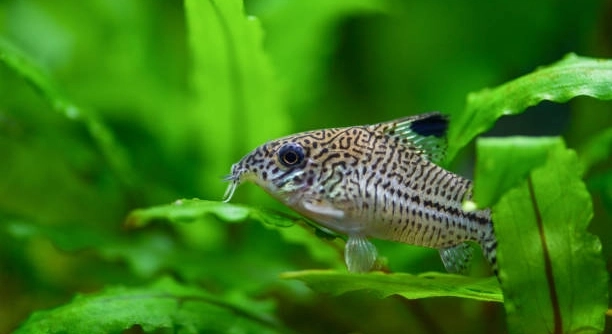
Corydoras catfish are popular in home aquariums due to their peaceful nature and helpful cleaning habits. However, when they suddenly dart to the surface, it can raise concerns for their health and wellbeing.
Your Corydoras catfish darting to the surface could be a sign of stress, low oxygen levels, or water quality issues. Other causes include hunger, injury, or simply their natural behavior. Identifying the underlying issue is essential for their care.
There are several factors that can influence your fish’s behavior, and understanding them can help ensure your Corydoras catfish stays healthy and happy. Keep reading to learn more about these potential causes and how to address them.
1. Low Oxygen Levels
Corydoras catfish may dart to the surface when oxygen levels in the water are low. These fish are sensitive to their environment, and when there isn’t enough oxygen in the tank, they instinctively swim up to the surface to gulp air. This is more likely to happen in tanks with poor water circulation, overstocked conditions, or lack of filtration. If the oxygen levels aren’t balanced, your fish may struggle to breathe properly, leading to this surface-darting behavior.
To fix this, ensure your aquarium has good water circulation and filtration. You can add an air pump or increase the surface agitation to help oxygenate the water. Regular water changes can also improve oxygen levels and overall water quality. Keep an eye on your catfish to see if they become more active and stop darting to the surface after you make these changes.
Proper tank maintenance is essential in preventing oxygen depletion, which helps your Corydoras catfish stay healthy. Adding plants or increasing water movement can also boost oxygen and create a better environment for them.
2. Poor Water Quality
Poor water quality is another major factor that can cause Corydoras catfish to dart to the surface. High levels of ammonia, nitrites, or nitrates can stress fish, making them more likely to gasp for air. A dirty tank, excessive food buildup, or insufficient filtration can all contribute to poor water quality, which may trigger this behavior. In addition, unstable water parameters such as fluctuating pH levels or extreme temperatures can also make your fish uncomfortable and drive them to the surface.
To improve water quality, make sure your aquarium is properly filtered and do regular water changes. Test your water frequently to keep ammonia, nitrites, and nitrates in safe ranges. Consider using a water conditioner to neutralize harmful chemicals. Maintaining consistent water temperature and pH will also make your fish more comfortable. Regular maintenance ensures that your fish remain healthy and free from stress.
Monitoring water quality is key to keeping your Corydoras catfish happy. Clean water promotes healthy fish and prevents unnecessary behavior like darting to the surface. Consistency is the key to success in tank maintenance.
3. Hunger or Feeding Issues
Corydoras catfish may dart to the surface when they are hungry. These fish are bottom feeders and typically look for food near the substrate. However, if they aren’t getting enough food or their feeding habits are disrupted, they may search the surface for food.
To ensure they are properly fed, offer a balanced diet that includes sinking pellets, freeze-dried food, or live food like bloodworms. Avoid overfeeding, as uneaten food can degrade water quality. If your catfish are actively darting to the surface for food, try adjusting their feeding routine or switching up the types of food offered.
Regularly monitor their eating habits. If they seem to have trouble getting food from the substrate, consider using feeding trays or dropping food in areas where they are comfortable feeding. A healthy diet will prevent hunger-related stress and help your Corydoras stay calm.
4. Injury or Illness
When a Corydoras catfish is injured or sick, it may dart to the surface as part of its attempt to seek refuge or avoid further stress. Injuries from rough handling or aggressive tankmates can cause discomfort, while diseases like parasites may affect their behavior.
If you notice your Corydoras darting to the surface suddenly or swimming erratically, check for signs of injury or illness. Look for any visible marks, swelling, or abnormal swimming patterns that could indicate a problem. Isolating the fish in a separate tank can help reduce stress and allow for focused treatment.
Properly diagnosing the issue is key. If symptoms persist, it may be helpful to consult with a vet specializing in fish or use aquarium treatments for common fish diseases. Addressing the root cause will improve your Corydoras’ health and behavior.
5. Natural Behavior
Darting to the surface can simply be a natural behavior for Corydoras catfish. These fish are known to swim up for air occasionally, especially if they feel like exploring or need a brief oxygen boost. It’s not always a sign of distress.
Corydoras are bottom dwellers but may instinctively swim to the surface for short periods. This behavior often occurs when they are calm or searching for food. If your fish is otherwise healthy and the tank conditions are fine, this behavior could just be part of their natural habits.
Occasional surface swimming is nothing to worry about if there are no other signs of stress or illness. Just keep an eye on their overall health and water quality to make sure everything is normal.
6. Tankmates or Social Stress
Aggressive tankmates can cause Corydoras to dart to the surface as a reaction to stress. If they’re being chased or harassed by other fish, they might flee to the top of the tank to escape the unwanted attention.
Adding peaceful companions and avoiding overcrowding can help reduce social stress in your aquarium. Fish like bettas or larger, more aggressive species may bully the smaller Corydoras, making them feel unsafe. Providing hiding spots or plants can give your catfish a sense of security and help them feel more comfortable.
Be mindful of the personalities of all the fish in your tank. A calm, well-balanced community will prevent your Corydoras from feeling stressed or threatened.
FAQ
Why do Corydoras catfish swim to the surface at night?
Corydoras catfish may swim to the surface at night for several reasons. One reason is that they are nocturnal creatures, and it’s common for them to become more active during the night. During these times, they might rise to the surface to gulp air or search for food. It could also be related to low oxygen levels or a minor tank disturbance. If this behavior is occasional, it’s usually not something to worry about. However, if it happens regularly, you might want to check your tank’s oxygen levels or water quality.
How do I know if my Corydoras catfish is sick?
Signs of illness in Corydoras catfish include erratic swimming, loss of appetite, and visible external damage such as lesions or lesions on the fins. You may also notice that your catfish is not interacting with the tank as it usually does or appears to be hiding more often. If these symptoms are present, consider isolating the sick fish in a quarantine tank and researching common fish diseases to narrow down the problem. Consulting a vet who specializes in fish is always a good option for an accurate diagnosis.
Can I prevent Corydoras catfish from darting to the surface?
Yes, you can help prevent Corydoras catfish from darting to the surface by addressing the potential causes. Ensure the tank has proper filtration and circulation to maintain optimal oxygen levels. Regular water changes are also necessary for keeping water quality high. A well-maintained environment with stable water parameters can prevent most issues. Additionally, providing a healthy and varied diet, as well as ensuring no aggressive tankmates, will reduce stress and encourage your Corydoras to remain calm at the bottom.
Is it normal for Corydoras catfish to swim to the surface when stressed?
Yes, it’s normal for Corydoras to swim to the surface when stressed. Stress can result from various factors, such as poor water quality, aggressive tankmates, or changes in the environment. When stressed, Corydoras may swim up to the surface to find relief or better oxygen levels. It’s important to assess the cause of stress and correct it quickly. If you notice prolonged or frequent surface darting, check your tank for issues such as ammonia levels, overcrowding, or injured fish.
What is the best way to reduce surface darting in Corydoras catfish?
To reduce surface darting, focus on improving the overall tank conditions. Maintain good water quality by regularly changing the water, testing it for harmful chemicals like ammonia or nitrites, and ensuring proper filtration. Adding an air pump or improving surface agitation can help boost oxygen levels. Additionally, avoid keeping aggressive fish with your Corydoras and offer them a varied, balanced diet. Providing hiding spots and plants can also reduce stress and help your Corydoras feel more secure.
Can Corydoras catfish live with other fish that dart to the surface?
Corydoras can live with other fish that dart to the surface as long as the overall environment is suitable for all species. Ensure that all tankmates are peaceful and not overly aggressive, as this can lead to stress for the Corydoras. If other fish are darting to the surface due to low oxygen or water quality, address the root cause of the issue to maintain a healthy tank for all inhabitants. Peaceful species such as tetras, guppies, and rasboras can coexist well with Corydoras as long as the tank conditions are right.
How can I tell if my Corydoras catfish is hungry?
Corydoras catfish may dart to the surface if they are hungry, especially if they are used to being fed at a particular time. If your fish are frequently swimming to the surface or actively searching for food, it might be a sign they need more food. Corydoras are bottom feeders and usually prefer sinking pellets or live food that falls to the substrate. If they seem extra active near feeding time, consider adjusting your feeding schedule or providing them with more varied food options.
What should I do if my Corydoras catfish keeps darting to the surface?
If your Corydoras keeps darting to the surface, first check for common issues like low oxygen levels or poor water quality. Make sure the tank is well-filtered and the water is clean. If the behavior persists, check if any other factors, like aggressive tankmates or illness, are at play. Adjusting the tank setup, such as adding more plants or hiding spots, can help create a more comfortable environment. Consistently monitor their behavior to determine if there’s a pattern or trigger that can be addressed.
Can Corydoras catfish survive in tanks with low oxygen levels?
Corydoras catfish can survive in tanks with low oxygen levels for a short period, but it can be harmful to their health in the long run. These fish are more sensitive to oxygen deprivation than other species, and if the oxygen levels in the tank are consistently low, it can lead to stress and health problems. Ensure the tank is well-oxygenated by using air pumps, improving filtration, and increasing surface agitation. Regular water changes also help maintain oxygen levels at a healthy level.
Do Corydoras catfish need a lot of space?
While Corydoras catfish don’t require massive amounts of space, they do need a tank large enough to swim freely and interact with other fish. A 20-gallon tank is typically considered a good starting point for a small group of Corydoras. Providing them with enough space reduces stress and allows them to exhibit natural behaviors, such as foraging on the substrate. Overcrowding can lead to competition for food and poor water quality, both of which can cause your Corydoras to dart to the surface.
Final Thoughts
Corydoras catfish are generally peaceful and easy to care for, but their darting to the surface can be a sign of something going wrong in the tank. While occasional surface-swimming can be a normal behavior, it’s important to watch for patterns that could indicate a deeper issue. If your Corydoras are darting to the surface frequently, it’s best to first check the oxygen levels in the tank and ensure the water quality is optimal. Fish that are gasping for air at the surface may be experiencing a lack of oxygen, which could be caused by poor circulation, inadequate filtration, or overcrowded conditions.
Other causes of surface darting include hunger, stress, injury, and illness. Corydoras are bottom feeders, so if they aren’t getting enough food or if the food is too difficult to reach, they might swim to the surface in search of food. Stress, whether from tankmates, poor water conditions, or changes in the environment, can also cause this behavior. If your catfish are being harassed by more aggressive tankmates, providing them with plenty of hiding spaces can help reduce anxiety and allow them to feel safer. If illness or injury is suspected, isolating the affected fish in a separate tank is the best course of action to reduce further stress and aid in recovery.
In the end, Corydoras catfish can live a long and healthy life with the right care. Monitoring the water quality, providing a proper diet, and maintaining a peaceful tank environment are key factors in keeping them happy. While surface darting may be an occasional behavior, it shouldn’t be ignored if it becomes frequent or is accompanied by other signs of distress. Regular maintenance and attention to detail can ensure your Corydoras stay healthy and comfortable in their home.

Hello,
If you enjoy the content that we create, please consider saying a "Thank You!" by leaving a tip.
Every little bit helps us continue crafting quality advice that supports the health, happiness, and well-being of pets around the world, for pets of all shapes, sizes, and species.
We really appreciate the kindness and support that you show us!