
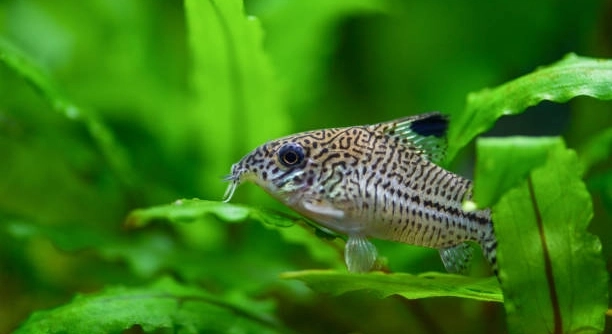
Is your Corydoras catfish not eating as much as it used to? This can be concerning for any fish owner, as it may signal an underlying issue that needs attention.
There are several potential causes for your Corydoras catfish’s loss of appetite, including water quality problems, stress, illness, or an improper diet. Identifying and addressing the root cause can help restore their healthy feeding habits.
Understanding why your fish is losing its appetite can help you take the right steps to improve their condition. Keep reading to explore the most common reasons behind this behavior.
Water Quality Issues
Water quality is one of the most important factors in keeping your Corydoras catfish healthy. If your tank has poor water conditions, it can cause your fish to become stressed and lose their appetite. High ammonia, nitrites, or nitrates, as well as low oxygen levels, can all negatively affect your fish.
Test the water regularly to ensure it’s safe for your Corydoras catfish. Ammonia and nitrite levels should be at 0 ppm, while nitrate levels should not exceed 20 ppm. Regular water changes and maintaining your filter are essential to keeping your tank clean. If your fish are stressed from poor water conditions, they may refuse to eat.
Make sure your aquarium is well-oxygenated, especially if you have a densely populated tank. Corydoras are bottom dwellers and may struggle if the water flow is either too strong or too weak. Proper water temperature is also crucial for maintaining a healthy appetite. Keep the temperature in the range of 72°F to 78°F (22°C to 26°C) for optimal health.
Stress and Environment
Stress is another key factor that could be affecting your fish’s appetite. Corydoras are sensitive to changes in their environment, and anything from loud noises to tank mates can trigger stress.
Provide your fish with a peaceful and calm environment. Avoid overcrowding and ensure that your Corydoras have plenty of hiding spots and caves to retreat to. If there are aggressive or overly active fish in the tank, they may be causing stress that impacts feeding. Make sure your catfish has a quiet and comfortable place to thrive.
Illness and Infection
When Corydoras catfish are sick, they may stop eating. Common illnesses like parasites or bacterial infections can affect their appetite. If you notice changes in behavior, like unusual swimming patterns or visible signs of illness, this may be the cause.
Look for any physical changes, such as cloudy eyes, faded color, or lesions on the body. If your fish isn’t eating and appears lethargic, it’s time to examine them closely for signs of infection. Treating infections early is crucial. If unsure, consider consulting a vet who specializes in fish health for the proper diagnosis and treatment plan.
A decrease in appetite is often one of the first signs of illness in fish. Be sure to keep an eye on the tank’s water quality as well, as bad water conditions can make an infection worse. If you suspect your Corydoras is ill, separate them from healthy fish to prevent spreading any possible diseases. Begin treatment as soon as possible to help them recover.
Improper Diet
A poor or unbalanced diet can lead to a loss of appetite in Corydoras catfish. They need a varied diet, including high-quality pellets, frozen food, and the occasional live food. If their diet lacks proper nutrients, they may become disinterested in food.
Offering food that doesn’t meet their dietary needs can result in malnutrition. If you are feeding them only one type of food, they might lose interest over time. Make sure to include a range of options, such as shrimp, bloodworms, or algae wafers. Regularly changing their food will also keep their meals more exciting.
It’s essential to observe how your Corydoras responds to different food types. Some may prefer certain foods over others, so try offering various options to see which they enjoy the most. Over time, you’ll learn what keeps them eating and healthy.
Water Temperature
Water temperature plays a crucial role in your Corydoras catfish’s appetite. If the temperature is too high or low, it can cause stress and reduce their desire to eat.
Ensure that the temperature remains within the ideal range of 72°F to 78°F (22°C to 26°C). If the water is too cold, your fish may become sluggish and lose interest in food. On the other hand, excessively warm water can also stress them, leading to a lack of appetite.
Use a reliable thermometer to monitor the temperature regularly. Small fluctuations are normal, but consistent changes outside the recommended range can cause problems. Make sure the aquarium heater is functioning properly to maintain stable conditions for your fish.
Tank Cleanliness
A dirty tank can negatively affect your Corydoras catfish’s health and appetite. Poor water quality, excess debris, or algae buildup can cause stress, making them less likely to eat.
Clean your tank regularly to remove uneaten food and waste that may accumulate. A buildup of organic matter in the tank can quickly alter the water quality, creating an unpleasant environment for your fish. Ensure proper filtration is in place to keep the water clean and safe. Regular maintenance helps maintain a healthy, stress-free environment for your catfish.
Tank Mates
The behavior of tank mates can impact your Corydoras catfish’s feeding habits. Aggressive or overly active fish can cause stress, affecting their appetite.
Observe how your catfish interacts with other fish in the tank. If aggressive species are present, consider separating them to prevent stress. Ensure that your tank mates are compatible and that your Corydoras has enough space to feel comfortable. This can improve their feeding habits and overall well-being.
FAQ
What should I do if my Corydoras catfish is not eating?
If your Corydoras catfish is not eating, check the water quality first. Poor water conditions, like high ammonia or low oxygen levels, can cause stress and appetite loss. Test the water and ensure proper filtration. Also, make sure the temperature is within the ideal range of 72°F to 78°F (22°C to 26°C). If the water quality is fine and your fish is still not eating, it might be ill. Look for signs of disease, such as lesions or unusual behavior, and consider separating the sick fish and consulting a vet for treatment.
How can I tell if my Corydoras catfish is sick?
Signs of illness in Corydoras catfish include a loss of appetite, sluggish swimming, faded or discolored skin, and visible lesions. If your fish is hiding more than usual or swimming abnormally, this could be a sign of stress or illness. Any abnormal physical changes or behavior should be addressed immediately. A healthy Corydoras catfish is active and social, and will usually feed eagerly when offered food. A lack of interest in food can often be one of the first signs that something is wrong.
Can Corydoras catfish eat only pellets?
While Corydoras catfish can eat pellets, it’s important to provide them with a variety of foods. Pellets alone may not offer all the nutrients they need for optimal health. You can also feed them frozen foods like bloodworms, brine shrimp, and daphnia. Algae wafers are also a good option, as they help maintain the health of their digestive system. A balanced diet with a mix of different foods will keep your Corydoras healthy and more interested in eating.
Do Corydoras catfish need a specific tank temperature?
Yes, Corydoras catfish prefer a stable water temperature between 72°F and 78°F (22°C to 26°C). Water that’s too cold or too warm can stress the fish and cause them to lose their appetite. Regularly check the water temperature with an aquarium thermometer, especially if you have a heater in the tank. Make sure the heater is set to the correct temperature and is functioning properly. Keeping the temperature within the recommended range will help maintain your catfish’s health and feeding habits.
Can stress affect my Corydoras catfish’s appetite?
Yes, stress is a common cause of appetite loss in Corydoras catfish. Stress can come from many factors, such as sudden changes in water quality, aggressive tank mates, or overcrowding. Corydoras are sensitive to their environment, and any disturbance can cause them to stop eating. Make sure the tank is peaceful, with compatible tank mates and enough hiding spots. If your fish feels safe and comfortable, they’re more likely to eat. Reducing stress in the tank will help your catfish feel more at ease and return to eating regularly.
How often should I feed my Corydoras catfish?
You should feed your Corydoras catfish once or twice a day. They are opportunistic feeders and will usually eat whatever is available to them. However, overfeeding can lead to poor water quality and health problems. Offer only as much food as they can consume in a few minutes to avoid excess waste. It’s also a good idea to vary their diet with different types of food to keep them engaged and interested in eating. Keep in mind that Corydoras are bottom feeders, so ensure some food sinks to the bottom for them to access.
Can I keep Corydoras catfish with other fish?
Yes, Corydoras catfish are peaceful and social creatures, and they generally do well with other peaceful species. They can live in tanks with other calm fish like tetras, guppies, and other bottom dwellers. However, avoid keeping them with aggressive or large fish that may bully or harass them. It’s also important not to overcrowd the tank, as this can lead to stress. Make sure there are enough hiding spots for your Corydoras to retreat to if they feel threatened or stressed.
Why is my Corydoras catfish hiding all the time?
Corydoras catfish are naturally shy, especially if they don’t feel safe in their environment. If your catfish is hiding more than usual, it could be due to stress, illness, or poor water quality. Check for any signs of aggression from tank mates, overcrowding, or a lack of hiding spots. If the water quality is poor or the temperature is off, this could also cause them to hide. Give your fish a comfortable environment with plenty of places to hide, and ensure the water conditions are optimal to reduce stress and encourage more active behavior.
How do I improve the water quality for my Corydoras catfish?
To improve water quality, perform regular water changes (about 25% every 1-2 weeks) and maintain your filter system. Test the water regularly for ammonia, nitrites, and nitrates, and keep these levels as low as possible. If necessary, use a water conditioner to neutralize harmful chemicals. Avoid overfeeding, as excess food can lead to water pollution. Keeping the tank clean, with proper filtration and consistent water changes, will ensure your Corydoras catfish stay healthy and have a better chance of maintaining a healthy appetite.
Final Thoughts
Keeping a Corydoras catfish can be a rewarding experience, but it requires attention to detail and care. If your catfish stops eating, it’s important to figure out why. The loss of appetite could be due to several factors, such as poor water quality, stress, illness, or an improper diet. Understanding these causes can help you pinpoint the issue and take the right steps to fix it. With a bit of observation and care, your Corydoras should return to its normal behavior and eating habits.
Regular maintenance of your aquarium is key to ensuring the health of your fish. Keep an eye on water quality, check for any signs of illness, and make sure your tank is well-maintained. Corydoras catfish are sensitive to their environment, and even small changes can affect their appetite. Maintaining a stable and clean environment will make a big difference in their overall health and comfort. If you notice any signs of illness, act quickly to prevent the problem from getting worse.
Finally, always remember to feed your Corydoras a balanced and varied diet. This will not only keep them healthy but also keep their interest in food alive. Over time, you’ll learn what your fish prefers and how often to feed them. It’s important to provide a variety of foods, such as pellets, frozen or live foods, and algae wafers, to keep them interested. Taking these simple steps can ensure your Corydoras catfish stays happy and healthy for years to come.

Hello,
If you enjoy the content that we create, please consider saying a "Thank You!" by leaving a tip.
Every little bit helps us continue crafting quality advice that supports the health, happiness, and well-being of pets around the world, for pets of all shapes, sizes, and species.
We really appreciate the kindness and support that you show us!