
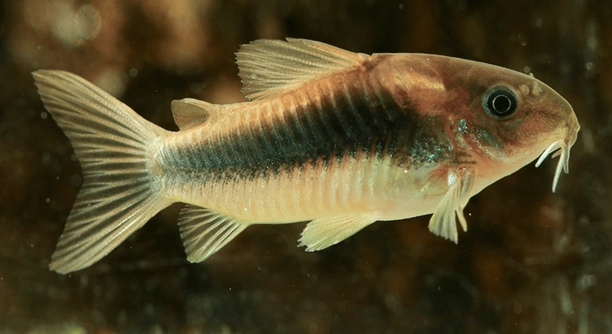
Corydoras catfish are known for their playful, active nature. However, you may notice that your fish has been acting more timid lately. Understanding the causes of this behavior can help ensure their health and well-being.
There are several factors that may contribute to your Corydoras catfish acting more timid. Stress from poor water conditions, sudden changes in their environment, or the presence of tank mates could lead to increased shyness. Proper care can alleviate these issues.
Addressing these factors will help you understand your Corydoras’ behavior and improve their comfort in the aquarium.
Water Quality Issues
Your Corydoras catfish may act more timid if the water quality in the tank is poor. These fish are sensitive to changes in water parameters, and even slight fluctuations can cause stress. Common issues like high ammonia levels, elevated nitrites, or an improper pH can disrupt their behavior. If the water becomes dirty or the filtration system is inadequate, Corydoras may hide more frequently or swim less actively.
Proper water testing and frequent maintenance are crucial in maintaining a healthy environment. Use a reliable test kit to measure ammonia, nitrite, nitrate, and pH levels. Consistent water changes can also help keep the tank clean. A water filter that provides proper filtration without causing strong currents will also support your Corydoras’ health.
Maintaining clean and stable water is key to preventing timid behavior. Regular checks will ensure your catfish remain healthy, active, and comfortable in their tank.
Tank Setup and Hiding Spots
A poorly arranged tank can lead to stress for your fish. Lack of hiding spots or overcrowding can cause Corydoras to feel exposed and nervous. Ensure your aquarium includes caves, plants, or rocks where they can retreat when they need rest.
Creating a tank environment with plenty of hiding places can give Corydoras a sense of security. These fish prefer areas where they can retreat from other tankmates or potential threats. Avoid overcrowding the tank as well, as too many fish in a small space can cause competition for space, increasing stress levels.
Providing adequate hiding spots will improve your fish’s comfort and reduce their tendency to shy away. This will promote a more active and relaxed environment for them.
Tank Mates
If your Corydoras catfish is acting timid, it could be due to aggressive tank mates. These fish are peaceful by nature and can easily become stressed if placed with more dominant species. Fish like cichlids, larger or territorial species, may intimidate them.
It’s important to choose tank mates that complement the peaceful nature of Corydoras catfish. Other peaceful bottom-dwellers, small tetras, or guppies make good companions. Avoid mixing them with species that tend to chase or nip at other fish. If your Corydoras feels threatened, it may retreat and become shy or less active.
By choosing the right tank mates, you ensure a calm environment for your Corydoras. This reduces stress and encourages natural, active behavior. Monitoring interactions within your tank is essential for preventing timid behavior.
Temperature Fluctuations
Temperature changes can have a direct effect on your Corydoras’ behavior. Corydoras prefer stable, warm temperatures, typically between 72°F and 78°F (22°C to 26°C). Sudden drops or increases in temperature can cause stress, leading to timid behavior.
To prevent temperature fluctuations, use a reliable aquarium heater that maintains consistent warmth. Avoid placing the tank in drafty areas or near windows where it could be exposed to temperature changes. Regularly check the water temperature with a thermometer to ensure it stays within the ideal range.
Keeping the tank temperature stable is vital for maintaining your Corydoras’ health. Stress from temperature changes can make them retreat or hide more often. Proper heating helps them stay active and less likely to act timid.
Overfeeding
Overfeeding can lead to poor water quality and stress for your Corydoras catfish. Excess food in the tank decomposes, affecting the water parameters, and leading to a stressed environment. This can make your fish act more timid or less active.
Make sure to feed your Corydoras in small, controlled amounts that they can finish within a few minutes. Remove any uneaten food promptly to avoid contamination. A proper feeding schedule helps prevent overfeeding and keeps the tank clean. Maintaining balance in the aquarium will reduce stress and encourage more active behavior.
Water Movement
Corydoras catfish are bottom dwellers that prefer calm water. Strong water currents can make them feel unsettled, causing them to retreat and act more timid. They thrive in low to moderate water flow.
To keep your Corydoras comfortable, adjust your filter to provide gentle water movement. Avoid powerful water pumps or strong air stones, as these can create turbulent conditions. Ensuring a calm environment helps reduce stress and promotes natural behavior in your catfish. They are more likely to stay active and visible if the water is peaceful.
Lighting
Lighting also plays a role in your Corydoras catfish’s comfort. Bright or harsh lighting can cause stress, making your fish hide more often. These fish prefer subdued lighting that mimics their natural habitat.
Use low-intensity aquarium lights and create shaded areas in the tank where they can retreat if needed. Dim lighting helps to reduce stress and promotes a more relaxed environment. Corydoras will feel less exposed and more confident in a well-lit yet calm setting.
FAQ
Why is my Corydoras catfish hiding all the time?
Corydoras catfish are naturally shy and tend to seek hiding spots, especially when they feel stressed. Poor water quality, aggressive tank mates, or a lack of hiding spots in the tank can cause them to stay hidden more often. These fish are bottom-dwellers that prefer dim lighting and calm surroundings. If they are hiding constantly, it may be an indication that they are feeling insecure or uncomfortable in their environment. Ensure that the tank is properly set up with places for them to retreat and check the water parameters for any signs of poor conditions.
How can I make my Corydoras catfish feel more comfortable?
To make your Corydoras feel more comfortable, maintain stable water conditions with proper filtration and frequent water changes. Ensure that the tank includes hiding places such as plants, caves, and rocks where they can retreat. Avoid sudden changes in water temperature or environment, and make sure that the tank mates are peaceful. Corydoras thrive in calm, stable conditions and will be less timid when they feel secure in their surroundings.
Are Corydoras catfish territorial?
Corydoras catfish are not territorial by nature. They are peaceful fish that enjoy being in groups. However, if the tank is too small or overcrowded, they may become stressed, and in rare cases, slight territorial behaviors might emerge, especially if they feel threatened by other fish. Providing plenty of space, hiding spots, and appropriate tank mates will ensure that your Corydoras remain calm and social.
What temperature do Corydoras catfish prefer?
Corydoras catfish prefer a water temperature between 72°F and 78°F (22°C to 26°C). Temperature fluctuations outside this range can cause stress, leading to timid behavior. Using a reliable aquarium heater and a thermometer will help maintain a stable temperature, ensuring that your Corydoras catfish stay comfortable and active.
Can Corydoras catfish live with other fish?
Yes, Corydoras catfish can live peacefully with other fish, especially with peaceful, non-territorial species. They are bottom-dwellers and will not compete for the same space as other fish. Ideal tank mates include small, non-aggressive species like tetras, guppies, or other peaceful bottom-dwellers. Avoid housing them with aggressive or territorial fish, as this may cause stress and timid behavior.
How often should I feed my Corydoras catfish?
Corydoras catfish should be fed small amounts of food once or twice a day. Overfeeding can lead to poor water quality and stress. Only offer as much food as your fish can eat in 2-3 minutes. Uneaten food should be removed promptly to prevent it from decomposing and affecting the water. A balanced diet that includes sinking pellets, live or frozen foods, and occasional treats will keep your Corydoras healthy and active.
Why is my Corydoras catfish not eating?
If your Corydoras catfish is not eating, it could be due to stress, poor water quality, or an inappropriate food type. Check the water parameters and ensure that the tank is stable. Also, consider the type of food you are offering. Corydoras are bottom-feeders and may prefer sinking pellets or live foods. If the fish is new to the tank, it might take some time to adjust. If the issue persists, a visit to the vet may be necessary to rule out health issues.
Can Corydoras catfish be kept alone?
Corydoras catfish are social fish and prefer to live in groups of at least three or more. Keeping them alone can cause stress and timid behavior. A group of Corydoras will help them feel more secure, as they naturally form schools in the wild. Having tank mates of their own kind promotes social behavior and reduces shyness.
What is the best tank size for Corydoras catfish?
The minimum tank size for a group of Corydoras catfish is 20 gallons. Larger tanks provide more space for them to explore and feel secure. Smaller tanks can lead to overcrowding and poor water quality, which can cause stress. A well-maintained tank with enough space and hiding spots will ensure that your Corydoras stay active and less timid.
How can I tell if my Corydoras catfish is stressed?
Signs of stress in Corydoras catfish include hiding more than usual, reduced activity, loss of appetite, or rapid breathing. Poor water quality, unsuitable tank mates, or sudden changes in the environment can trigger these behaviors. If you notice any of these signs, it’s essential to check the water parameters and ensure that the tank setup is ideal for their needs. Reducing stress will help your Corydoras catfish become more active and confident.
Are Corydoras catfish sensitive to water changes?
Yes, Corydoras catfish can be sensitive to sudden water changes. Rapid shifts in pH, temperature, or ammonia levels can stress them out. When performing water changes, it’s important to make gradual adjustments to avoid shocking the fish. Ensure that the replacement water matches the tank’s temperature and pH levels to maintain a stable environment.
What is the lifespan of a Corydoras catfish?
Corydoras catfish typically live between 5 and 10 years, depending on their care and environment. With proper water quality, feeding, and tank maintenance, these fish can live longer. Maintaining a healthy tank and addressing any issues promptly will ensure that your Corydoras live a full, active life.
Can Corydoras catfish tolerate salt in the water?
Corydoras catfish do not tolerate salt well. They are freshwater fish and should be kept in environments free of added salt. Salt can cause irritation to their skin and gills, leading to stress or even death. Ensure that the water in the tank is salt-free to keep your Corydoras healthy.
Do Corydoras catfish require a filter?
Yes, Corydoras catfish require a filter to maintain good water quality. They produce waste like all fish, and a filter helps keep the tank clean by removing debris and harmful chemicals. A properly maintained filter also helps maintain stable water parameters, reducing the risk of stress and timid behavior.
How do I know if my Corydoras catfish is sick?
Signs that your Corydoras catfish may be sick include changes in behavior (such as lethargy or hiding), loss of appetite, abnormal swimming patterns, or physical changes like spots or lesions. If you notice these symptoms, check the water quality and consider isolating the sick fish to prevent the spread of disease. A vet or aquarium expert can help diagnose and treat any health issues.
Final Thoughts
Corydoras catfish are peaceful, social creatures that thrive in calm, well-maintained environments. When they act more timid or hide often, it’s usually a sign that something in their tank or routine needs attention. Stress from poor water quality, overfeeding, or inappropriate tank mates can all lead to changes in behavior. Paying attention to these factors and making adjustments can improve the overall well-being of your fish.
Proper tank care is essential for Corydoras catfish. Consistent water changes, the right water temperature, and stable water parameters help reduce stress and encourage more active behavior. Keeping the tank environment calm with appropriate lighting and water movement is also important. These fish are bottom-dwellers and prefer places to hide when feeling insecure, so providing them with sufficient hiding spots is crucial. With proper care, Corydoras catfish can thrive and remain social, reducing their timid behavior.
If your Corydoras is acting more timid than usual, take a closer look at their environment and make necessary changes. A calm, peaceful tank with stable water conditions and appropriate tank mates will ensure that your catfish stay healthy and happy. Remember that every fish is different, and it may take time for them to adjust to changes in their environment. Patience and attention to their needs will lead to a healthier, more active Corydoras catfish.

Hello,
If you enjoy the content that we create, please consider saying a "Thank You!" by leaving a tip.
Every little bit helps us continue crafting quality advice that supports the health, happiness, and well-being of pets around the world, for pets of all shapes, sizes, and species.
We really appreciate the kindness and support that you show us!