
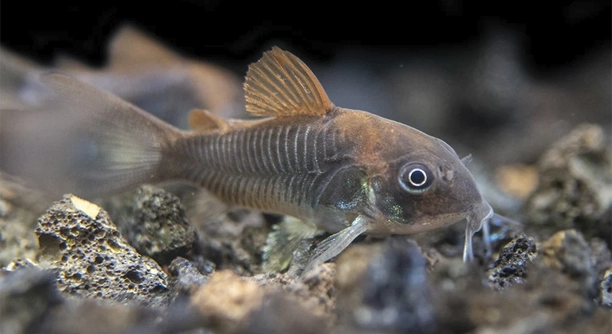
Corydoras catfish are popular aquarium pets, known for their peaceful nature and charming behavior. Despite their popularity, there are several myths about these fish that often mislead new hobbyists. Let’s clear up some of the confusion.
Corydoras catfish are often misunderstood in the aquarium world. Many people believe they have special needs or require specific care when, in reality, they are hardy and adaptable to most aquarium environments.
By addressing these myths, you’ll better understand how to care for these delightful fish. Continue reading to learn the truth behind some of the most common misconceptions about Corydoras catfish.
Corydoras Catfish Need Special Water Conditions
Corydoras catfish are often thought to need very specific water conditions, but that’s not true. While they do prefer slightly acidic to neutral water with a temperature range of 72-78°F, they are quite adaptable. Corydoras can live in a variety of water types, including slightly hard water. Their ability to thrive in different conditions is one reason they are so popular in aquariums. As long as the water is clean and well-maintained, they can adjust without issue. The key to keeping them healthy is regular water changes and filtration.
Water temperature and pH levels are the most important factors to monitor, but even minor fluctuations won’t stress these fish as much as some other species. Corydoras are naturally resilient and have been successfully kept in a wide range of tank setups. They also do well in community tanks, as long as the other fish are peaceful.
If you make sure to provide clean, well-filtered water, your Corydoras will do just fine. Understanding their basic needs will help prevent problems down the line.
Corydoras Should Be Kept Alone
Another myth is that Corydoras should be kept alone. This isn’t true at all. Corydoras catfish are social fish that thrive in groups. Keeping them in a school of at least three or more will help reduce stress and make them more active.
Corydoras feel safest in groups because they naturally live in schools in the wild. When kept alone, they can become shy, less active, and more prone to stress. This stress can negatively affect their health, leading to a weakened immune system or even illness. Additionally, they often display more interesting behavior when kept with others of their kind.
Having a small group of Corydoras also encourages natural interactions, such as playing and foraging together. It’s also fun to watch them interact with each other. Keeping a few Corydoras can create a much livelier tank, improving the experience for both you and your fish.
Corydoras Are Bottom Feeders Only
Many people think Corydoras catfish only feed from the bottom, but they are actually opportunistic feeders. While they do enjoy searching the substrate for food, they will also swim through the water to find food.
In the wild, Corydoras feed on small invertebrates, plants, and detritus they find on the substrate. However, they are not limited to bottom feeding. Corydoras are often seen swimming up to the middle levels of the tank to find food. They are quick to learn where food is being dropped, so feeding them in different parts of the tank can stimulate natural foraging behavior.
By offering food at various levels, you encourage a more active and healthier Corydoras catfish. They will actively search the tank for food and will enjoy a more varied diet, which is essential for their well-being.
Corydoras Are Fragile Fish
Some believe Corydoras are fragile and need constant care, but they are quite hardy when kept in proper conditions. As long as the water quality is maintained, they will generally stay healthy with minimal intervention.
Corydoras are known for their ability to tolerate a wide range of water conditions. They are more resilient than many other aquarium fish, especially when it comes to fluctuating temperatures and water chemistry. As long as you maintain clean water, provide proper filtration, and avoid aggressive tankmates, they will thrive in your aquarium. While they may not be as hardy as goldfish, they are far more robust than many other tropical species.
Corydoras are also quite forgiving if you make a mistake, as long as the problem is addressed quickly. Their adaptability makes them perfect for beginner hobbyists or those who want low-maintenance fish. Regular tank maintenance and monitoring water conditions will ensure their health for years to come.
Corydoras Don’t Need a Filter
Some believe Corydoras don’t need a filter due to their hardiness. However, a filter is crucial for maintaining water quality, which is essential for their health. Even though they are adaptable, they still need clean water to thrive.
Without proper filtration, waste, uneaten food, and toxins will quickly build up in the tank. This can lead to poor water conditions, stressing the fish and making them more vulnerable to disease. A good filter helps remove debris, provides proper oxygenation, and ensures the water stays clean. It’s a simple way to keep Corydoras happy and healthy.
A filter also helps maintain stable water parameters, which Corydoras need for long-term health. Without one, even a hardy fish can suffer over time.
Corydoras Are Only Compatible with Peaceful Fish
Corydoras are often thought to only coexist with peaceful fish, but they can be kept with a variety of tankmates. They can live alongside semi-aggressive species if they’re not overly territorial.
The key to successful tankmate pairing is ensuring that any fish in the tank doesn’t pose a threat to the Corydoras. While they are peaceful, they can hold their own against other species that are not too aggressive. Avoid fish that are known to nip fins or attack smaller fish, as this can cause stress and injuries. But as long as your tank has peaceful, non-territorial fish, Corydoras can thrive with others.
Choosing compatible fish is all about knowing the behavior of the species in your tank. A peaceful community setup with non-aggressive fish will ensure Corydoras are not stressed and will interact well with their tankmates.
Corydoras Can’t Live in Saltwater
Corydoras are often thought to be strictly freshwater fish. While they cannot live in saltwater, they can thrive in brackish water if necessary. They are more tolerant of slightly salty water than many assume.
In cases where salt is added to freshwater tanks for disease treatment or other purposes, Corydoras can usually tolerate the changes in salinity for short periods. However, prolonged exposure to saltwater conditions will harm them. It’s always best to keep them in freshwater, but a brief period in brackish water won’t hurt them as long as the salinity is low.
FAQ
Do Corydoras Catfish Need to Be Fed Special Food?
Corydoras are not picky eaters, but they do need a varied diet. They thrive on a mix of high-quality sinking pellets, frozen or live foods like bloodworms or brine shrimp, and occasionally some vegetable matter like blanched spinach. Providing a balanced diet ensures they stay healthy and active. While they will often search the substrate for food, they will also eat from the water’s surface if the food is available. Offering a range of foods will mimic their natural feeding habits and help maintain their health.
How Often Should I Feed My Corydoras?
Corydoras should be fed small amounts once or twice a day, depending on the amount of food they eat. Overfeeding can cause water quality issues, as uneaten food breaks down and creates toxins. It’s best to feed them only what they can consume in a few minutes, ensuring there is no leftover food in the tank. Keep an eye on their behavior; if they seem to be looking for food after their meal, it may be a sign you’re not feeding them enough. On the other hand, if food is left behind, you might be feeding them too much.
Can Corydoras Live in Cold Water?
Corydoras are tropical fish and do best in water temperatures between 72°F and 78°F. While they can tolerate brief drops in temperature, they will become stressed if the water stays too cold for extended periods. Cold water can weaken their immune system, making them more susceptible to diseases. It’s important to maintain a stable temperature using a heater, especially if you live in a cooler climate. Keep in mind that sudden temperature changes should also be avoided, as they can stress the fish and disrupt their health.
Are Corydoras Good Tankmates for Other Fish?
Corydoras are peaceful fish that generally do well in community tanks. They can live with a wide variety of species, as long as the other fish are not overly aggressive or territorial. Corydoras are best kept with other non-aggressive, peaceful fish. They should not be kept with species that may bully or nip at their fins, as this can cause stress or injury. Avoid keeping them with very large or aggressive fish, as they can outcompete Corydoras for food or harass them. For the best results, create a peaceful environment with compatible tankmates.
How Can I Tell If My Corydoras Are Happy and Healthy?
A healthy Corydoras will be active, swimming around the tank in a relaxed manner. They will often forage on the substrate or swim in small groups, interacting with their tankmates. Their colors should be bright and vivid, not dull or faded. If they are lethargic, swimming erratically, or hiding too much, it may be a sign that something is wrong. Check your water parameters, as poor water quality is one of the most common causes of stress in Corydoras. Also, make sure the tank is clean and that there are no aggressive fish stressing them out.
Can Corydoras Live with Shrimp?
Yes, Corydoras can live with shrimp in most cases. In fact, they often get along very well. Corydoras are bottom dwellers and won’t usually bother shrimp, especially larger varieties. However, they may accidentally disturb baby shrimp or smaller species while foraging for food, as Corydoras tend to dig around the substrate. It’s best to keep shrimp species that are larger and more robust, such as Amano or Cherry shrimp. Smaller, delicate shrimp might not be safe around Corydoras, especially if they’re newly added to the tank or are very young.
How Do I Properly Maintain the Water in My Corydoras Tank?
Maintaining clean water is essential for Corydoras health. Regular water changes are necessary to keep the environment free from waste and toxins. Aim for a 25% water change every week, or more often if needed. In addition to water changes, use a reliable filtration system to remove debris and keep the water oxygenated. Corydoras prefer well-filtered water, but make sure the current from the filter is not too strong, as they are not strong swimmers. You can use a sponge filter to provide gentle filtration if your tank has a delicate balance of fish.
Why Are My Corydoras Hiding So Much?
Corydoras may hide if they are stressed or uncomfortable. Common causes of stress include poor water quality, aggressive tankmates, or sudden changes in their environment. Make sure your water parameters are in the ideal range, and the tank is peaceful. If there are aggressive fish, try moving them or adding more hiding spots for the Corydoras. They also hide more when they’re not feeling well or when they’re adjusting to a new tank. Give them time to acclimate, and monitor their behavior. If hiding persists, check for signs of illness or infection.
What Size Tank Do Corydoras Need?
Corydoras catfish don’t require large tanks, but they do need space to swim and forage. A tank of at least 20 gallons is ideal for a small group of Corydoras. They are social fish and should be kept in groups, so the size of your tank should accommodate at least three or more fish. Larger tanks offer more swimming space and allow for more tankmates, but even in a smaller tank, Corydoras will thrive if the conditions are right. Ensure that your tank has a stable filtration system and that you maintain good water quality to keep them healthy.
Why Are My Corydoras Not Breeding?
If your Corydoras are not breeding, it could be due to several factors. Corydoras breeding often requires a combination of stable water conditions, good water quality, and a well-maintained environment. They typically breed after a temperature drop or a change in water conditions, which mimics the rainy season in the wild. Make sure your water parameters are ideal and that the fish are not stressed. Adding more Corydoras to form a larger group may help, as they feel safer in bigger schools. If breeding still doesn’t occur, ensure there are no disruptive tankmates, and that their diet is rich in nutrients to encourage reproductive behavior.
Final Thoughts
Corydoras catfish are hardy, peaceful, and enjoyable fish to keep in your aquarium. While there are many myths surrounding their care, the truth is that they are quite adaptable and do well in a variety of tank setups. With the right conditions, these catfish can live for many years, bringing both beauty and activity to your aquarium. Understanding their basic needs, such as water quality, temperature, and diet, will help you avoid common mistakes and ensure they thrive in your tank. They don’t require overly complicated care, but like all fish, they benefit from attention to detail.
One of the most important things to remember is that Corydoras are social creatures. They should always be kept in groups to reduce stress and encourage natural behaviors. A small school of three or more is ideal, and they will often interact with each other in fascinating ways. They are also compatible with many other peaceful fish, which makes them a great addition to community tanks. When they feel safe and comfortable, Corydoras are active and playful, offering a lot of entertainment for aquarium owners. Keeping them with other peaceful species ensures a harmonious tank environment where everyone can thrive.
In the end, Corydoras catfish are an excellent choice for both beginner and experienced fish keepers. Their simple care needs, combined with their charming nature, make them a popular aquarium choice. By debunking common myths and learning the facts about their care, you can provide a happy and healthy home for your Corydoras. Regular tank maintenance, proper feeding, and attention to water quality are key factors in ensuring they live a long and stress-free life. If you create the right environment, your Corydoras will reward you with years of joy.

Hello,
If you enjoy the content that we create, please consider saying a "Thank You!" by leaving a tip.
Every little bit helps us continue crafting quality advice that supports the health, happiness, and well-being of pets around the world, for pets of all shapes, sizes, and species.
We really appreciate the kindness and support that you show us!