
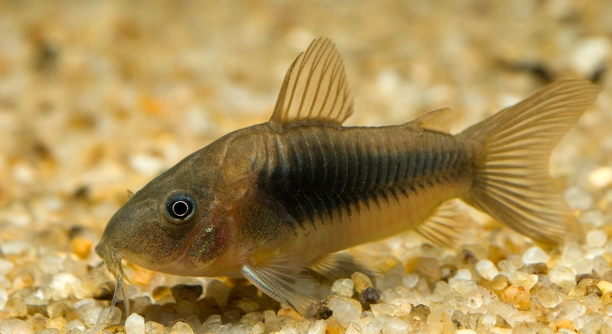
Corydoras catfish are popular aquarium fish known for their playful personalities and ease of care. As they age, however, you may notice some changes in their appearance and behavior. Recognizing these signs can help you provide better care.
Aging in Corydoras catfish is marked by changes in their physical condition, activity levels, and feeding habits. They may show signs like a faded color, slower movements, or difficulty competing for food. Monitoring these changes helps ensure proper care.
Understanding these signs of aging is essential for making adjustments in their care routine. With the right attention, you can help your Corydoras stay comfortable in their later years.
Understanding Aging Signs in Corydoras Catfish
As Corydoras catfish age, you may start to notice their once vibrant colors fading. This is often the first noticeable sign that your fish is getting older. You might also observe that they aren’t as active as before. Where they once darted around in the tank, they may now spend more time resting at the bottom. Their fins could appear less pristine, and their movements may slow down. These changes are completely normal as they grow older and are part of the natural aging process.
While these shifts might seem concerning, they’re typically nothing to worry about. Aging fish will naturally slow down, and their color fading could just be the result of aging pigment in their skin. Keep in mind that their behavior may become less energetic as they mature, which doesn’t necessarily mean they’re unhealthy.
You should also watch for changes in their eating habits. Older Corydoras may not compete as eagerly for food, and they might even seem less interested in eating. To help ensure they’re getting enough nutrition, try feeding them smaller portions more often. Additionally, ensure that their tank has enough hiding spots and plants to give them a comfortable space to rest.
Physical Changes to Expect in Aging Corydoras
Aging Corydoras often show physical signs, like changes in body shape and size. As they get older, their bodies may shrink a little, and they might even develop slight deformities.
These small physical changes don’t necessarily mean your Corydoras is unhealthy, but they can be indicators of aging. Over time, they might lose some of their youthful shape. However, it’s important to continue to monitor their condition to make sure they are still thriving. Proper care and maintaining a stress-free environment can help reduce further deterioration. Keep in mind that regular water changes and monitoring tank conditions can extend the life of your Corydoras. As they age, adjusting their diet to match their needs can make a significant difference in how they adapt to these changes.
Slower Movements and Less Activity
As Corydoras age, they tend to move slower. Their once lively swimming pattern may become more sluggish, especially when compared to younger, more active fish. This can be noticeable when they interact with tank mates or explore their environment. It’s a common sign of aging that doesn’t always indicate health problems.
Aging Corydoras may also spend more time resting at the bottom of the tank. They might prefer to stay near rocks or plants where they feel safe. This behavior is completely normal, but it’s essential to observe their tank environment to ensure they are still comfortable and stress-free. Keep their habitat clean and well-maintained, as a comfortable environment can improve their overall well-being. You can also add some extra hiding spots or decorations to help them feel secure.
Reduced Feeding and Less Interest in Food
An older Corydoras might show less enthusiasm for feeding. They may not rush to the food as quickly as they did when they were younger. This can be due to a slowed metabolism or simply a decrease in energy levels. They might also prefer smaller amounts of food spread throughout the day.
It’s essential to monitor their food intake carefully. Make sure to offer a variety of foods like sinking pellets, live or frozen food, and vegetables. However, don’t be surprised if they don’t eat as much or as quickly as they once did. This is a natural part of aging, but adjusting their diet can help keep them healthy. Consider offering food that’s easier to digest and avoid overfeeding to maintain water quality.
Faded Color and Loss of Vibrancy
As Corydoras age, their colors may start to fade. The bright patterns that once defined them could become more muted over time. This is a typical sign of aging and not necessarily an indication of illness. Their skin’s pigmentation naturally weakens as they get older.
This fading can also be affected by environmental factors like water quality or stress. If the water parameters aren’t ideal, it can accelerate the fading process. Regular water changes, monitoring pH, and maintaining the correct temperature can help slow down this natural change. However, the fading is usually not a cause for concern.
Reduced Lifespan
As Corydoras age, they may experience a decrease in their overall lifespan. Older fish are more vulnerable to illness and may not recover as quickly from injuries or stress. Even with proper care, their life expectancy can decrease as they show signs of aging.
It’s important to provide the best environment for older Corydoras to help extend their life. Ensure the tank is well-maintained, and consider offering gentle filtration to avoid any strong water currents. These small adjustments can make a difference in their quality of life as they age.
Decline in Social Behavior
Older Corydoras may also show a decline in social behavior. They might spend less time interacting with other fish and may prefer solitude. While they are generally social creatures, the aging process can make them more introverted.
This shift in behavior is common and often linked to their reduced energy levels. Providing a stress-free environment with plenty of hiding places can help older Corydoras feel comfortable and safe. Just keep an eye on their behavior to ensure they’re not showing signs of distress or illness.
FAQ
What are the main signs that my Corydoras catfish is aging?
As Corydoras age, you’ll notice changes in their behavior and appearance. The main signs include faded colors, slower movement, less interaction with tank mates, and a decrease in activity. They may also spend more time resting at the bottom of the tank. Additionally, their feeding habits might change, as they may eat less or be slower to respond to food.
How can I tell if my Corydoras catfish is unhealthy or just aging?
While aging is a natural process, there are some signs that might indicate your Corydoras is unhealthy. If they become lethargic, have visible lesions, or show signs of difficulty breathing, these could be signs of illness rather than just aging. If you notice these symptoms, it’s important to test the water quality and possibly consult a vet. Regular monitoring of your fish’s behavior is key to identifying potential health issues.
How long do Corydoras catfish live?
Corydoras catfish typically live anywhere from 5 to 10 years, depending on their care and environment. However, like all living creatures, their lifespan can vary. Proper tank maintenance, good water quality, and a balanced diet can help extend their life expectancy. It’s important to adjust care as they age to keep them comfortable and healthy.
Can I prevent my Corydoras from aging?
Aging is a natural process, and it can’t be prevented. However, you can slow down the effects by maintaining optimal tank conditions. Keep the water clean, ensure the correct temperature, and avoid overfeeding. Offering a varied and balanced diet will also help them age gracefully and maintain good health.
What should I feed my aging Corydoras catfish?
As Corydoras age, their metabolism slows down, so their dietary needs may change. Offer smaller meals more frequently to ensure they get enough nutrition without overfeeding. High-quality sinking pellets, live or frozen food (like bloodworms or brine shrimp), and blanched vegetables like zucchini or spinach are great options. Be mindful to monitor their eating habits to ensure they’re receiving adequate nutrition.
Are Corydoras catfish social as they age?
While Corydoras are generally social fish, older individuals may become less active and less social. They may prefer to spend more time resting or exploring the tank on their own. This is a normal part of aging and usually doesn’t mean they’re unwell. Just make sure to keep their tank environment stress-free to encourage comfort.
Do I need to adjust the tank setup for an aging Corydoras?
Yes, some adjustments may be needed as your Corydoras age. Older fish may prefer a calmer, more stable environment, so make sure the water flow isn’t too strong. Adding more hiding spots and plants can give them a sense of security. Also, check the water parameters regularly, as older fish are more sensitive to changes in water quality.
How do I know if my Corydoras catfish is in pain?
Pain in fish can be hard to detect, but some signs to watch for include erratic swimming, rubbing against tank objects, or signs of distress like rapid gill movement. If your Corydoras is not eating or appears lethargic for a prolonged period, this could be an indication of pain or illness. If you notice these symptoms, check the water quality and consider reaching out to a vet who specializes in fish.
Should I worry if my Corydoras catfish isn’t eating as much?
A decrease in appetite can be normal for aging Corydoras, but it’s important to monitor this closely. If they are eating very little or seem uninterested in food for an extended period, it could be a sign of illness or stress. In this case, check water parameters and look for any other signs of health issues. If the problem persists, a vet consultation might be necessary.
Can an aging Corydoras catfish live with other species?
Yes, even as they age, Corydoras can live peacefully with other species. However, they might become less active and prefer to keep to themselves. Ensure the tank mates are not overly aggressive or competitive for food. Corydoras are peaceful bottom dwellers and will do best in a calm, stress-free environment.
What temperature is best for an aging Corydoras catfish?
Corydoras prefer water temperatures between 72°F and 78°F (22°C to 26°C). This temperature range supports their natural activity and metabolism. As they age, it’s important to maintain a stable temperature, as fluctuations can stress them out. Use a reliable heater to keep the water at a constant, appropriate temperature.
Should I change my Corydoras’ tank water more frequently as they age?
Older Corydoras may benefit from more frequent water changes, especially if their eating habits have slowed and uneaten food is left in the tank. Regular water changes help maintain water quality, which is crucial for aging fish. However, avoid making large changes in water chemistry, as older fish are more sensitive to sudden shifts.
Can aging Corydoras catfish still breed?
As Corydoras age, their ability to breed may decline. Older females may produce fewer eggs, and males might be less active in courtship. While breeding may not be as successful in older fish, it’s still possible in some cases. However, it’s important to focus on their comfort and health as they age.
Final Thoughts
As Corydoras catfish age, they go through various physical and behavioral changes. These signs of aging, such as slower movements, faded colors, and reduced activity, are completely normal. However, it’s important to be aware of these changes so that you can adjust their care accordingly. Even though their appearance and behavior might change, providing them with a stable and stress-free environment is key to helping them live their later years comfortably. By making small adjustments, like offering smaller meals or more hiding spots, you can ensure they continue to thrive.
Monitoring their health as they age is crucial. While many changes are simply part of the natural aging process, it’s important to look out for signs of illness or stress. Aging Corydoras may not respond as quickly to food or interact as much with their tank mates, but this doesn’t necessarily indicate a health problem. However, if you notice things like erratic swimming, difficulty breathing, or a lack of interest in food for an extended period, these could be signs that something is wrong. Regularly checking water quality and ensuring your fish’s habitat is well-maintained can help catch any potential issues early on.
Taking care of aging Corydoras doesn’t have to be difficult, but it does require a bit of extra attention. Their needs may change over time, and by staying observant and adjusting their environment, you can help ensure their well-being. With a proper diet, comfortable surroundings, and consistent care, your Corydoras catfish can continue to live a happy, healthy life as they age. Understanding these changes and acting early will help you provide them with the best care possible, so they can enjoy their golden years in peace.

Hello,
If you enjoy the content that we create, please consider saying a "Thank You!" by leaving a tip.
Every little bit helps us continue crafting quality advice that supports the health, happiness, and well-being of pets around the world, for pets of all shapes, sizes, and species.
We really appreciate the kindness and support that you show us!