
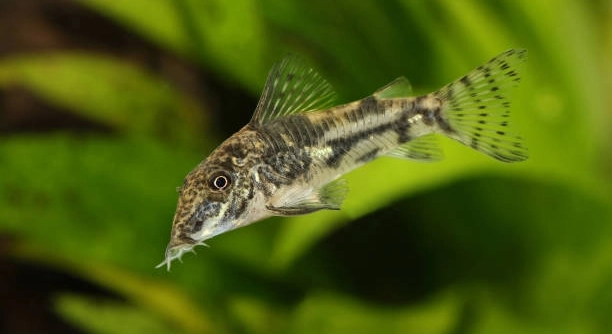
Corydoras catfish are known for being active and curious, often exploring every nook and cranny of their tank. However, it can be puzzling when your catfish isn’t as adventurous as expected. Understanding the reasons behind this behavior is essential for creating a healthy environment.
The main reasons your Corydoras catfish may not be exploring the tank include poor water conditions, insufficient hiding spots, stress, a lack of food variety, or being kept with overly aggressive tankmates. These factors can cause your fish to feel unsafe or uncomfortable.
Once you address these key factors, your catfish should feel more confident in exploring its surroundings. Understanding what might be hindering its curiosity can help ensure your fish enjoys a more active and happy life in your tank.
Poor Water Conditions
Water quality is one of the most important factors that influence your Corydoras’ behavior. If the water is too warm, too cold, or has poor filtration, your fish may not feel comfortable enough to explore. These fish are sensitive to changes in their environment, especially when it comes to water parameters like pH, ammonia, nitrites, and nitrates. High levels of toxins or improper water temperature can make them stay hidden and inactive.
Water changes should be done regularly to keep the tank clean, and using a reliable water testing kit helps you monitor key parameters. Corydoras thrive in stable water conditions, which means maintaining consistency in your tank’s environment will encourage more natural behaviors. Keeping the water clean and within their preferred range will help your catfish feel safe and explore more freely.
Make sure to check the water temperature and filtration regularly to avoid any changes that could stress your catfish. Proper water care creates the right conditions for them to show their true behavior.
Lack of Hiding Spots
Corydoras catfish are shy creatures, and they often seek out hiding places. Without these spots, they may feel exposed and stay hidden, avoiding exploration.
To encourage your catfish to explore, consider adding plants, rocks, or caves to the tank. These elements will give them safe areas to retreat when needed and motivate them to venture out more. Providing hiding spots helps reduce stress and gives your catfish the sense of security they need to explore.
Stress from Tankmates
Aggressive or overly active tankmates can cause stress for your Corydoras catfish, making them hesitant to explore. They might feel threatened and avoid moving around the tank. It’s important to choose tankmates carefully, ensuring they are peaceful and compatible with your Corydoras.
Fish like larger cichlids or overly curious species can be intimidating, even if they’re not actively aggressive. Corydoras are bottom dwellers, and if they feel crowded or harassed, they’ll stay hidden more often. It’s best to house them with calm, non-aggressive species that won’t disturb their peace.
By adding peaceful tankmates and observing their behavior, you can ensure that your Corydoras feel comfortable enough to explore. If you notice bullying or overly aggressive behavior, it’s a good idea to separate the aggressive fish or rearrange the tank to reduce stress.
Inadequate Food Variety
If your Corydoras aren’t getting enough variety in their diet, they might not be as active or curious about their surroundings. Corydoras are scavengers, often foraging for food in the substrate. Without a varied diet, they might lack the energy needed for exploration.
Providing a balanced diet that includes sinking pellets, live foods, and occasional treats will help keep your Corydoras healthy and more active. When they’re well-fed and energized, they are more likely to engage with their environment and explore the tank more. A lack of stimulation can lead to a lack of interest in moving around.
Rotating food types and offering both plant-based and protein-rich options will encourage your Corydoras to remain active. They are naturally curious and will seek out food, which can help keep them moving and engaged in their tank.
Overcrowding in the Tank
Overcrowding can make your Corydoras feel cramped and stressed, leading to them staying hidden. Too many fish in a small space can reduce their comfort level and limit their ability to explore.
It’s crucial to maintain a proper balance between the number of fish and tank size. Overcrowding leads to poor water quality, aggression, and stress, all of which discourage exploration. Ensure your tank has enough space for each fish to feel comfortable.
Lack of Tank Structure
A tank with minimal structure can leave your Corydoras with nowhere to explore. Without plants, rocks, or decorations, they may feel exposed and shy.
Adding decorations such as driftwood, rocks, and plants will provide hiding spots and stimulation. These elements allow Corydoras to feel safe and encourage them to venture out and explore more of the tank.
Improper Tank Lighting
Corydoras catfish prefer dim lighting, which mimics their natural environment. If the lighting in your tank is too bright, they may feel stressed and reluctant to explore.
By adjusting the lighting to a softer, more natural setting, you can create a more comfortable environment. This will help your catfish feel secure enough to explore their surroundings.
FAQ
Why isn’t my Corydoras exploring the tank?
Corydoras catfish are naturally curious creatures, but several factors can cause them to avoid exploring. Poor water conditions, insufficient hiding spots, stress from aggressive tankmates, and lack of stimulation from food can all contribute. It’s important to check the water parameters, add appropriate hiding spots, and choose tankmates carefully to ensure your catfish feel comfortable and safe.
How can I reduce stress for my Corydoras?
Stress can significantly affect your Corydoras’ behavior. To reduce stress, make sure they have peaceful tankmates, a stable environment, and enough hiding places. Avoid overcrowding, maintain proper water quality, and adjust the lighting to be softer. A calm environment will encourage your catfish to explore more freely.
What water conditions are ideal for Corydoras?
Corydoras thrive in slightly acidic to neutral water, with a pH between 6.0 and 7.5. The temperature should be between 72°F and 78°F (22°C to 26°C), and the water should be well-filtered with low levels of ammonia, nitrites, and nitrates. Consistency in water quality is key to keeping your catfish healthy and active.
How often should I change the water in my Corydoras tank?
Water changes should be done regularly, typically every week or two, to maintain good water quality. A 20-30% water change is usually recommended, but it depends on tank size and stocking levels. Be sure to test the water regularly to monitor for any issues like high nitrate levels or ammonia buildup.
Can Corydoras be kept with other fish?
Yes, Corydoras can be kept with other peaceful fish, particularly bottom-dwellers that do not compete for the same space or resources. Avoid keeping them with aggressive or fin-nipping species. Good tankmates for Corydoras include tetras, guppies, and peaceful barbs, which won’t intimidate them.
What type of food should I feed my Corydoras?
Corydoras are scavengers and need a varied diet. Offer high-quality sinking pellets, algae wafers, and occasionally live or frozen food like bloodworms or brine shrimp. You can also add some vegetables, like blanched zucchini or spinach, to provide a balanced, healthy diet. Ensuring they get different types of food will keep them active and engaged.
Can Corydoras live alone?
Corydoras are social fish that thrive in groups. They feel more secure and are more likely to explore the tank when they have companions. It’s recommended to keep at least three to six Corydoras together, as they tend to feel more confident and comfortable in groups.
What tank size do Corydoras need?
Corydoras need enough space to move around, so a tank size of at least 20 gallons is recommended for a small group. Larger tanks are even better, especially if you plan to keep multiple fish or other species. Adequate space allows for a more natural environment and reduces stress.
Can lighting affect Corydoras behavior?
Yes, Corydoras prefer dim lighting similar to their natural habitat. Bright lights can make them feel exposed, causing them to hide more. If your tank has bright lighting, consider dimming it or using natural, softer light. You can also add floating plants to help create shaded areas for them to feel secure.
How do I encourage my Corydoras to forage and explore?
Encouraging your Corydoras to forage requires a combination of providing hiding spots, offering a varied diet, and creating a stimulating environment. Add some plants and decorations that mimic their natural habitat, and try using food that sinks to the substrate to entice them to explore the tank’s bottom.
Are Corydoras sensitive to water changes?
Yes, Corydoras can be sensitive to sudden changes in water parameters. Rapid shifts in pH, temperature, or salinity can cause stress or even harm. When performing water changes, do so gradually and ensure the new water matches the tank’s temperature and pH as closely as possible. This helps prevent any shock to the fish.
Why are my Corydoras staying at the bottom of the tank?
Corydoras are bottom-dwelling fish by nature, so staying near the bottom is normal behavior. However, if they are staying in one spot and not moving around at all, it could indicate stress, poor water quality, or health issues. Regular water testing, a balanced diet, and ensuring they have hiding spots can help encourage them to be more active.
Final Thoughts
Understanding why your Corydoras catfish may not be exploring the tank is important for ensuring their health and happiness. These fish are naturally curious and active, but several factors can influence their behavior. Poor water conditions, stress from tankmates, and a lack of food variety or hiding spots can cause them to stay hidden and avoid moving around. By addressing these issues, you can create an environment that encourages your Corydoras to feel safe and more willing to explore. Regular water changes, proper tank maintenance, and keeping them with peaceful tankmates will help create the ideal setting for your fish to thrive.
It’s also essential to consider the overall environment in the tank. Corydoras feel most comfortable in tanks that resemble their natural habitat. Adding plants, rocks, or caves can make them feel secure and allow them to engage in their natural behaviors, like foraging and exploring. Additionally, adjusting the lighting to be softer and dimmer can reduce stress and help your catfish feel more at ease. The key is to maintain a peaceful, stable environment that allows your Corydoras to feel safe while encouraging them to be more active.
By making these small adjustments, you’ll notice a positive change in your Corydoras’ behavior. A well-maintained tank with suitable tankmates and conditions can encourage your catfish to become more exploratory. Remember, these fish are social and enjoy interacting with their environment. If they aren’t exploring, it’s usually a sign that something isn’t quite right. With a little attention and care, you can help them feel comfortable and confident in their surroundings, making them a more active and interesting addition to your aquarium.

Hello,
If you enjoy the content that we create, please consider saying a "Thank You!" by leaving a tip.
Every little bit helps us continue crafting quality advice that supports the health, happiness, and well-being of pets around the world, for pets of all shapes, sizes, and species.
We really appreciate the kindness and support that you show us!