
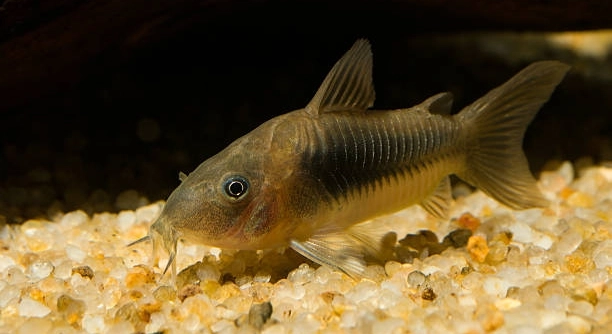
Corydoras catfish are popular aquarium pets, loved for their gentle nature and playful movements. However, like all fish, they can face health issues, especially with breathing. Identifying signs of distress early can make a big difference.
If your Corydoras catfish is struggling to breathe, it may exhibit behaviors like rapid gill movement, gasping at the surface, or staying inactive. Water quality, temperature changes, or illness often cause these issues, requiring swift intervention.
Knowing what to watch for in your catfish can help you act quickly. Understanding common signs of breathing problems is crucial for ensuring their well-being in your tank.
Rapid Gill Movement
One of the first signs that your Corydoras catfish is struggling to breathe is rapid gill movement. Normally, these fish will breathe steadily with slight movements of their gills, but if the gill flaps are moving much faster than usual, it’s a clear indication that they’re having trouble getting enough oxygen. This could be caused by poor water quality, such as high ammonia or nitrite levels, or low oxygen levels in the tank.
If you notice rapid gill movement, it’s essential to check your aquarium’s water parameters right away. Poor water quality is often the main issue when fish have trouble breathing.
To fix the issue, immediately test the water for ammonia, nitrites, and pH levels. If they’re out of balance, perform a water change to restore proper conditions. You can also consider adding a more powerful filter or aeration system to increase oxygen levels. Keep an eye on the fish, and if their breathing doesn’t improve, consider a trip to the vet.
Gasps at the Surface
Another red flag is when your Corydoras catfish is consistently gasping at the surface. Healthy Corydoras usually prefer staying on the bottom of the tank, but if they struggle to breathe, they may swim to the top to gulp air.
If this behavior becomes frequent, it’s a sign that the oxygen levels in the tank might not be sufficient. Improving water circulation or adding an air pump can help.
Staying Still for Too Long
If your Corydoras catfish stays in one spot for long periods without moving, it may be a sign of breathing trouble. Healthy fish are typically active, constantly exploring the bottom of the tank. Staying still could indicate they are conserving energy due to oxygen deprivation.
This lack of movement is often associated with stress from poor water conditions or disease. When oxygen is scarce, fish will reduce activity to avoid exhausting themselves. It’s essential to evaluate the water temperature and ensure that it’s within the appropriate range for your Corydoras.
Make sure the tank is well-aerated and the filtration system is working properly. Regular water changes help maintain a stable environment. If the inactivity persists, consider checking for any visible signs of illness or injury. If no improvement occurs, consult with an aquarium specialist.
Clamped Fins
Clamped fins are another sign that your Corydoras may be struggling to breathe. When fish feel stressed, their fins will often stay close to their bodies instead of spreading out. This is a natural response when they are in discomfort or under distress.
In Corydoras, clamped fins are often seen when they are having difficulty breathing, and it’s commonly accompanied by other symptoms like rapid gill movement or gasping. If your fish’s fins are not fully extended, it’s time to examine the water quality in the tank. The problem could stem from oxygen levels being too low.
You can fix this by increasing the water movement with an air stone or improving water filtration. Ensuring your Corydoras has an optimal environment, with proper temperature and pH levels, will help them feel more comfortable. Monitoring their behavior and addressing the water conditions is key to solving the problem.
Pale or Discolored Gills
If you notice that your Corydoras catfish’s gills appear pale or discolored, it could be a sign that they are not getting enough oxygen. Normally, their gills should be a healthy red or pink. If they appear dull or grayish, this is concerning.
The discoloration may happen when the fish’s oxygen levels are low or when there is an underlying illness. Poor water conditions, like high ammonia or nitrite levels, can contribute to these issues. It’s important to test the water and address any problems with the filtration system or aeration to restore oxygen levels.
Keeping the tank clean and maintaining proper water parameters will help prevent further problems. If the color of the gills doesn’t improve after adjustments, it’s worth consulting with a vet to rule out any disease.
Excessive Scraping Against Objects
Corydoras catfish will sometimes scrape their bodies against rocks or decorations in the tank. While occasional rubbing isn’t unusual, excessive scraping may signal that they are stressed or unwell, often due to breathing difficulties.
This behavior can result from gill irritation, parasites, or poor water quality. The scraping might help them relieve discomfort, but it also puts them at risk of injury. Make sure to inspect your tank for sharp objects or decorations that could be causing harm.
If this behavior continues, test your water conditions and look for signs of illness or parasites. Adjust the environment and treat for potential diseases to prevent further stress and injury.
Restlessness or Frantic Swimming
When Corydoras catfish are struggling to breathe, they may exhibit signs of restlessness, such as swimming rapidly or erratically around the tank. This frantic movement often happens when fish are in search of oxygen or trying to escape unfavorable water conditions.
These sudden bursts of activity are an attempt to find better water quality or a spot with higher oxygen levels. If your catfish begins to swim frantically, check the filtration system to ensure it’s working properly. A lack of proper filtration can cause oxygen depletion in the tank, leaving your fish searching for better conditions.
Adding more aeration or improving water movement can help solve this issue. If their behavior persists, further investigate the water quality and temperature to rule out any underlying problems.
FAQ
How can I improve the oxygen levels in my aquarium?
To improve oxygen levels in your aquarium, you can start by adding an air pump or air stone. These devices increase surface agitation, which allows more oxygen to dissolve into the water. You can also upgrade your filter to one that provides better water circulation. Keeping the water surface moving and avoiding overcrowding in your tank will also help increase oxygen levels naturally. Regular water changes will maintain good water quality, reducing toxins that can deplete oxygen.
What should I do if my Corydoras catfish keeps gasping at the surface?
If your Corydoras is gasping at the surface, it’s likely due to low oxygen levels in the tank. Start by checking the water parameters, especially ammonia, nitrites, and oxygen levels. If the water quality is poor, perform a water change to restore proper conditions. Consider adding a stronger filter or air pump to increase oxygen circulation. Additionally, ensure the temperature of the water is within the ideal range for Corydoras, as extreme heat can lower oxygen levels and cause stress.
Can low water temperature affect my Corydoras catfish’s breathing?
Yes, low water temperatures can reduce the amount of dissolved oxygen in your tank. Corydoras catfish are most comfortable in water temperatures between 72-78°F (22-25°C). If the water is too cold, their metabolism slows down, which can result in slower gill movement and difficulty breathing. Ensure the water temperature is within the recommended range and use a heater if necessary to maintain stable conditions. Cold water can also stress your fish, making them more vulnerable to other health issues.
What are some signs that my Corydoras is sick?
If your Corydoras shows signs like clamped fins, pale gills, or erratic swimming, they could be sick or stressed. Other symptoms may include loss of appetite, abnormal swimming patterns, or visible lesions on their body. It’s important to check the water quality regularly and rule out poor water conditions. If the fish continues to display unusual behavior, it may be dealing with a bacterial or parasitic infection, and you should consider isolating it and seeking treatment.
Why is my Corydoras catfish staying still at the bottom of the tank?
Corydoras catfish typically stay at the bottom of the tank and are not as active as other species. However, if your fish is staying completely still for extended periods, it could be a sign of stress or illness. A lack of oxygen in the water can cause them to conserve energy, resulting in stillness. Another cause could be poor water quality, so be sure to check the parameters and perform a water change if necessary. If the behavior doesn’t improve after adjusting the environment, it might be worth consulting a vet.
What is the best way to test my aquarium’s water quality?
Testing your aquarium’s water quality is simple and crucial for maintaining a healthy environment. Use an aquarium water test kit, which typically measures parameters like pH, ammonia, nitrites, and nitrates. You can find these kits at most pet stores or online. For a more convenient solution, you can also use test strips. Test your water at least once a week to ensure everything is in balance. If any of the parameters are off, take immediate action to correct them, whether through water changes or adding water treatments.
How often should I clean my aquarium if my Corydoras are struggling to breathe?
Cleaning your aquarium regularly is key to maintaining healthy water quality. When your Corydoras are struggling to breathe, it’s essential to clean the tank and remove any excess waste or debris. Perform partial water changes every week, especially if your fish is showing signs of distress. Clean the substrate, rocks, and decorations to reduce the buildup of toxins. However, avoid over-cleaning or disturbing the biofilter too much, as beneficial bacteria are important for maintaining a balanced ecosystem in your tank.
Are Corydoras sensitive to changes in water parameters?
Yes, Corydoras catfish are sensitive to sudden changes in water parameters, especially temperature, pH, and ammonia levels. Rapid fluctuations can cause stress, weaken their immune system, and lead to breathing difficulties. It’s important to maintain stable water conditions and avoid making drastic changes. If you need to adjust the water temperature or pH, do it gradually over several days to prevent shocking your fish. Consistent water testing will help you keep track of any issues before they become critical.
Can overfeeding cause my Corydoras to have breathing issues?
Yes, overfeeding can lead to poor water quality, which in turn affects your Corydoras catfish’s breathing. Excess food can decompose, raising ammonia and nitrite levels in the water. These toxins reduce oxygen availability, making it harder for your fish to breathe. To avoid this, feed your Corydoras only what they can consume in a few minutes, and remove any uneaten food from the tank after feeding. This helps maintain better water quality and reduces the risk of respiratory issues.
How can I tell if my Corydoras has an infection?
Infections in Corydoras can show up in several ways. Look for signs like swollen body parts, abnormal swimming, discoloration of the skin, or lesions. You may also notice the fish rubbing against objects or staying at the surface. If your Corydoras shows any of these signs along with breathing difficulties, it could have a bacterial or parasitic infection. Isolate the affected fish, treat the tank with the appropriate medication, and ensure the water conditions are optimal to help speed up recovery.
Is it normal for Corydoras catfish to swim at the surface?
Corydoras are bottom-dwelling fish, and they usually prefer staying near the substrate. If your Corydoras is swimming at the surface more than usual, it may be struggling to get enough oxygen or dealing with water quality issues. Low oxygen levels, high ammonia, or improper filtration can cause this behavior. It’s essential to test the water and improve aeration by adding an air stone or adjusting the filter. If the behavior continues despite adjustments, it may indicate an underlying illness or infection.
Final Thoughts
If your Corydoras catfish is showing signs of struggling to breathe, it’s important to address the issue quickly. These fish are sensitive to water quality changes, and even small shifts can have a big impact on their health. Symptoms like rapid gill movement, gasping at the surface, and pale gills should never be ignored. By paying attention to your fish and regularly monitoring water conditions, you can prevent many of these breathing problems before they become serious.
One of the key steps in ensuring your Corydoras stay healthy is maintaining clean, balanced water. Regular water changes, proper filtration, and aeration are essential to providing a stable environment. If your fish are struggling, check the water parameters and adjust them as needed. Pay close attention to ammonia, nitrites, pH, and oxygen levels. It’s often a simple fix, like improving aeration or doing a water change, that can make a world of difference for your catfish.
However, not all issues are related to water quality. Sometimes Corydoras may be suffering from illness or parasites, which can also affect their breathing. If water quality improvements don’t resolve the problem, it may be time to look deeper into the health of your fish. In such cases, isolating the sick fish and consulting a vet can help you find a solution. Remember, a little extra care goes a long way in keeping your Corydoras happy and healthy.

Hello,
If you enjoy the content that we create, please consider saying a "Thank You!" by leaving a tip.
Every little bit helps us continue crafting quality advice that supports the health, happiness, and well-being of pets around the world, for pets of all shapes, sizes, and species.
We really appreciate the kindness and support that you show us!