
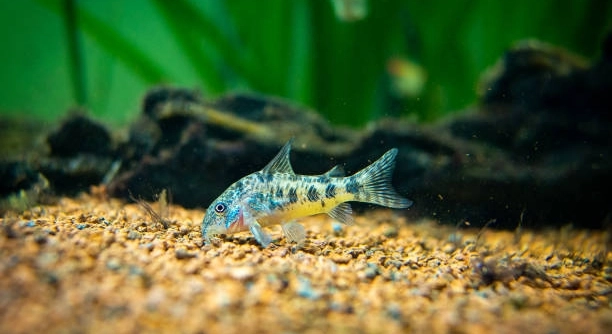
Is your Corydoras catfish swimming into the glass constantly? This behavior might seem puzzling at first, but there are a few reasons that could explain why it’s happening. Understanding the cause can help you ensure your fish’s comfort and well-being.
The primary reason your Corydoras catfish swims into the glass is due to stress, disorientation, or environmental factors like water quality. Other possible causes include hunger, inadequate tank setup, or reflections in the glass, all of which may confuse the fish.
Understanding the root causes of this behavior can help you create a more comfortable environment for your catfish. We’ll cover the most common reasons behind this unusual swimming habit and how to correct them.
Stress from Poor Water Quality
Corydoras catfish are sensitive to their environment, and poor water quality can lead to stress. If the water is too acidic or the temperature fluctuates, your catfish may swim into the glass more often. High levels of ammonia or nitrate can irritate the fish, causing erratic behavior.
Water quality is essential for the health of your catfish. Test the water regularly to make sure it remains in the ideal range for pH, temperature, and hardness. Regular water changes and proper filtration will go a long way in keeping your fish comfortable.
Stress from poor water quality is not only harmful to your catfish but can also lead to other health issues. A consistent routine of water maintenance ensures the overall well-being of your fish. By improving water conditions, you may notice a reduction in glass-surfing behavior. Keep in mind, Corydoras thrive in stable and clean environments, so creating that atmosphere will keep them calm and healthy.
Hunger or Poor Feeding Habits
Hunger can make Corydoras catfish more anxious, leading them to swim erratically, including into the glass.
If your catfish are not getting enough food, they might search around the tank looking for more. Corydoras are bottom dwellers, so they rely on sinking food and detritus. Ensure your fish are fed the right amount of food and at the right time. Overfeeding or underfeeding can both cause stress and unwanted behavior.
Reflections in the Glass
Reflections from the glass can confuse Corydoras catfish, leading them to swim toward it repeatedly. They may mistake their reflection for another fish.
This behavior is common when the tank is brightly lit. The light reflects off the glass, showing the catfish its own image. Corydoras, being social fish, may be trying to interact with the reflection, thinking it’s another fish. This can cause them to swim into the glass repeatedly, especially if they feel curious or threatened.
To avoid this, consider adjusting the lighting or adding plants and decorations that block the reflection. By minimizing reflective surfaces, you can help your fish feel more at ease in their environment. This small change can make a big difference in their behavior.
Poor Tank Setup
A poorly designed tank can create confusion for Corydoras catfish, leading to glass swimming. If the tank lacks hiding spots or has sharp edges, the fish may feel unsafe and swim aimlessly.
Corydoras prefer tanks with plenty of hiding spaces. Adding caves, plants, or other decorations can provide your fish with places to hide, making them feel more secure. Without proper shelter, they may swim near the glass, seeking a sense of safety or space.
Take the time to arrange your tank thoughtfully, ensuring there are plenty of spots for your catfish to explore and hide. A well-structured tank will reduce their stress and improve their overall behavior.
Overcrowding in the Tank
Overcrowding can lead to stress for Corydoras catfish. With too many fish in a small space, they may feel overwhelmed and exhibit unusual behaviors like swimming into the glass.
When there isn’t enough room, your catfish may struggle to find a comfortable space, increasing anxiety. This can make them appear frantic and confused as they swim near the glass, trying to avoid other fish or find their own space.
Unstable Water Temperature
Corydoras are sensitive to temperature changes, and fluctuating water temperatures can stress them out.
Inconsistent temperatures can cause your fish to swim aimlessly, including into the glass. Keeping the water temperature stable is essential for your catfish’s health and well-being. A reliable heater will help maintain a consistent environment.
Illness or Injury
If your Corydoras catfish is not feeling well, it may exhibit abnormal behaviors, such as swimming into the glass. Illness can affect their swimming patterns, causing them to seem disoriented or lethargic.
A sudden change in behavior may indicate health issues. If this occurs, check for signs of disease or injury and address them quickly. Make sure the tank’s water conditions are ideal to prevent further stress and help your catfish recover.
FAQ
Why does my Corydoras swim into the glass constantly?
Corydoras catfish swimming into the glass is often caused by environmental factors such as poor water quality, stress, hunger, or even reflections. These fish may swim into the glass to explore their surroundings or because they’re feeling anxious or disoriented. It’s essential to keep the water clean, provide proper hiding spots, and ensure they’re well-fed to reduce this behavior.
Is it normal for Corydoras to swim into the glass?
While it’s not ideal, it is fairly common for Corydoras to swim into the glass. It can be a sign that something is off in the tank. This behavior is often linked to stress, hunger, or confusion due to reflections. Taking steps to address the water quality, tank layout, and lighting can help reduce this.
How can I stop my Corydoras from swimming into the glass?
To stop your Corydoras from swimming into the glass, start by improving the water quality. Ensure the tank has enough hiding places like plants or caves. Reduce reflections by adjusting the lighting or using a background. Regularly feed them and check the temperature to keep your fish calm.
Can poor water quality cause my Corydoras to swim into the glass?
Yes, poor water quality can definitely contribute to this behavior. High ammonia or nitrate levels, incorrect pH, or fluctuating water temperatures can cause stress and confusion for your Corydoras. Regular water testing, filtration, and water changes are key to keeping the tank environment healthy and reducing this behavior.
What should I do if my Corydoras keeps swimming into the glass?
If your Corydoras keeps swimming into the glass, start by assessing the tank’s water quality, lighting, and setup. Test the water for ammonia, nitrites, nitrates, and pH levels, and make adjustments as needed. Ensure the fish have enough hiding spots and check if the tank is overcrowded. If the problem persists, consider adjusting the lighting to reduce reflections.
How do I know if my Corydoras is stressed?
Stress in Corydoras can show up in several ways. If your catfish is swimming erratically, hiding too much, or swimming into the glass constantly, it’s a sign they may be stressed. Other signs include reduced activity, loss of appetite, or aggressive behavior towards other fish. Identifying the cause and addressing it can help ease their stress.
Can Corydoras be overfed?
Yes, Corydoras can be overfed, and doing so can lead to stress and health problems. Overfeeding can cause water quality issues by leading to excess waste in the tank. It can also cause your fish to swim erratically. Feed your catfish small portions a few times a day to keep them healthy and happy.
Is there a way to tell if my Corydoras has a reflection problem?
If your Corydoras seems to focus on specific areas of the tank, especially near the glass, it may be reacting to its reflection. You might notice the catfish swimming up and down, seemingly trying to interact with the reflection. To confirm, you can block the glass with decorations or a background and see if the behavior changes.
Can other fish in the tank affect my Corydoras behavior?
Yes, other fish can affect Corydoras behavior. Aggressive tankmates can cause stress and make your Corydoras feel unsafe, which might lead to swimming into the glass or hiding. It’s important to ensure that all tankmates are compatible with your Corydoras and that the overall environment is peaceful.
How often should I change the water in my Corydoras tank?
Water changes are essential for maintaining good water quality. For a tank with Corydoras, it’s recommended to change 25-30% of the water every week. In some cases, if the tank is heavily stocked or water quality worsens quickly, more frequent changes may be necessary. Regular water changes help keep the environment stable and stress-free.
Can Corydoras get bored?
Yes, Corydoras can get bored if they don’t have enough to explore or interact with in the tank. These bottom-dwelling fish are naturally curious and need a stimulating environment. Adding substrate for them to sift through, plants to hide in, and other fish to interact with can help prevent boredom.
Final Thoughts
Understanding why your Corydoras catfish swims into the glass can help you improve their environment and reduce this behavior. Stress, poor water quality, hunger, and reflections are some of the most common reasons for this odd swimming pattern. When your fish start swimming into the glass, it’s usually a sign that something isn’t quite right in their tank. By paying attention to their needs and making small adjustments, you can help them feel more comfortable and reduce their anxiety.
The key to solving this problem lies in creating a stable and healthy environment for your Corydoras. Regularly checking and maintaining water quality is essential. Testing for ammonia, nitrates, pH levels, and temperature will give you a clear picture of the tank’s condition. Additionally, having plenty of hiding spots and decorations can help your fish feel secure and reduce the stress that leads to glass swimming. These changes are easy to implement and can improve not only their behavior but also their overall health.
Lastly, always be mindful of the other factors that may affect your Corydoras’ well-being. Overfeeding, overcrowding, and inappropriate tankmates can also lead to stress, which often results in abnormal behaviors. By ensuring your fish are well-fed, their tank is not overcrowded, and their companions are peaceful, you can create a harmonious environment that encourages natural behavior. With the right care and attention, you can enjoy a happy, healthy Corydoras catfish that no longer swims into the glass.

Hello,
If you enjoy the content that we create, please consider saying a "Thank You!" by leaving a tip.
Every little bit helps us continue crafting quality advice that supports the health, happiness, and well-being of pets around the world, for pets of all shapes, sizes, and species.
We really appreciate the kindness and support that you show us!