
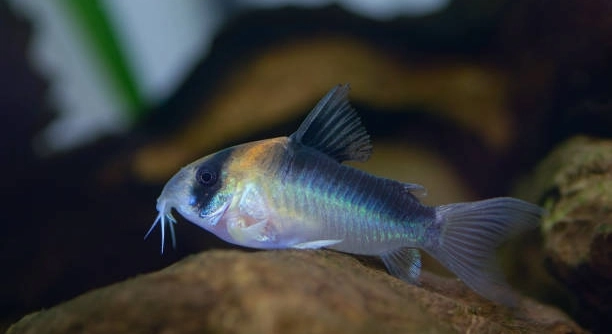
Corydoras catfish are popular aquarium fish that are known for their peaceful nature and playful antics. However, it can be tricky to determine when they’re actually sleeping. Understanding their sleep patterns is key to ensuring they stay healthy and happy.
Corydoras catfish are typically resting during the night, but they don’t have a traditional sleep cycle like humans. They tend to be more active at dusk and dawn. Signs of sleep include reduced movement and their position at the bottom of the tank.
Knowing the subtle signs of your Corydoras sleeping can help maintain a balanced tank environment. With these clues, you can make sure your fish are getting the proper rest they need for their overall well-being.
Why Do Corydoras Catfish Sleep?
Corydoras catfish are naturally nocturnal creatures. They are most active at dawn and dusk, which is when they explore and feed. During the day, they tend to rest, often blending in with the substrate. Their sleep helps them conserve energy and maintain their health. In an aquarium setting, these fish follow the same behavior patterns. While they don’t truly “sleep” like humans, their resting period is essential for recovery. It’s during this time that they relax, reducing their activity level, and appear calm or stationary at the tank bottom.
If you notice your Corydoras catfish resting or hiding during daylight, it could simply be following its natural cycle. This behavior ensures they are rested and can be more active during their feeding times.
You may see them resting quietly, nestled in the tank’s substrate. They tend to rest during the daytime, which can sometimes be mistaken for lethargy. It’s essential to understand this to avoid unnecessary worry and stress.
Signs That Your Corydoras Catfish Is Sleeping
A common sign of sleep is when your Corydoras becomes motionless. Their body may be resting at the tank’s bottom or under an object. Unlike active fish, they are not swimming around or interacting with their environment.
When your Corydoras catfish is sleeping, you’ll notice that it is not as responsive to movements or changes in the tank. They may even stay still for several hours, taking periodic breaks to move slightly. This is normal and indicates that they are simply resting. As nocturnal fish, they prefer peace and quiet during these hours. It’s essential to maintain a calm aquarium environment to help them rest properly.
Sleep is crucial for your fish’s health. Without enough rest, they may become stressed or weak. Understanding their natural sleep habits helps ensure that they get the proper rest they need to thrive.
How to Tell If Your Corydoras Is Sleeping
One easy way to tell if your Corydoras is sleeping is by observing their position in the tank. They often rest on the substrate or in hiding spots, with minimal movement. Their gills will also show little or no movement compared to when they are awake and foraging. If they are in a resting state, you may notice a more relaxed posture, sometimes even on their side.
Corydoras catfish typically prefer dark areas for rest. If your tank has plenty of hiding spaces or decorations, this could be a sign they are sleeping. They are not likely to sleep in the open, as they feel more secure in darker, quieter spots. Make sure your tank has areas for them to retreat to, as this mimics their natural behavior. If they seem to have a pattern of resting during the day and becoming more active at night, you are likely witnessing their sleep cycle.
Understanding these sleep behaviors will help you distinguish between sleep and signs of stress or illness. Your Corydoras may rest for a few hours or more, depending on the time of day and how they feel in their environment.
How to Differentiate Between Sleeping and Illness
When your Corydoras catfish is resting, they are usually lying still with little movement. If they are resting in a corner or under rocks, they are likely just sleeping. However, if you notice signs like erratic swimming, visible lesions, or a refusal to eat, illness could be the cause.
Corydoras catfish are typically calm and inactive when they sleep. They usually lie quietly on the tank bottom or in hiding. If you observe your fish staying in one spot for a prolonged period or swimming erratically, it might be a sign of something wrong. Healthy Corydoras usually rest during the day and become more active when the lights are off, not showing signs of discomfort. However, if you see abnormal behavior such as floating near the surface or rubbing against objects, it’s time to assess water quality and health.
In some cases, a Corydoras may also become lethargic due to environmental stress. Sudden changes in temperature, poor water quality, or aggression from other fish can lead to a decline in their health. Keep an eye on their overall behavior and the condition of the tank, as they thrive in a stable environment.
Proper Tank Conditions for Resting Corydoras
Corydoras are sensitive to water conditions and need stable, clean water to rest properly. Ammonia, nitrites, and high levels of nitrates should be kept in check. A good filtration system is necessary to maintain a healthy tank environment.
The water temperature for Corydoras should range from 72°F to 78°F (22°C to 26°C). They thrive in tanks with soft, slightly acidic water (pH between 6.0 and 7.5). A well-maintained tank will make your Corydoras feel secure and encourage them to rest properly. A stable environment also reduces stress, which can interfere with their sleep patterns.
Make sure your aquarium has gentle filtration and no strong currents. Corydoras prefer calm, slow-moving water. Adding plenty of hiding spots, such as caves or plants, also helps them feel safe when they rest. Creating a natural, peaceful environment will encourage them to follow their sleep habits and remain healthy.
Signs of Healthy Sleep in Corydoras Catfish
Healthy Corydoras catfish will usually rest at the tank’s bottom, often tucked into plants or hidden spots. They should appear calm, with steady breathing and minimal movement. Their gills should gently rise and fall as they relax, not showing signs of stress.
During their sleep periods, Corydoras will remain still, typically lying on their sides or resting flat against the substrate. Their eyes will be closed, and their bodies won’t exhibit twitching or erratic movements. If the fish is laying flat with a relaxed posture, it is likely in a restful state. Keeping a consistent day/night cycle helps regulate their sleep patterns.
If you observe your Corydoras behaving this way regularly, it’s a good indication that they are getting proper rest. They may be active during feeding times or when the aquarium lights go out, then return to a resting position afterward.
How to Create a Sleeping-Friendly Environment
To ensure your Corydoras sleep well, provide an environment that reduces stress. Avoid sudden changes in lighting or temperature, and limit any disturbances from other fish. Soft substrate like sand allows them to burrow comfortably.
Adding decorations such as plants or caves gives them plenty of space to hide and rest. Make sure your tank has gentle filtration, avoiding strong currents that could disrupt their sleep. Corydoras also prefer low light, so consider dimming the tank lights at night. Creating a secure, peaceful space will promote healthy sleep patterns.
Tankmates That Won’t Disturb Their Sleep
Corydoras are peaceful and prefer tankmates that are calm and non-aggressive. Avoid pairing them with larger, more active fish that could disturb their rest. Ideal companions are other peaceful fish like tetras or small rasboras.
Aggressive or fast-moving fish might cause stress, making it harder for your Corydoras to sleep peacefully. Choose slow-moving or equally calm fish to ensure your Corydoras feel comfortable. With the right tankmates, they can enjoy their rest without fear of being disturbed.
FAQ
Can Corydoras catfish sleep with their eyes open?
Yes, Corydoras catfish do not have eyelids, so they cannot close their eyes like humans or other animals. However, this does not mean they are not resting. While their eyes remain open, they still sleep by resting their bodies in one spot, reducing movement, and entering a relaxed state.
Do Corydoras catfish sleep at night?
Corydoras catfish are not strictly nocturnal but prefer to rest during the day and become more active in the evening and night. They follow a natural cycle where they rest during daylight hours, staying motionless or semi-stationary at the tank bottom. Their activity peaks when the lights go off, making it easier for them to forage in the wild.
How long do Corydoras catfish sleep?
Corydoras generally sleep anywhere from a few hours to about 12 hours per day, depending on their environment. In a tank, they may rest during the day and become more active at dusk and night. The duration of their sleep may also depend on their health, stress levels, and tank conditions.
Is it normal for my Corydoras to sleep upside down?
It’s unusual but not necessarily a cause for concern if your Corydoras catfish occasionally rests upside down. This behavior can happen when they feel extremely comfortable and secure. However, if the fish remains upside down for long periods or shows signs of distress, it may indicate an underlying health problem or water quality issue.
How can I tell if my Corydoras is sick or just resting?
If your Corydoras is sleeping, you should see them lying still, with their gills gently moving. If they are not responding to changes in the tank environment or staying at the surface for an extended period, they could be sick. Look for other symptoms such as loss of appetite, discolored spots, or irregular swimming patterns, which can indicate illness.
Do Corydoras sleep in groups?
Corydoras catfish are social creatures and often prefer to rest near other fish. While they do not sleep in a strict group, you may notice them choosing similar resting spots or staying near each other during sleep. This behavior is common among shoaling fish, as they feel safer and more comfortable when surrounded by their kind.
Should I turn off the aquarium light at night for my Corydoras?
Yes, turning off the aquarium lights at night is beneficial for your Corydoras. It helps regulate their sleep patterns by providing them with a clear day/night cycle. Corydoras prefer low light at night and may feel more secure when the lights are off, leading to a more restful sleep.
Can Corydoras sleep with other fish around?
Corydoras are generally peaceful fish that can sleep with other species, as long as those fish are not overly active or aggressive. They prefer calm environments and are less likely to rest if they are constantly disturbed by other fish. A peaceful tank with appropriate tankmates allows your Corydoras to sleep more comfortably.
Why does my Corydoras sometimes rest in unusual places?
Corydoras may choose unusual resting spots depending on the conditions of the tank. They might prefer to rest in darker, more secure areas, such as near decorations or plants. If they feel stressed or uncomfortable with the tank setup, they may also seek hidden spots to feel safer. Providing more hiding places in the tank can help your Corydoras feel secure while resting.
Is it normal for Corydoras to sleep on their side?
Yes, it’s normal for Corydoras to sleep on their sides or even rest on their backs when they are at ease. This behavior is common when they are in a relaxed state. If this becomes a constant position or is coupled with other abnormal behaviors, it could be a sign of illness or distress, so keep an eye on their overall condition.
How do water conditions affect Corydoras sleep?
Poor water quality can negatively affect your Corydoras’ sleep. If ammonia, nitrites, or nitrates are too high, or the water temperature is not within the ideal range (72°F to 78°F), your Corydoras may become stressed and less likely to rest. Regular water changes and proper filtration are essential to maintaining an environment that promotes healthy sleep patterns.
Do Corydoras need a resting place in the tank?
While Corydoras don’t require a specific “bed,” they do appreciate having places where they can hide and rest. This could include plants, caves, or other tank decorations that provide security. A peaceful, cluttered tank with hiding spaces encourages Corydoras to rest more easily and stay comfortable.
What happens if my Corydoras doesn’t sleep enough?
If a Corydoras catfish is not getting enough rest, it can lead to increased stress, weakened immune systems, and even premature death. Sleep is vital for their health, as it helps with recovery and energy conservation. If you notice signs of excessive stress, it’s essential to check your tank conditions, including water quality, temperature, and tankmates.
Final Thoughts
Understanding when and how your Corydoras catfish sleep is essential for providing them with the best care. These fish are naturally calm and prefer to rest during the day, becoming more active during dawn and dusk. By observing their sleep behavior, such as staying still at the bottom of the tank or finding hiding spots, you can easily tell when they are in a restful state. It’s important to remember that Corydoras don’t sleep like humans, but their need for rest is just as significant to their health and well-being.
Creating an environment where your Corydoras can rest comfortably is key. Providing a tank with plenty of hiding places, such as plants or caves, will help them feel secure. Maintaining clean, stable water conditions also plays a large role in ensuring your Corydoras get enough rest. If the water quality is poor, your fish may become stressed and have difficulty sleeping. Having a consistent day and night cycle with dim lighting can encourage their natural sleep patterns. Avoid disturbances from other fish or sudden changes in temperature to keep your Corydoras relaxed and healthy.
In the end, recognizing when your Corydoras are sleeping, and providing them with the right environment to rest, will lead to a more active and healthy fish. Regularly monitoring their behavior and tank conditions helps prevent any issues with their sleep cycle. Healthy, well-rested Corydoras are more likely to thrive in your aquarium, enjoying a peaceful and active life. With a little attention to their needs, you can ensure your Corydoras catfish stays happy and healthy for years to come.

Hello,
If you enjoy the content that we create, please consider saying a "Thank You!" by leaving a tip.
Every little bit helps us continue crafting quality advice that supports the health, happiness, and well-being of pets around the world, for pets of all shapes, sizes, and species.
We really appreciate the kindness and support that you show us!