
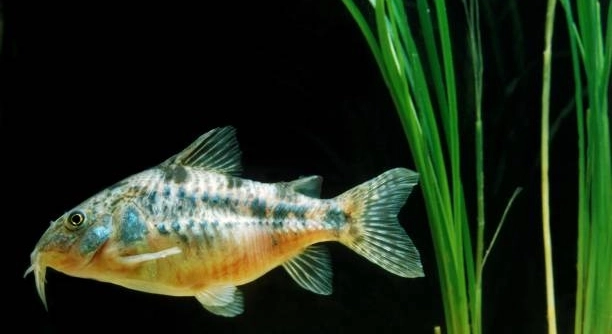
Corydoras catfish are popular freshwater aquarium fish, known for their peaceful nature and unique behavior. However, you may notice them staying in one spot for long periods. This behavior can be puzzling to many fish owners.
The most common reason your Corydoras catfish stays in one spot is due to stress, poor water quality, or illness. Ensuring a clean environment and monitoring water parameters can help improve their health and encourage normal activity.
By addressing the underlying causes of your Corydoras’ behavior, you can create a better habitat for them. In the following, we will explore different factors affecting their well-being.
Poor Water Quality
Corydoras catfish are sensitive to changes in water conditions. If the water quality isn’t ideal, they may stay in one spot, conserving energy and avoiding movement. Common issues like high ammonia levels, low oxygen, or fluctuating temperatures can make them feel stressed. Over time, poor water quality can lead to health problems that make them less active. Regular water changes, using a quality filter, and testing water parameters like pH, nitrate, and ammonia are essential for keeping these fish healthy and active. Always monitor the water conditions, as they can change rapidly in a tank, especially without proper filtration or maintenance.
Monitoring and adjusting water conditions is crucial for your Corydoras. A stable and clean environment will help them feel more comfortable and encourage natural behaviors, like exploring the tank.
To keep your Corydoras happy, use an aquarium test kit to check water parameters regularly. Aim for clean, well-oxygenated water. Adding an air stone can also help with oxygen levels. Maintaining a stable temperature around 72-78°F (22-26°C) will keep them healthy. If the water quality improves, they’ll likely start moving around more and exploring their surroundings.
Stress from Other Tank Mates
Tank mates can play a significant role in your Corydoras’ behavior. Aggressive or overly active fish may cause them to retreat to a quiet area. Corydoras prefer peaceful environments and need space to thrive. When larger or more dominant fish invade their territory, they might feel unsafe. Stress from tank mates can make your Corydoras stay in one spot for protection or out of fear.
Adding peaceful tank mates, like small tetras or snails, can give your Corydoras the sense of security they need. Avoid aggressive species, as they may cause undue stress, making your fish more likely to hide.
Creating a peaceful tank environment for your Corydoras is essential for their health. Choosing compatible tank mates is one of the most effective ways to reduce stress. Fish like guppies, mollies, or peaceful barbs can coexist well with Corydoras. It’s important to monitor your fish regularly, ensuring that no one is causing stress or aggression. A peaceful tank environment will encourage your Corydoras to be more active and engaged.
Illness or Injury
If your Corydoras is unwell, it may stay in one spot as a result of discomfort or pain. Illnesses such as parasites, bacterial infections, or internal issues can affect their behavior. A lack of appetite or unusual swimming patterns often accompany these problems. Watching for any signs of illness early on is key to helping your fish recover.
When a Corydoras becomes sick, it may isolate itself to avoid further stress. You’ll often notice it staying in one spot, swimming erratically, or hiding. It’s important to check for visible signs of disease, such as faded colors, sores, or bloating. The faster you spot the issue, the quicker you can treat it.
Prompt treatment is vital to ensure your Corydoras doesn’t suffer from prolonged illness. Medications designed for freshwater fish can target specific issues, but make sure to quarantine sick fish to prevent the spread of disease. Additionally, maintaining a clean tank environment is essential to prevent reinfection or complications. If the illness is serious, consulting a vet specializing in fish is often the best course of action.
Overfeeding
Overfeeding can lead to a variety of issues for your Corydoras. When too much food is given, uneaten leftovers can create poor water conditions and cause stress. Corydoras are bottom dwellers and prefer to scavenge food, but excess food often leads to them staying still in one spot, avoiding movement or more effort to search for food.
Excess food in the tank can degrade water quality and introduce harmful bacteria. When there’s too much food, Corydoras may eat only what’s immediately in front of them and avoid exploring the tank. Overfeeding can cause bloating and other digestive problems as well. It’s better to feed small portions several times a day rather than one large meal. Keeping track of how much food is left behind will help you avoid overfeeding.
A good feeding routine is key to keeping your Corydoras active and healthy. Providing food that they can easily consume within a few minutes prevents leftovers from causing water quality issues. Additionally, avoid feeding them more than they can eat in one sitting, and remove any uneaten food promptly. By sticking to proper feeding practices, your Corydoras will feel better and become more active in their tank.
Inadequate Tank Size
A small tank can stress out your Corydoras, leaving them with little room to swim. These fish are active bottom dwellers, and without enough space, they may stay in one spot due to confinement. Providing a proper tank size helps keep them healthy and more active.
Corydoras thrive in tanks that are at least 20 gallons, with plenty of hiding spots and open areas for swimming. In a cramped tank, they may feel overwhelmed and stuck. If you notice your Corydoras not moving much, it could be a sign that the tank is too small for their comfort.
A larger tank allows your Corydoras to roam freely and feel less stressed. They will feel more secure in an environment that offers space to explore. Along with sufficient space, proper filtration and tank decorations will improve their overall well-being.
Water Temperature
Corydoras catfish prefer stable water temperatures between 72°F and 78°F (22-26°C). Fluctuations outside this range can cause stress, leading to inactivity. Ensure the tank heater is working properly to maintain a consistent temperature.
If your Corydoras are staying in one spot, temperature stress could be the issue. Sudden drops or increases in temperature can weaken their immune system and make them less mobile. Use a thermometer to check the water regularly, especially during seasonal changes.
Lack of Proper Substrate
Corydoras need a soft, sandy substrate for their natural behavior of scavenging and digging. Gravel or sharp rocks can irritate their sensitive barbels, leading to inactivity. A soft substrate helps them feel comfortable and encourages them to explore the tank.
FAQ
Why does my Corydoras stay in one spot all the time?
There are several reasons your Corydoras might be staying in one spot. Stress, poor water quality, illness, or even a lack of space in the tank can all contribute to this behavior. Corydoras are bottom dwellers that prefer a calm and clean environment. If the water isn’t clean or stable, they may remain in one spot to avoid further stress. Illness and injury can also cause them to limit their movement. Ensure that your tank is spacious, the water is properly filtered, and the temperature is consistent to help your Corydoras feel more comfortable.
Can Corydoras get stressed easily?
Yes, Corydoras can get stressed rather quickly. These fish are very sensitive to their environment, and even small changes in water quality or tank conditions can stress them out. For instance, aggressive tank mates, fluctuating water temperatures, or low oxygen levels can cause them to hide or stay in one place. Ensuring a peaceful environment and stable water conditions can go a long way in reducing their stress and helping them feel safe in their tank.
What are the signs that my Corydoras is sick?
Sick Corydoras may exhibit several signs, such as fading color, loss of appetite, erratic swimming, or staying in one spot for too long. You may also notice abnormal behavior like gasping at the surface, bloating, or visible sores and lesions. If you notice these symptoms, it’s essential to treat the fish promptly and check the water quality. Quarantining the affected fish will prevent the spread of disease to other tank mates. You may also want to consult with a vet who specializes in fish for the best treatment.
How can I improve water quality for my Corydoras?
To improve water quality, regularly check parameters like ammonia, nitrate, nitrite, pH, and temperature. Corydoras prefer slightly acidic to neutral water with a pH range of 6.5 to 7.5. Perform regular water changes to prevent toxins from building up. Additionally, a high-quality filter and good water circulation will help keep the water clean and oxygenated. Adding live plants and using an air stone can also improve water quality by enhancing oxygen exchange.
What temperature is best for Corydoras?
Corydoras catfish thrive in water temperatures between 72°F and 78°F (22°C to 26°C). Keeping the temperature within this range is important to avoid stressing your fish. Temperature fluctuations can lead to weakened immune systems and increase the risk of illness. A stable temperature, combined with good water quality, will help your Corydoras remain active and healthy.
Can Corydoras live with other fish?
Yes, Corydoras can live with many other peaceful fish species. They get along well with small tetras, livebearers like guppies, and peaceful barbs. Avoid placing them with aggressive or territorial species, as these can cause stress and harm your Corydoras. When choosing tank mates, always ensure the fish are of a similar size and temperament to prevent bullying or aggression.
How often should I feed my Corydoras?
Feed your Corydoras small amounts of food 2-3 times a day. Overfeeding can cause poor water quality and health problems. Corydoras are bottom feeders and enjoy scavenging for food, so provide them with sinking pellets, wafers, or frozen foods like bloodworms or brine shrimp. Remove any uneaten food after a few hours to maintain water quality.
Is my Corydoras hiding because it’s stressed?
Yes, hiding can be a sign of stress in Corydoras. If your fish is staying in one spot or hiding frequently, it could be because of poor water quality, tank mate aggression, or discomfort. Check your water parameters and ensure the tank is peaceful and spacious enough for your Corydoras to feel secure. Also, ensure they have plenty of hiding spots to reduce stress.
Do Corydoras need a lot of space?
While Corydoras are relatively small, they do need plenty of space to feel comfortable and reduce stress. A tank of at least 20 gallons is ideal for a small group of Corydoras. They are active bottom dwellers that enjoy swimming and exploring. Overcrowding can cause stress and prevent them from moving freely, leading to health problems. Providing them with space and hiding spots is crucial to keeping them healthy and active.
Why are my Corydoras staying near the surface?
Corydoras staying near the surface could be a sign that the water lacks oxygen or that the water temperature is too high. These fish typically prefer to stay near the bottom, where there’s more oxygen. If they’re staying at the surface, check the water’s oxygen levels and ensure the temperature is within the ideal range. Adding an air stone or improving water circulation can help increase oxygen levels, which may encourage your Corydoras to return to the bottom of the tank.
How can I make my Corydoras more active?
To encourage your Corydoras to become more active, ensure they have a clean, stable environment. Make sure the water quality is good, the temperature is appropriate, and that the tank isn’t overcrowded. Provide hiding spots and plants to make the tank more interesting and reduce stress. Also, make sure you’re feeding them a balanced diet and offering a variety of foods. Keeping the tank peaceful with compatible tank mates will help your Corydoras feel safe, leading to more natural activity.
Final Thoughts
Understanding why your Corydoras catfish stays in one spot can help you create a better environment for them. Whether it’s due to stress, illness, poor water quality, or simply the tank conditions, addressing these issues can make a big difference in their behavior. Corydoras are active, peaceful fish that prefer stable conditions and enough space to move around. If they’re staying in one spot, it’s often a sign that something isn’t quite right, and it’s important to figure out the root cause.
A clean, well-maintained tank with stable water parameters is key to keeping your Corydoras healthy. Regular water changes, proper filtration, and a consistent temperature are all important factors in maintaining a comfortable environment for your fish. Additionally, ensuring that your Corydoras have enough space to swim and hide can reduce stress, which is essential for their well-being. Remember that these fish are bottom dwellers, and they prefer soft substrates that allow them to sift through the sand. Providing the right kind of substrate and avoiding sharp rocks will help them feel more at ease in their environment.
Lastly, it’s important to be patient and attentive when monitoring your Corydoras’ behavior. If they are staying in one spot for an extended period, observe their environment closely and look for signs of illness, stress, or poor water quality. By making necessary changes to their tank conditions, you can encourage them to move more freely and enjoy a better quality of life. With the right care, Corydoras can thrive in your aquarium and become a peaceful, active part of your underwater community.

Hello,
If you enjoy the content that we create, please consider saying a "Thank You!" by leaving a tip.
Every little bit helps us continue crafting quality advice that supports the health, happiness, and well-being of pets around the world, for pets of all shapes, sizes, and species.
We really appreciate the kindness and support that you show us!