
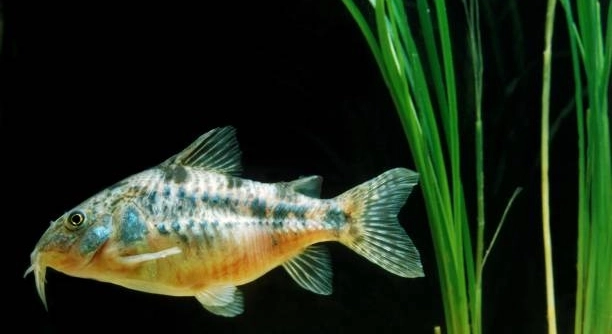
Corydoras catfish are a popular species among fishkeepers due to their friendly nature and unique appearance. However, like all pets, they can sometimes fall ill, requiring proper care and attention to ensure their well-being.
The best way to handle a sick Corydoras catfish is by first identifying the symptoms. Provide a stable environment, maintain proper water conditions, and consider medicating the fish if necessary. A balanced diet and rest are essential for recovery.
Proper care and treatment are crucial in nursing a sick Corydoras catfish back to health. With these steps, you can ensure your fish receives the best possible care.
Common Signs Your Corydoras Catfish Is Sick
When a Corydoras catfish is unwell, its behavior and appearance will change. Watch for signs such as lethargy, loss of appetite, or abnormal swimming patterns. Other indicators include faded colors, visible lesions, or difficulty breathing. Monitoring water quality is crucial as poor conditions often lead to illness. Corydoras are sensitive to ammonia, nitrate, and nitrite levels, so always ensure that the water is clean and well-filtered. Temperature and pH also play a significant role in their health. Any signs of stress or abnormal behavior should be addressed promptly to avoid further complications.
The sooner you spot symptoms, the quicker you can act to help your catfish recover. Immediate attention to water quality and behavior can prevent illness from worsening.
It is important to always monitor your catfish’s environment closely. If a fish appears ill, check water conditions first and assess whether any changes need to be made. Consistent care will help prevent most problems.
How to Treat Sick Corydoras Catfish
The first step in treating a sick Corydoras catfish is isolating it to prevent the spread of any potential diseases. If possible, place the fish in a quarantine tank where you can monitor its condition more closely. In some cases, medications such as antibacterial or antifungal treatments can be added to the water. However, before introducing any treatments, ensure that the water quality is optimal and that the fish has a stress-free environment. Fresh water with proper filtration, temperature, and pH levels is vital during this time.
When medicating, carefully follow the instructions on the treatment product. Overuse of chemicals can harm your catfish, so it’s essential to administer the correct dosage. Regular water changes are also crucial, as this helps remove any toxins or excess medication that may harm your fish.
Sometimes, a shift in diet can help as well. Offering more nutritious food, such as high-quality pellets or live foods, may stimulate the fish’s appetite and help with recovery.
How to Maintain Optimal Water Quality for Your Corydoras
Maintaining proper water quality is one of the most important aspects of keeping Corydoras catfish healthy. Poor water conditions can lead to stress and illness. Regular water changes and a good filtration system are essential.
Testing the water regularly for ammonia, nitrites, and nitrates is a must. Corydoras are sensitive to poor water quality, especially ammonia, which can be deadly even in small amounts. Keep the water temperature between 72°F and 78°F, with a pH level between 6.5 and 7.5.
Additionally, ensure that the water’s hardness is within the ideal range for these fish. If the water is too soft or too hard, it can cause health problems. Consistent water changes and regular monitoring of these parameters will help maintain a safe environment.
Diet and Feeding Tips for Sick Corydoras
A proper diet plays a key role in the health of your Corydoras catfish, especially when they are recovering from an illness. Offering a balanced mix of high-quality pellets, frozen foods, and occasional live food can help with recovery.
It’s important not to overfeed, as uneaten food can pollute the water. When feeding a sick Corydoras, try offering softer foods that are easier to consume, such as bloodworms or brine shrimp. This can help stimulate the fish’s appetite while ensuring they get the necessary nutrients for healing.
Monitor their eating habits closely. If your Corydoras continues to show no interest in food, it might be an indication that they are too stressed or unwell.
Isolating Sick Corydoras for Recovery
When a Corydoras catfish shows signs of illness, it’s best to isolate it in a separate quarantine tank. This helps prevent the spread of disease and ensures the sick fish gets undivided attention.
A quarantine tank allows you to monitor the fish’s behavior, adjust water conditions, and treat it effectively without stress. Keep the tank dimly lit and avoid adding decorations that could stress the fish further. A bare-bottom tank works best for easy cleaning and observing the fish’s condition.
Common Illnesses in Corydoras Catfish
Corydoras catfish can suffer from various illnesses, including skin infections, internal parasites, and swim bladder disease. Identifying the symptoms early will help in treating the issue effectively.
Skin infections often present as visible sores, lesions, or red patches. Parasites can cause the fish to exhibit unusual behavior, such as scratching against objects or erratic swimming. These diseases require immediate attention and targeted treatment.
Temperature Adjustments for Sick Corydoras
If your Corydoras catfish is ill, adjusting the water temperature can help with recovery. Raising the temperature by 2-3°F can speed up the metabolism of the fish, allowing it to heal faster.
However, avoid drastic temperature changes, as sudden shifts can cause further stress or harm. Always monitor the temperature to ensure it remains within a safe range for your fish.
FAQ
How do I know if my Corydoras catfish is sick?
There are several signs to look out for when a Corydoras catfish is unwell. These include abnormal swimming, lethargy, loss of appetite, faded colors, and unusual markings like sores or lesions. The fish may also be breathing rapidly or staying at the bottom of the tank. Always check water conditions as poor quality can contribute to illness. If you notice these signs, it’s important to take immediate action to isolate and treat the fish.
What should I do if my Corydoras catfish stops eating?
If your Corydoras stops eating, it could indicate stress, illness, or poor water quality. Start by checking the water parameters—ammonia, nitrites, and nitrates should all be at safe levels. If the water quality is fine, try offering live or frozen foods like bloodworms or brine shrimp. Sometimes, sick Corydoras may be too stressed to eat, so offering soft, easy-to-eat food can help. If the issue persists, consider isolating the fish in a quarantine tank for further observation and treatment.
Can Corydoras recover from swim bladder disease?
Swim bladder disease can be difficult to treat but not impossible. If a Corydoras is suffering from this condition, you can try adjusting the water temperature slightly to stimulate its metabolism. It may also help to feed the fish a diet of high-fiber foods like blanched peas, which can help with digestion. If swim bladder disease is caused by an infection, medication may be required. Always monitor the fish closely to assess any improvement.
What are the best water conditions for Corydoras catfish?
Corydoras catfish prefer clean, slightly acidic to neutral water with temperatures between 72°F and 78°F. The pH level should range between 6.5 and 7.5, and water hardness should be between 2 and 15 dGH. Maintaining stable water conditions is crucial for their health. Perform regular water changes, test water parameters frequently, and ensure proper filtration. High ammonia, nitrites, or fluctuating temperatures can lead to stress and illness.
How do I treat fungal infections in Corydoras catfish?
Fungal infections in Corydoras are often identified by cotton-like growths on the skin, gills, or fins. Treatment generally involves using antifungal medications available at pet stores. Isolate the affected fish in a quarantine tank to prevent the spread of the infection. During treatment, it’s important to keep the water clean and perform frequent water changes. The fish may also benefit from improved water conditions, a stress-free environment, and possibly a change in diet.
Can I use salt to treat my sick Corydoras catfish?
While aquarium salt can be helpful in treating some illnesses, it should be used cautiously with Corydoras catfish. These fish are sensitive to salt, and overdosing can cause more harm than good. If you choose to use salt, start with a very small amount and dissolve it in water before adding it to the tank. Monitor the fish closely to ensure they are not stressed. It’s generally safer to use other treatments designed for freshwater fish, especially if the illness is unknown.
How do I prevent my Corydoras from getting sick?
Preventing illness in Corydoras begins with maintaining optimal water quality. Regular water changes, proper filtration, and testing the water regularly for ammonia, nitrites, and nitrates are essential. Avoid overcrowding and ensure that the tank is well-maintained with no sharp objects that can injure your fish. Provide a balanced diet with a variety of foods to keep them healthy. Additionally, avoid introducing new fish without proper quarantine procedures to prevent the introduction of diseases into the tank.
Can Corydoras catfish live with other fish species?
Yes, Corydoras are peaceful fish and can live well with other non-aggressive species. They thrive in schools, so it’s best to keep them in groups of three or more. Suitable tankmates include other peaceful bottom dwellers, small tetras, guppies, and similar non-aggressive species. Avoid keeping them with larger, more aggressive fish that may stress or harm them.
How can I improve my Corydoras’ diet?
To improve your Corydoras’ diet, offer a variety of foods such as high-quality pellets, live or frozen foods like bloodworms, brine shrimp, and daphnia. Occasionally, offer blanched vegetables like peas or zucchini to provide additional nutrients. Ensure that the food is small enough for the fish to eat easily. Feeding multiple times a day in small portions will also help maintain their health. Keep in mind that overfeeding can lead to water quality problems, so be sure to remove any uneaten food promptly.
Why is my Corydoras catfish swimming upside down?
If your Corydoras catfish is swimming upside down, it could be a sign of swim bladder disorder, which affects the fish’s buoyancy. This could be due to overfeeding, constipation, or internal infections. In some cases, it may resolve on its own, but you can try feeding the fish peas to aid in digestion. If the behavior continues, consider isolating the fish and monitoring its condition closely. Medications for swim bladder disease may be necessary in more severe cases.
Final Thoughts
Caring for a sick Corydoras catfish requires quick action and attention to detail. By identifying symptoms early, you can prevent the illness from worsening and give your fish the best chance at recovery. Keep in mind that water quality is one of the most important factors in preventing and treating illness. Regular water changes, monitoring water parameters, and ensuring stable temperatures help maintain a healthy environment. Corydoras are resilient fish, but they rely on you to provide the right care when they need it most.
While it can be challenging to watch a pet fish in distress, treating the underlying issue can often lead to full recovery. Whether the problem is caused by poor water quality, diet, or an infection, addressing the cause is essential. Be sure to adjust the water conditions, isolate the fish if needed, and offer an appropriate diet. If the fish is not eating, consider using softer, more digestible foods that can help them regain their strength. Additionally, always monitor their behavior closely to see if the treatment is having a positive effect.
Taking the time to learn about the common health issues Corydoras face and how to treat them ensures that your fish can thrive. Prevention is always better than cure, so maintaining good water quality, providing a balanced diet, and creating a stress-free environment are key to keeping your Corydoras healthy. By understanding their needs and acting promptly when problems arise, you can provide a better life for your catfish and enjoy their company for years to come.

Hello,
If you enjoy the content that we create, please consider saying a "Thank You!" by leaving a tip.
Every little bit helps us continue crafting quality advice that supports the health, happiness, and well-being of pets around the world, for pets of all shapes, sizes, and species.
We really appreciate the kindness and support that you show us!