
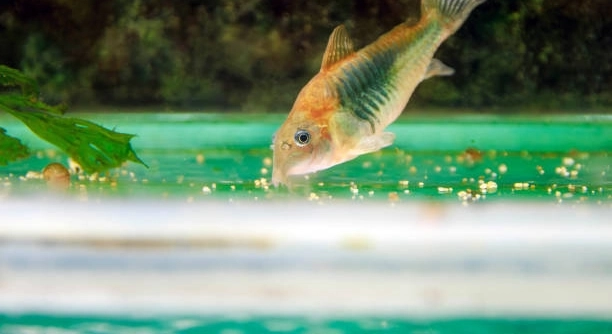
Corydoras catfish are known for their playful nature and fascinating behaviors, especially when it comes to spawning. If your catfish have been spawning more than usual, understanding the reasons behind this can help you maintain a balanced aquarium.
The most common reasons your Corydoras catfish may continue spawning include changes in water conditions, temperature fluctuations, and diet. These factors, along with breeding triggers such as lighting and tank environment, contribute to increased spawning activity.
Identifying and addressing these factors will help ensure a healthy environment for your fish. By understanding the causes, you can enjoy observing your Corydoras catfish in their natural reproductive behavior.
Water Temperature and Quality
Corydoras catfish are sensitive to changes in water temperature and quality. If the water becomes too warm or too cold, it can trigger spawning. Corydoras typically prefer temperatures between 72°F and 78°F (22°C and 26°C). When the water fluctuates outside this range, they may start spawning as a response to the stress or as a natural reaction to changing conditions. Ensuring a stable, clean environment will help regulate their reproductive cycles and prevent over-spawning.
Maintaining proper filtration and regular water changes is essential. Clean water with appropriate pH levels (6.5 to 7.5) and hardness will keep your fish happy and healthy, reducing unnecessary spawning episodes.
In addition to temperature, the oxygen level in the tank plays a significant role in spawning. Low oxygen levels can stress the fish, causing them to breed as a survival mechanism. Regular aeration and filtration can help maintain a healthy oxygen level, keeping spawning under control.
Diet and Nutrition
Feeding your Corydoras catfish a varied and balanced diet can also influence their spawning behavior. High-protein foods, such as bloodworms, brine shrimp, and finely chopped vegetables, can encourage reproduction. These foods provide the necessary nutrients for breeding. A well-rounded diet helps the fish stay healthy and ensures they are in prime condition for spawning. It is important to avoid overfeeding, which can lead to water quality issues and unnecessary spawning.
In addition to protein-rich foods, Corydoras require a good mix of plant matter and fiber to stay healthy. Feeding them a balanced diet ensures their digestive systems function properly, preventing the tank from becoming polluted with excess food. Adjusting their diet based on their needs can significantly reduce excessive spawning.
Overfeeding can also lead to water pollution and stress. Proper feeding habits contribute to an overall balanced environment that reduces spawning disruptions and promotes well-being.
Tank Environment and Space
Corydoras catfish prefer having plenty of space to swim and hide. A crowded tank can stress them out and trigger more frequent spawning. When they feel cramped, they may breed to ensure the survival of their species. It’s important to provide hiding spots, such as plants, caves, or driftwood, where the catfish can retreat and feel secure.
A spacious tank with proper hiding spots will reduce stress and make them feel safe. If the fish don’t have enough room to explore, it can lead to territorial disputes and excessive spawning. Consider increasing the tank size or adding more decorations to help distribute the fish’s energy and reduce the urge to reproduce.
The tank’s layout should be designed to allow free swimming and natural behaviors. It’s also vital to avoid overcrowding, which can create competition for resources and lead to stress-induced spawning. A peaceful, spacious environment can help curb frequent breeding.
Lighting and Day-Night Cycle
The lighting in your tank can affect your Corydoras’ spawning patterns. Too much light or inconsistent lighting can cause stress, leading to increased spawning. They thrive under a consistent light cycle, simulating natural day and night. If your lighting is too bright or on for too long, they may be triggered to spawn more frequently.
To prevent excessive spawning, it’s best to maintain a regular 10-12 hour light cycle. This allows your Corydoras to follow a natural rhythm and reduces the likelihood of breeding when they are not in a suitable condition. Using a timer for the lights can ensure consistency.
Darkness is essential to maintaining a balanced day-night cycle. While too much light can be stressful, ensuring the tank has sufficient dark periods also allows the catfish to rest. It promotes healthier behavior, leading to fewer spawning events.
Water Chemistry and pH Levels
Corydoras catfish are sensitive to the water’s pH levels. If the pH fluctuates too much, it can trigger spawning. A stable pH level between 6.5 and 7.5 is ideal for these fish. Keeping the water within this range reduces stress and minimizes the chances of constant spawning.
Regular water testing is essential to maintain proper pH levels. Small adjustments can be made using products designed to stabilize the pH if necessary. If the water is too acidic or alkaline, the catfish may feel unsettled, leading to more frequent breeding behavior.
Overcrowding and Social Dynamics
Corydoras are social fish that thrive in groups. However, overcrowding can lead to stress, which may cause excessive spawning. It’s important to provide enough space for the fish to swim freely without feeling cramped. Keeping a balance between the number of fish and the tank size is key.
Fish that feel safe and relaxed are less likely to spawn frequently. With too many fish in the tank, aggression and competition for space or food can increase, pushing the Corydoras to reproduce. Ensuring the right population size will help maintain a healthy, balanced environment.
Seasonal Changes
As seasons change, so do the behaviors of Corydoras. During warmer months, or as the temperature rises, they may breed more frequently. Warmer water temperatures trigger their natural spawning instincts. Understanding seasonal temperature shifts can help you anticipate and manage their breeding activity.
Keeping track of these changes will help you prepare for potential spikes in spawning. You can adjust water conditions to ensure your catfish are comfortable and not overstressed during these periods. Recognizing seasonal patterns makes it easier to manage your tank and keep your Corydoras in good health.
FAQ
Why do my Corydoras catfish spawn so often?
Corydoras catfish may spawn frequently due to various factors like temperature fluctuations, water quality, diet, and tank environment. When water conditions change, such as rising temperatures or sudden shifts in pH, it can trigger spawning. A lack of space, overcrowding, or inconsistent lighting may also increase spawning frequency. Keeping a stable and comfortable environment for your fish can help reduce unnecessary breeding. Maintaining proper water temperature, cleanliness, and tank size plays a significant role in minimizing the frequency of spawning.
How can I stop my Corydoras catfish from spawning?
To reduce the frequency of spawning, you need to address the environmental triggers that are causing the behavior. Adjust water temperature to fall within the ideal range (72°F to 78°F) and keep the pH level stable between 6.5 and 7.5. Reduce the amount of light your fish receive by controlling the light cycle, keeping it consistent. Additionally, ensure your tank has enough space and hiding spots so your fish feel secure. Overcrowding can stress them out and trigger more breeding. Regular maintenance of water quality and filtration is also essential to limit spawning.
Can I prevent Corydoras from spawning altogether?
While it’s difficult to completely prevent Corydoras from spawning, you can minimize the chances by creating a stable and stress-free environment. Avoid drastic water changes, ensure good water filtration, and provide plenty of hiding spots. By regulating the temperature, light exposure, and space in the tank, you can reduce spawning triggers. Keeping male and female Corydoras in balanced numbers can also help, as too many males or females may cause increased spawning. However, some spawning is natural, and occasional breeding should be expected.
Do Corydoras catfish need a breeding pair to spawn?
Corydoras don’t necessarily need a specific breeding pair to spawn. They tend to spawn in groups, and males will often compete for the attention of females. As long as there is a healthy male-to-female ratio in the tank, multiple males can court a female, leading to breeding behavior. While a monogamous pairing is not required, ensuring there are at least a few males and females in the tank will encourage more successful breeding. In some cases, Corydoras will spawn with multiple mates.
How often do Corydoras catfish spawn?
Corydoras catfish can spawn as frequently as every few weeks under ideal conditions. However, the actual frequency depends on water quality, temperature, and diet. If the conditions are right, they will breed more often, especially when the water is warmer and their environment is stable. Regular spawning is natural for Corydoras, especially during warmer seasons when they feel comfortable and secure in their tank. However, constant or excessive breeding may indicate that there are stressors in the environment that need to be addressed.
What should I do with the eggs if my Corydoras spawn?
If your Corydoras spawn, you can choose to leave the eggs in the tank, allowing them to hatch naturally. Corydoras catfish often lay eggs on surfaces like plants, glass, or decorations. However, you should monitor the eggs to ensure that other tank mates do not eat them. If you want to protect the eggs, you can move them to a separate breeding tank or use a breeder box. Ensure the water conditions are ideal for hatching, with stable temperature and proper filtration.
How long does it take for Corydoras eggs to hatch?
Corydoras eggs typically take 3 to 7 days to hatch, depending on the water temperature and conditions. Warmer temperatures generally speed up the hatching process, while cooler water may slow it down. During this time, it’s essential to ensure that the water quality remains high to prevent any fungal infections from developing on the eggs. Once hatched, the fry will be small and require special care, such as feeding them finely crushed food or live foods like baby brine shrimp until they grow stronger.
Do Corydoras fry need special care?
Yes, Corydoras fry require special care after hatching. They are small and fragile, so it’s important to provide them with the right food, such as infusoria or newly hatched brine shrimp. Keeping the water clean and free of harmful substances is essential to their survival. The fry also need a stable, calm environment without predators that could harm them. As they grow, you can start introducing regular Corydoras food. Ensure their tank has plenty of hiding spots to reduce stress and promote natural behaviors.
Should I remove the adult Corydoras after spawning?
It’s generally not necessary to remove adult Corydoras after spawning unless there are signs of aggression or the eggs are being eaten by the adults. In most cases, Corydoras are peaceful fish, and the adults will not harm the eggs or fry. However, in crowded tanks or if other species are present, it might be helpful to remove the adults to protect the eggs. If you decide to leave them in the tank, be sure to monitor the situation to ensure the eggs are safe and that the adults are not disturbing the spawning process.
What is the best tank size for Corydoras catfish to breed?
Corydoras catfish breed best in tanks that provide enough space for swimming and hiding. A minimum of a 20-gallon tank is recommended for a small group of Corydoras. This allows them to establish territories and reduces stress. If the tank is too small, it can lead to overcrowding, which increases the likelihood of stress-induced spawning. Additionally, providing plenty of hiding spots and plants will help your Corydoras feel secure, promoting natural breeding behavior. The larger the tank, the more stable the environment will be, which will help keep the breeding process under control.
Final Thoughts
Corydoras catfish are fascinating creatures to keep in an aquarium. Their frequent spawning is a natural behavior, often triggered by changes in water conditions, temperature, or the overall environment. While it’s normal for these fish to breed, it can become overwhelming if it happens too often. Understanding the reasons behind their frequent spawning is key to managing the situation effectively. By providing a stable, comfortable environment with proper water conditions and space, you can reduce the frequency of their breeding and ensure they remain healthy and happy.
If you’re dealing with constant spawning, it’s essential to monitor water quality closely. Make sure the water temperature stays within the ideal range for Corydoras and adjust it according to seasonal changes. The pH level is another important factor, as extreme fluctuations can cause stress and trigger frequent spawning. Ensuring that the fish aren’t overcrowded is also crucial. Too many fish in a small tank can lead to increased competition for food and space, which may prompt more frequent breeding. Creating a tank setup that mimics their natural habitat, with plenty of hiding spots and decorations, will help reduce stress and prevent constant spawning.
In conclusion, while it’s impossible to stop Corydoras from spawning altogether, understanding the factors that trigger their breeding behavior can help you manage it better. Keeping a balance between water quality, tank size, and fish population can significantly reduce the frequency of spawning. If you choose to allow your Corydoras to breed, it’s essential to provide care for the eggs and fry. Whether you decide to raise the fry or simply enjoy the beauty of these catfish in their natural state, maintaining a well-balanced and stress-free environment is key to keeping them healthy.

Hello,
If you enjoy the content that we create, please consider saying a "Thank You!" by leaving a tip.
Every little bit helps us continue crafting quality advice that supports the health, happiness, and well-being of pets around the world, for pets of all shapes, sizes, and species.
We really appreciate the kindness and support that you show us!