
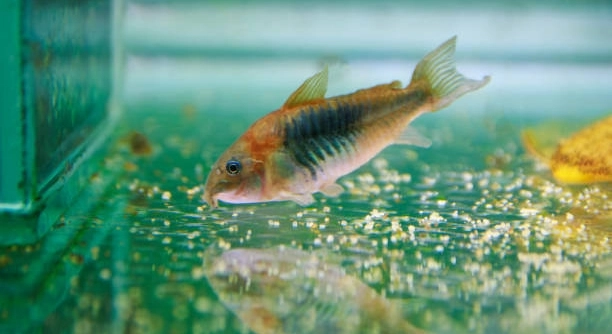
Corydoras catfish are known for their peaceful nature and love for frozen food. However, if your catfish won’t eat it, there may be underlying reasons that are easy to address. Understanding the cause can improve their diet.
Several factors could contribute to your Corydoras catfish avoiding frozen food. It might be related to water temperature, food preparation, or stress levels. Ensuring your fish feels comfortable and providing food at the right temperature can encourage feeding.
By understanding the causes behind this behavior, you can take steps to help your Corydoras catfish eat properly.
Water Temperature and Frozen Food
Corydoras catfish can be sensitive to changes in water temperature. If the water is too cold, they may not be as interested in eating frozen food. Fish often prefer food that is at the right temperature, and if the water is too chilly, they might not feel comfortable enough to feed. This can affect their appetite. Frozen food can also be too cold for their liking, so it’s important to let it thaw slightly before offering it. In colder water, catfish may eat less because their metabolism slows down.
It’s a simple adjustment to make. You can either adjust the aquarium temperature to a more suitable range or let the frozen food thaw a bit before feeding it to your Corydoras.
A temperature between 72°F and 80°F is ideal for Corydoras catfish. Keeping this in mind ensures they stay comfortable and willing to eat. Thawing frozen food will also help make it more palatable and prevent it from feeling too cold for them to eat.
Stress Levels and Eating Habits
Stress is another factor that can affect eating habits. Corydoras catfish are shy creatures and may become stressed from sudden changes in their environment.
If your catfish is stressed, it might avoid eating frozen food. Noise, bright lights, or the presence of other aggressive fish can all contribute to stress. Providing hiding spots and maintaining a calm environment helps reduce stress and encourages eating. Even small disturbances can cause your Corydoras to stop feeding.
Making sure your catfish feels safe and secure is essential for their health. Stress-free fish are more likely to eat their meals, including frozen food.
Food Quality and Preparation
Frozen food can sometimes lose its appeal if it’s not prepared properly. If the food is too old or improperly stored, it may have lost nutrients or flavor, causing your Corydoras catfish to avoid it. Always check the expiry date and store frozen food in an airtight container.
Thawing the food properly is just as important. If you throw frozen food directly into the tank, it may be too cold for your fish to eat. Instead, let it thaw in a separate container with tank water before feeding it to ensure the food is at a more comfortable temperature. It’s also helpful to rinse the food before feeding to remove any preservatives or chemicals that may be harmful.
If the food quality is questionable, Corydoras catfish may simply reject it. Fresh, well-prepared food will attract them to eat and ensure they are getting the proper nutrients.
Competition with Other Fish
Sometimes, your Corydoras catfish won’t eat frozen food because other fish in the tank are more dominant. Aggressive or faster-swimming fish may take the food before your catfish gets a chance to eat.
This issue is particularly common in tanks with species that compete for food. In such cases, the catfish may avoid the frozen food altogether, as they feel they don’t have a chance to eat it. Providing enough food for all the fish in your tank can help reduce competition and ensure everyone gets a share. You can also try feeding the Corydoras separately, away from more aggressive fish.
Consider breaking the food into smaller portions and feeding it in different areas of the tank. This gives your catfish a better chance to eat without competition.
Size and Type of Frozen Food
The size and type of frozen food can also impact whether your Corydoras catfish will eat it. If the pieces are too large, they may be difficult for your catfish to consume.
Try chopping the food into smaller pieces that are easier for your fish to handle. Also, some Corydoras may prefer certain types of frozen food over others, such as bloodworms or daphnia. Offering a variety of frozen options can help find the right one for your fish.
Overfeeding and Food Spoilage
Overfeeding can cause your Corydoras catfish to lose interest in food. If they are already full, they might not be motivated to eat frozen food.
Feeding your fish the right amount is key. Overfeeding can also lead to food spoilage, which may make your catfish less likely to eat. Be mindful of how much food is offered and ensure that it is fresh when fed to the fish.
Health and Illness
A sick Corydoras catfish may stop eating frozen food. If your fish is not feeling well, its appetite may decrease or disappear altogether.
Common health issues, such as parasites or stress, can lead to a loss of appetite. If you notice any signs of illness, such as lethargy or abnormal behavior, it’s essential to address the issue quickly. Seek professional advice if necessary to ensure your catfish’s health.
FAQ
Why isn’t my Corydoras catfish eating frozen food?
There are several reasons your Corydoras catfish might avoid frozen food. The water temperature could be too cold for them, making it uncomfortable to eat. Also, frozen food might not be properly thawed or of good quality. It’s essential to provide food at the right temperature, ensure it’s fresh, and consider the type of food your catfish prefers. Stress and tank conditions, like the presence of dominant fish, can also discourage them from eating. Pay attention to these factors to help encourage eating habits.
Can I feed my Corydoras catfish frozen food every day?
Feeding frozen food every day is generally fine for Corydoras, but it should not be the only type of food they get. A varied diet that includes live or freeze-dried options can help provide a range of nutrients. Overfeeding frozen food can lead to imbalances in their diet and potentially cause issues like constipation. You should aim to offer a balanced mix to keep your fish healthy.
What type of frozen food is best for Corydoras catfish?
Corydoras catfish enjoy a variety of frozen foods, but their preferences can vary. Popular options include bloodworms, brine shrimp, daphnia, and mysis shrimp. It’s important to offer a variety to see which your fish prefer. Some catfish may also enjoy small pieces of frozen vegetables, such as peas or spinach, that are softened before feeding.
How do I thaw frozen food for my Corydoras catfish?
To thaw frozen food for your Corydoras catfish, simply place it in a small container with tank water for a few minutes before feeding. Thawing food in this way ensures it is at a comfortable temperature for your fish and doesn’t drop the water temperature too much. Avoid thawing food in warm water, as this could damage its nutrients.
Should I rinse the frozen food before feeding it to my Corydoras?
Yes, it’s a good idea to rinse frozen food before feeding it to your Corydoras catfish. This helps remove any preservatives or chemicals that might be used in the food’s preservation process. Simply rinse the food in water from the aquarium to ensure it’s free from any unwanted additives.
Can Corydoras catfish eat frozen vegetables?
Corydoras catfish can eat frozen vegetables like peas or spinach, but they should be softened first. Blanching or thawing the vegetables and then cutting them into smaller pieces will make it easier for your catfish to consume. Vegetables provide fiber and nutrients, contributing to a healthy diet for your fish.
Why won’t my Corydoras catfish eat frozen bloodworms?
If your Corydoras is not eating frozen bloodworms, there might be a few reasons. The food might be too large or cold for them, or they may not be particularly fond of bloodworms. Try offering smaller portions, thawing the food, or offering a different type of frozen food, such as brine shrimp or daphnia.
Can Corydoras catfish eat freeze-dried food instead of frozen food?
Corydoras can eat freeze-dried food, but it should not replace frozen food entirely. Freeze-dried foods, while convenient, often lack the moisture and some nutrients that frozen foods provide. You can offer freeze-dried options as a supplement, but it’s essential to include frozen or live food for a balanced diet.
How can I encourage my Corydoras catfish to eat frozen food?
If your Corydoras catfish is reluctant to eat frozen food, try offering it at different times of day, ensuring it’s thawed properly, and experimenting with different types of food. You might also want to ensure the tank is calm and stress-free, with no other fish competing aggressively for food. If they continue to refuse, consider feeding them in a separate area to reduce distractions.
How often should I feed my Corydoras catfish frozen food?
Feed your Corydoras catfish frozen food about two to three times a week, depending on their size, activity level, and overall diet. It’s important to maintain variety in their food sources to prevent them from becoming too reliant on one type of food. Always monitor their weight and behavior to ensure they’re getting the right amount of food.
Can Corydoras catfish eat too much frozen food?
Yes, like all fish, Corydoras can overeat if given too much food. Overfeeding can lead to excess waste in the tank and health issues for your fish, like obesity or digestive problems. It’s best to offer food in small portions that they can consume in a few minutes. If any food is left over, remove it to avoid fouling the water.
Is it okay to mix frozen food with other types of food for Corydoras?
Yes, mixing frozen food with other types of food, such as pellets or live food, can provide a well-rounded diet for your Corydoras catfish. Mixing ensures they get a variety of nutrients and prevents boredom with their meals. Just be sure to feed them in moderation to avoid overfeeding.
Final Thoughts
Corydoras catfish are generally easy to care for, but they can sometimes be picky eaters when it comes to frozen food. Understanding the reasons behind their behavior can help you address any issues. Factors like water temperature, food quality, and even competition with other fish can impact their eating habits. By making sure the frozen food is at the right temperature, offering a variety of food options, and reducing stress in the tank, you can help encourage your Corydoras to eat.
Providing a balanced diet is key to your catfish’s overall health. Frozen food can be a great addition, but it should not be the only food you provide. Mixing in live or freeze-dried food gives them the variety they need for a complete diet. Regularly observing your fish’s eating habits will help you identify any issues early on. If you notice your catfish isn’t eating, try to figure out the root cause and adjust their diet or tank conditions accordingly.
In the end, patience is important when it comes to feeding Corydoras catfish. These fish have their own preferences, and it may take time to figure out what works best for them. Whether it’s adjusting the food preparation, reducing tank stress, or offering a different type of frozen food, small changes can make a big difference in helping your Corydoras thrive.

Hello,
If you enjoy the content that we create, please consider saying a "Thank You!" by leaving a tip.
Every little bit helps us continue crafting quality advice that supports the health, happiness, and well-being of pets around the world, for pets of all shapes, sizes, and species.
We really appreciate the kindness and support that you show us!